
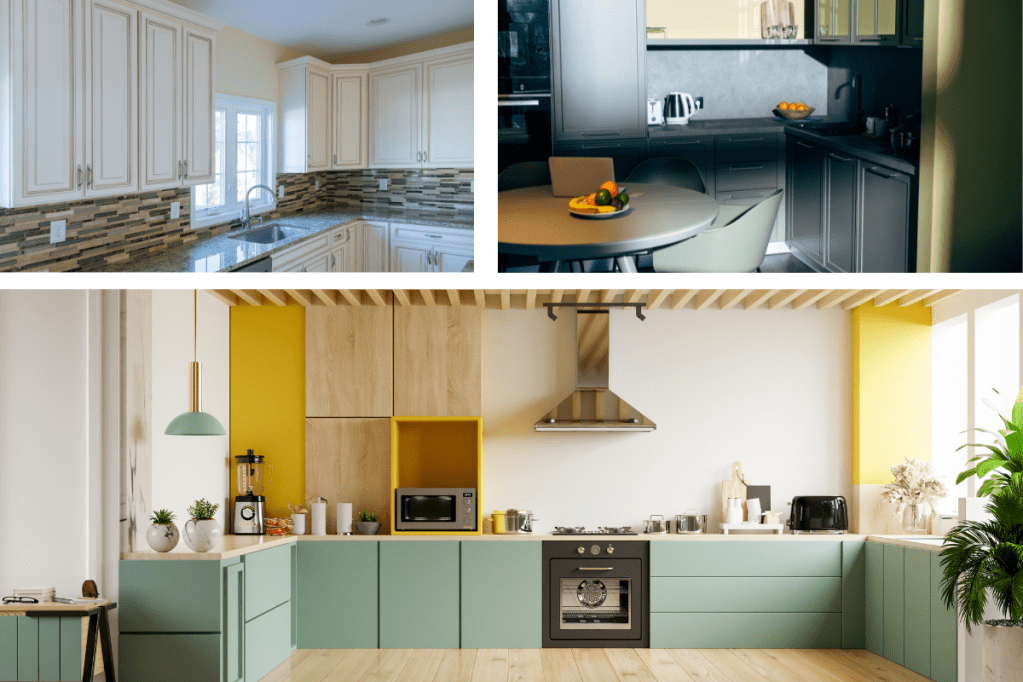
Revamp your hotel’s culinary experience with bespoke kitchen furniture. Our artisanal designs ensure aesthetic appeal and functionality. Elevate your space today.
Sleek and Modern Designs for Hotel Kitchen Furniture
Sleek, modern hotel kitchen furniture is growing in popularity. These ideas enhance meals by being attractive and efficient. Clean lines, simple forms, and a neutral color palette make a modern kitchen design stand out. Smart appliances and touchless faucets contribute to these designs’ modernity.
Consider the materials used in hotel kitchen furniture design to obtain a clean and modern look. Stainless steel, glass, and high-quality laminates are employed in modern kitchen design. In a hotel kitchen, durability and simple maintenance are vital, and these materials increase the space’s visual appeal. Moreover, simplistic decor and clutter-free interiors give an open, breezy sense that can soothe guests.
Lighting is important when designing a modern kitchen. The use of carefully positioned lighting fixtures, such as pendant lights or under-cabinet lighting, may create a warm and inviting atmosphere while showcasing the space’s design aspects. Natural light from skylights or wide windows may further brighten the room.
Finally, elegant and modern hotel kitchen furniture may enhance visitors’ eating experience. By concentrating on materials, lighting, and clutter-free places, hotels may create a practical and attractive setting.
The Importance of Ergonomics in Hotel Kitchen Furniture Design
Ergonomics is essential in hotel kitchen furniture design. Ergonomics creates a safe and comfortable workplace for employees. In a hotel kitchen, where chefs and other personnel spend a lot of time on their feet, ergonomic solutions can prevent damage and improve health.
Human body motions are an important part of ergonomic design. For instance, constructing work tables at the right height and angle helps decrease chef back and shoulder strain. Adjustable chairs and footrests can also enhance posture and lessen the chance of long-term harm.
Ergonomics are also important in kitchen equipment design. Lightweight cookware and ergonomically constructed equipment help avoid repeated strain injuries. Staff health and kitchen productivity benefit from this.
Ergonomics may also improve guest pleasure in hotel kitchen furniture design. A kitchen built for employee comfort can increase food quality and uniformity. A well-organized, easy-to-navigate kitchen may also speed up service and improve visitors’ eating experience.
Ergonomics are crucial in hotel kitchen furniture design. Hoteliers may boost productivity, efficiency, health, and client pleasure by providing a secure and comfortable workplace for personnel.
Sustainable and Eco-Friendly Materials for Hotel Kitchen Furniture
The application of eco-friendliness and sustainability in the hospitality industry, particularly in the hotel kitchen furniture, is increasingly irrelevant. The use of materials like bamboo, recycled plastic, and reclaimed wood provides several benefits.
Bamboo is a widely used sustainable material because of its fast growth, strength, and beauty. It can be employed in manufacturing boards, veneers, and other materials for flooring, countertops, and cabinets in hotel kitchens. Bamboo furniture is uncomplicated to clean, and its eco-friendly features make it a perfect option for hotel owners who want to reduce their environmental impact.
Recycled plastic is another eco-friendly material that is commonly used in hotel kitchen furniture. This material is made from plastic bottles and containers, and it is impervious to moisture and other forms of damage. Recycled plastic furniture is straightforward to clean and maintain, which makes it an excellent choice for busy hotel kitchens.
Reclaimed wood is a third sustainable material that is often used in hotel kitchen furniture. This type of wood is sourced from old barns, buildings, and other structures, which gives it a unique character and history. Reclaimed wood is a sustainable choice because it reduces the need for new lumber, and it can be used for cabinets, flooring, and countertops in hotel kitchens.
In conclusion, the utilization of sustainable materials in hotel kitchen furniture has many advantages. By selecting eco-friendly materials like bamboo, recycled plastic, and reclaimed wood, hotel owners can decrease their environmental impact while also constructing functional and beautiful spaces for their guests.
The Role of Technology in Hotel Kitchen Furniture Design
In hotel kitchens, every minute counts, therefore efficiency is essential. By meeting unique demands, customized hotel kitchen equipment may boost productivity.
Modular designs can boost efficiency in bespoke hotel kitchen furnishings. Modular designs are adaptable to individual locations and demands. For instance, modular cabinets may be designed to match certain appliances and enhance storage space and performance.
Ergonomics can also improve hotel kitchen efficiency. Ergonomics, the study of human-environment interaction, is essential for building pleasant and productive workspaces. Adjustable countertops and cabinets at the proper height and distance may be made into customized kitchen furniture.
Smart technology is a third technique to improve efficiency with bespoke hotel kitchen furnishings. Cooking, cleaning, and maintenance may be made easier using smart technologies like sensors and automation. Customized kitchen furniture can include smart technology like built-in sensors that detect food readiness or automatic cleaning systems that eliminate human cleaning.
Conclusion
Cleanliness, modern aesthetics, and ergonomics should guide hotel kitchen furniture design. This will improve productivity by providing a safe and comfortable workplace for employees and a pleasant dining experience for customers.
Sustainability and eco-friendliness are also increasingly important in hotel kitchen equipment design. Bamboo, recycled plastic, and reclaimed wood can create a unique, environmentally friendly design.
The kitchen can be more efficient with modular, ergonomic, and smart furniture. These features allow hotel operators to create a productive and eco-friendly kitchen. Sustainability and efficiency in hotel kitchen furniture design can create a pleasant dining experience for guests and a safe, comfortable workplace for staff.
Modular kitchen furniture makes it easier to adapt to changing needs and different cooking styles. This is especially useful in hotel kitchens, where menus and guest requests vary daily.
Hotel kitchen equipment can use smart technology to improve efficiency and save energy. Automated inventory systems and energy-efficient appliances and lighting can reduce food waste and electricity use.
Proper ventilation is another hotel kitchen design consideration. A well-designed ventilation system can improve air quality, reduce odors, and prevent grease and other contaminants from accumulating. This helps prevent fires and creates a healthier workplace.
By prioritizing clean, modern designs, ergonomics, sustainability, and efficiency, hoteliers can create a beautiful and functional kitchen. This can improve guests’ dining experience and employees’ working conditions, boosting the hotel’s success.
 Hey Singapore