
In recent years, the use of air purifiers to enhance indoor air quality in households and workplaces has grown significantly. Nevertheless, there are so many various kinds of air purifiers on the market that it can be challenging to determine which ones are worthwhile investments and which ones are just a waste of money. We shall examine the issue of “Do air purifiers work?” in this post and offer you a thorough explanation of air purifiers.
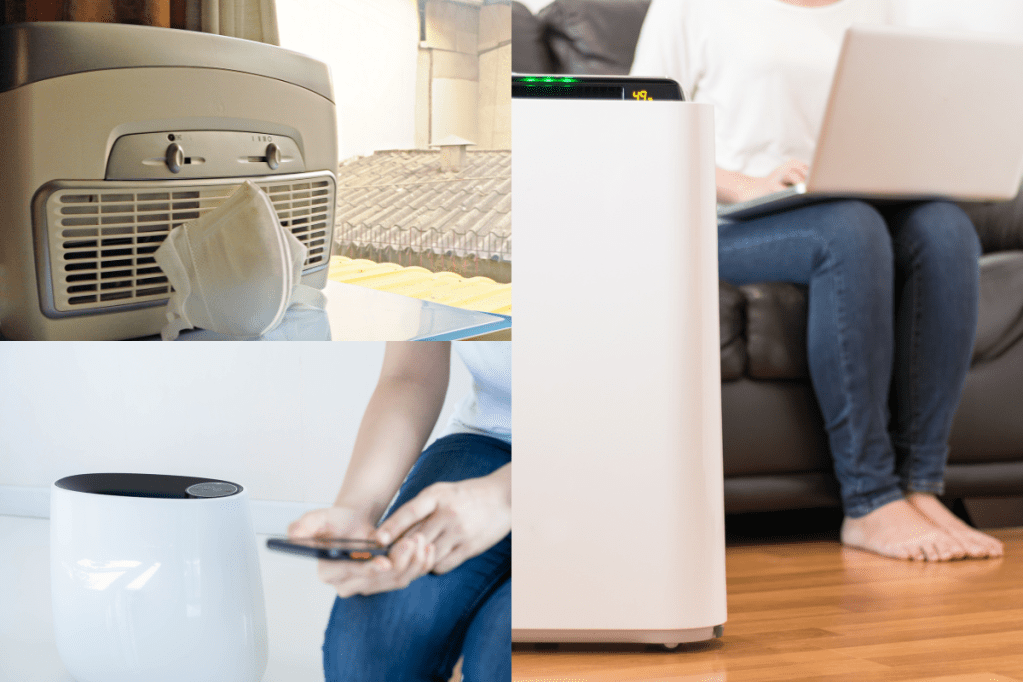
What does a purifier do?
A tool used to remove toxins and other impurities from the air is known as an air purifier. They are frequently used to enhance indoor air quality and lower the risk of respiratory problems in homes, offices, and other indoor settings.
How do air cleaners function?
Several technologies are used by air purifiers to catch and remove airborne contaminants. These technologies include ionizers, UV-C light, activated carbon filters, and HEPA filters. The most popular form of air purifier filter is the HEPA filter, which is very good at catching particles as small as 0.3 microns.
What varieties of air purifiers are offered?
There are numerous types of air purifiers on the market, each with a distinctive method for detecting and eliminating airborne contaminants. The most typical types of air purifiers are as follows:
The HEPA filter
The most widely used brand of air purifiers on the market today uses HEPA (High-Efficiency Particulate Air) filters. To capture and trap particles as fine as 0.3 microns, such as dust, pollen, and pet dander, these filters employ a tight mesh of fibers.
Filters with Activated Carbon
The way that activated carbon filters function is by absorbing and trapping airborne contaminants and odors. These filters are frequently used to purge the air of smoke, volatile organic compounds (VOCs), and other dangerous substances.
A UV-C light
UV-C light air purifiers eliminate bacteria, viruses, and other microbes in the air by using ultraviolet light. These air purifiers are very good at stopping the transmission of airborne diseases and raising air quality in general.
Ionizers
Ionizers function by releasing ions into the air that are negatively charged, which attract positively charged particles like dust, pollen, and pet dander. When the particles weigh too much to stay in the air, they fall to the ground and are then simple to vacuum up.
Do air purifiers eliminate airborne allergens?
Indeed, air purifiers may successfully remove allergens from the air, including pollen, dust mites, and pet dander. These kinds of particles are very well captured by HEPA filters, which can lessen allergy symptoms.
Do air purifiers eliminate airborne contaminants?
Indeed, air purifiers may successfully eliminate airborne pollutants like smoking, volatile organic compounds (VOCs), and other dangerous chemicals. These kinds of contaminants can be effectively captured by activated carbon filters, which can enhance the general quality of the air.
Do air purifiers eliminate bacteria and viruses from the air?
Indeed, air purifiers may successfully eliminate bacteria and viruses from the air. Ionizers and UV-C light are excellent at eliminating germs and viruses, while HEPA filters can trap these particles and stop them from recirculating in the air.
Do air purifiers get rid of smells in the air?
Indeed, air purifiers are able to successfully remove scents from the air. Filters made of activated carbon are excellent at removing odors and can assist to raise the standard of the air in a room.
What advantages can air purifiers offer?
One advantage of utilizing an air purifier is that:
Better Air Quality
By removing pollutants and other impurities from the air, air purifiers can enhance overall air quality and lower the likelihood of respiratory problems.
Allergic Remedy
Pollen, dust mites, and pet dander are just a few of the allergens that air purifiers are excellent at removing from the air, which can help to lessen allergy symptoms.
Lower Chance of Sickness
By efficiently removing viruses and germs from the air, air purifiers can lower the risk of illness and enhance general health.
Getting Rid of Odors
By efficiently removing scents from the air, air purifiers can enhance the overall comfort of the home environment.
Do air purifiers make sense?
Many variables, such as the user’s particular requirements and the type of air purifier being used, will determine whether or not air purifiers are worthwhile. Air purifiers can be quite helpful for persons with allergies or respiratory problems and might be a good investment. Yet, the advantages of utilizing an air purifier may not exceed the cost for those without special health issues.
Considerations for Selecting an Air Purifier
There are a number of things to take into account while selecting an air purifier, including:
Room Dimensions
When choosing an air purifier, an essential factor to contemplate is the area’s magnitude in which it will operate. It is crucial to select an air purifier that matches the size of the room, as air purifiers are intended to operate within specific room dimensions.
Species of Filter
Another crucial aspect to take into account is the type of filter that the air purifier uses. While activated carbon filters are highly good at removing odors and dangerous compounds, HEPA filters are highly effective at catching particles as small as 0.3 microns.
Another crucial consideration is the air purifier’s noise level, particularly if it will be utilized in a bedroom or other peaceful area. It’s crucial to select an air purifier that is quiet enough to use comfortably because some of them can be rather loud.
Energy Savings
An essential consideration is the air purifier’s energy efficiency. Certain air purifiers might use a lot of energy, which could lead to higher electricity costs.
Conclusion
Air purifiers hold tremendous potential in obliterating toxins, allergies, and sundry airborne contaminants. The distinctive benefits of an air purifier are contingent upon the user’s requisites and the variant of air purifier employed. Therefore, to ensure the air purifier is efficacious and serviceable to your requirements, it is indispensable to contemplate facets such as room dimensions, filter classification, decibel level, and energy efficiency whilst selecting one.
FAQs
Do air purifiers remove mold from the air effectively?
Absolutely, especially if they use HEPA filters, air purifiers can be successful at removing mold from the air.
Do air purifiers work to treat asthma?
Indeed, by eliminating allergens and other irritants from the air, air purifiers can help persons with asthma.
How frequently should filters for air purifiers be changed?
The replacement frequency of filters hinges on the type of filter employed and the level of air contamination in the milieu. The ideal timeframe for replacing HEPA filters is generally every 6 to 12 months, whereas activated carbon filters should be substituted every 3 to 6 months.
Do air cleaners make noise?
Specific air purifiers, notably those equipped with substantial fans, can generate considerable noise. Nevertheless, a plethora of air purifiers on the market today are fashioned to be tranquil and unassuming.
 Hey Singapore