
Create a unique and comfortable atmosphere with expert tips on room design. Discover how to optimize lighting, furniture placement, colour psychology, and design for different purposes.
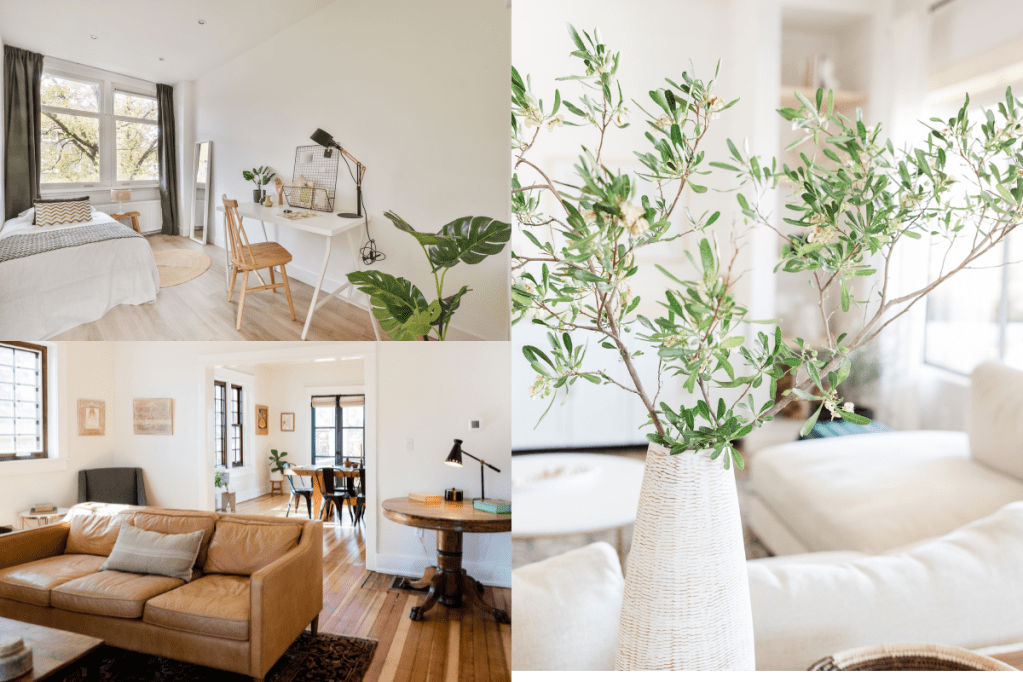
Home Office Design: Creating a Productive and Comfortable Workspace
Since more individuals work from home, it’s crucial to build a productive and comfortable home office. The correct home office design can help you stay focused, organized, and inspired during the workplace. Consider ergonomic design, proper lighting, and individual decor to create a setting that matches your taste and promotes job efficiency.
Ergonomic design can improve posture, avoid accidents, and boost productivity in a home office. Repetitive stress injuries and back, neck, and eye strain can be reduced with the correct office chair, desk, and computer configuration. To improve posture and lessen pain, get an ergonomic chair, a height-adjustable desk, and a display that can be positioned at eye level.
Lighting affects productivity and comfort in home offices. Appropriate lighting can reduce eye strain and fatigue and create a more welcoming and invigorating ambiance. To create a well-lit workspace, use task, ambient, and natural light.
A productive and comfortable home office can also be decorated with personal items. Adding artwork, plants, or family photos to your workstation can make it more attractive and motivating. Consider adding decor that reflects your personality and interests to help you stay motivated and focused at work.
Bedroom Design: Balancing Style and Comfort for a Restful Night’s Sleep
Designing your bedroom can improve your sleep. A well-designed bedroom should mix style and comfort to create a calm and revitalizing atmosphere. To create a restful setting, use comfortable bedding, good lighting, and soothing colors.
Comfy bedding is an important bedroom design element that can improve sleep. A comfortable night’s sleep requires a good mattress, pillows, and sheets. Hypoallergenic, cooling, or hard bedding may suit your sleep habits and preferences.
Lighting is another important bedroom design element that affects sleep. Sufficient illumination can help you wind down before bedtime and create a pleasant ambience. To create a well-lit and balanced bedroom, use dimmer switches, task lighting, and ambient lighting.
Color psychology can help make a bedroom relaxing and restorative. Relaxing colors like blue, green, and lavender alleviate stress. To create a peaceful bedroom, choose relaxing colors in your bedding, drapes, or accent walls.
Kitchen Design: Creating a Functional and Aesthetically Pleasing Cooking Space
The kitchen is the center of the home, and its design should mix functionality and aesthetics to create an efficient and attractive cooking room. Consider ergonomic design, adequate storage, and durable materials to create an useful and beautiful kitchen.
Ergonomic kitchen design makes cooking and cleaning easier. The appropriate height for counters, sinks, and appliances reduces back and neck strain and injury risk. Creating a work triangle between the sink, stove, and refrigerator is an ergonomic kitchen design idea.
Storage is another important kitchen design element that reduces clutter and boosts productivity. The appropriate cabinets, drawers, and pantry can help you organize and manage your kitchen. Custom storage options like pull-out shelves, lazy susans, and built-in garbage cans can maximize space.
Sturdy materials for kitchen design are also significant. To ensure your kitchen can handle daily use and spills, use granite or quartz countertops, hardwood or tile floors, and stainless steel equipment.
Living Room Design: Tips for Entertaining and Relaxation
To create an inviting and effective living room, design should balance comfort and style. To create an adaptable living room, include comfortable seating, enough lighting, and versatile design.
Living room design should have comfortable chairs to make guests feel at home and relax. When watching TV, reading, or socializing, the correct sofa, armchair, or recliner can provide the ideal support and comfort. Choose leather or upholstered seating for style and comfort.
Sufficient lighting is another important living room design element that affects atmosphere and functionality. Your decor and artwork can be highlighted with the correct lighting. To create a well-lit and balanced living space, use ambient, task, and accent lighting.
Diverse decor helps you generate several moods and styles in your living space. Try adding toss cushions, area rugs, or curtains that may be readily replaced. This will update your living space without changing your furnishings or arrangement.
Bathroom Design: Creating a Spa-Like Atmosphere in Your Own Home
Design: Kitchen
The kitchen is the center of the home, and its design should mix functionality and aesthetics to create an efficient and attractive cooking room. Consider ergonomic design, adequate storage, and durable materials to create an useful and beautiful kitchen.
Ergonomic kitchen design makes cooking and cleaning easier. The appropriate height for counters, sinks, and appliances reduces back and neck strain and injury risk. Creating a work triangle between the sink, stove, and refrigerator is an ergonomic kitchen design idea.
Storage is another important kitchen design element that reduces clutter and boosts productivity. The appropriate cabinets, drawers, and pantry can help you organize and manage your kitchen. Custom storage options like pull-out shelves, lazy susans, and built-in garbage cans can maximize space.
Sturdy materials for kitchen design are also significant. To ensure your kitchen can handle daily use and spills, use granite or quartz countertops, hardwood or tile floors, and stainless steel equipment.
Bathroom Design: Making Your Own Spa Environment
Home spas can be created with a well-designed bathroom. A luxury bathtub, soft lighting, and tranquil decor may make a relaxing bathroom.
Luxury bathtubs are essential to spa-like bathrooms. A deep soaking tub, jacuzzi, or freestanding tub can be a bathroom main point. Your bathtub can be more relaxing with bath salts, bubble bath, or essential oils.
Another important element of spa-like bathroom decor is soothing lighting. Warm, warm lighting can calm and relax. Dimmer switches, candles, and pendant lights may make a well-lit bathroom.
Creating a spa-like bathroom requires calming design. For a peaceful, earthy ambiance, use natural materials like wood or stone. Plants, artwork, and aromatherapy diffusers can also soothe and improve the atmosphere.
Conclusion
In conclusion, establishing a home office or bedroom that fosters productivity and comfort involves attention to detail and thorough consideration of your own needs and preferences. Ergonomic design, enough lighting, individualized decor, comfortable bedding, optimal lighting, and soothing colors can help create a setting that encourages rest, relaxation, and peak performance. Also, building a kitchen or living area that blends functionality and style demands careful consideration of your needs, tastes, and lifestyle. Integrating ergonomic design, abundant storage, durable materials, comfortable seating, adequate lighting, and changeable decor can help you create a place that expresses your individuality and improves your everyday activities. To conclude, building a kitchen or bathroom that blends functionality and aesthetic demands attention to detail and careful consideration of your own needs and tastes. Ergonomic design, adequate storage, durable materials, luxury bathtubs, soothing lighting, and peaceful decor can help create an environment that fosters rest, relaxation, and optimal performance.
 Hey Singapore