
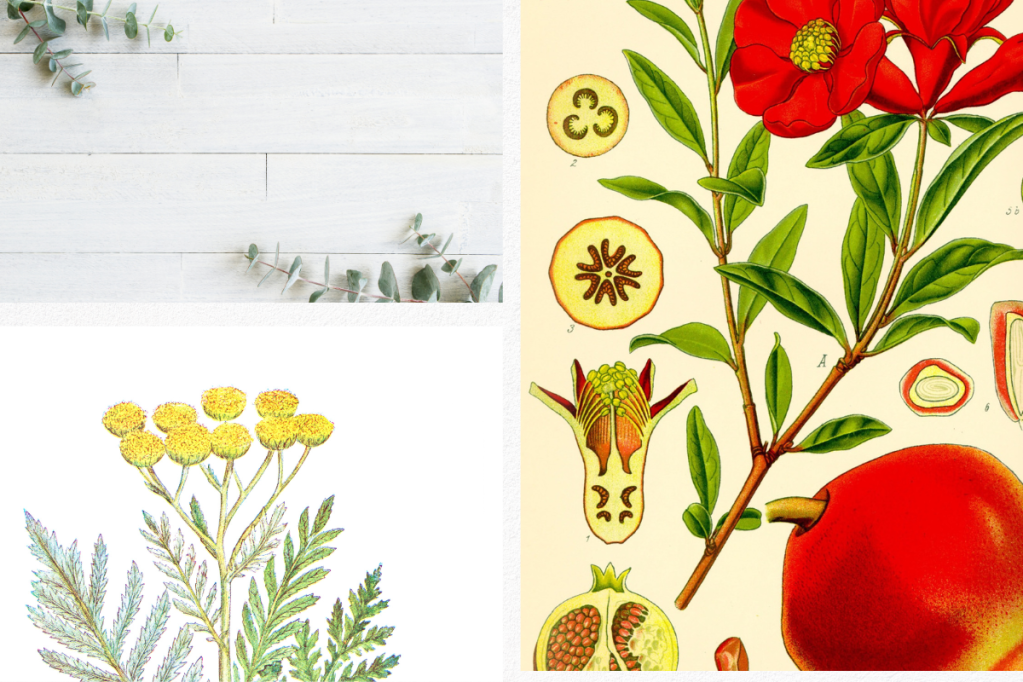
The longstanding tradition of botanical illustration is a celebrated art form that transcends the conventional bounds of aesthetics. The rigorous commitment and ardor of its practitioners have engendered a scientific discipline that exudes the essence of plant life in an unparalleled manner, superseding the limitations of mere photography. The medium encompasses a vast array of techniques, ranging from the deft strokes of quill and ink to the vivid hues of watercolor and the sophistication of digital artistry, all of which accentuate the intricate and heterogeneous aspects of the natural world. By amalgamating beauty with scientific precision, botanical illustration has metamorphosed into an indispensable tool in the realm of scientific inquiry, augmenting our knowledge of plant morphology, physiology, and ecology. Moreover, it has infiltrated the contemporary landscape of art and design, where its timeless refinement and undeniable charm continue to inspire successive waves of artists and patrons alike.
The Importance of Botanical Illustration in Science
Botanical illustration has emerged as a fundamental element in scientific research and discovery. The essence of its value lies in its ability to produce faithful depictions of plants and flowers, which contribute to their identification, classification, and documentation. The complex and visually captivating nature of botanical illustrations has proven to be a valuable asset to researchers, educators, and enthusiasts alike.
The creation of botanical illustrations demands a high level of scientific accuracy, necessitating a profound understanding of plant morphology, anatomy, and physiology. Such detail is crucial for scientists seeking to classify plant species, study their physical characteristics and environments, and develop new medicines based on their properties.
In contrast to other mediums, such as photography, botanical illustrations can convey intricate and minute details of plants with great precision. Photographs may fail to capture the nuances of plant life that artists can render, such as the texture of leaves or the patterns of veins. Such exactitude is especially pertinent in scientific research where even the slightest variation can have substantial implications.
Apart from their scientific significance, botanical illustrations carry cultural and historical relevance. Artists throughout history have employed botanical illustrations to document plant life and its relevance to medicine, agriculture, and culture. The beauty and intricacy of botanical illustrations have also made them an appealing subject for art and design, inspiring contemporary artists to draw inspiration from this enduring art form.
Botanical illustrations are not limited to traditional mediums such as watercolors and pencil drawings. With the advent of digital tools, artists can create detailed botanical illustrations with tremendous accuracy and precision. Digital illustrations can be used to develop interactive field guides, educational materials, and virtual reality experiences, providing an invaluable resource for scientific research and education.
Contemporary Botanical Illustration
Contemporary botanical illustration has metamorphosed into an art form that amalgamates the timeless techniques of botanical illustration with cutting-edge design concepts and technological innovations. This artistic fusion has spawned a new crop of botanical artists who are reshaping the frontiers of this field and advancing its boundaries.
The hallmark of contemporary botanical illustration is its emphasis on creativity and experimentation. While classical botanical illustrations pursue verisimilitude, modern artists frequently venture into uncharted territory by exploring novel methods, media, and styles to create aesthetically captivating and distinctive pieces. From watercolor and gouache to digital artistry, contemporary botanical illustrations showcase a diverse array of techniques that enable artists to craft an eclectic range of styles.
A crucial component of contemporary botanical illustration is its role in raising awareness of environmental issues. Many contemporary artists leverage their craft to highlight the importance of plant conservation and sustainability, spotlighting the impact of human activities on the natural world. By harnessing botanical illustration to produce visually stunning depictions of endangered plant species or to explore the consequences of climate change on vegetation, modern artists can convey important messages in a compelling and evocative manner.
Technology has catalyzed a revolution in contemporary botanical illustration. With the advent of digital tools and software, artists can fashion intricate and lifelike renditions of plants and flowers that were once beyond the purview of traditional techniques. This technological breakthrough has opened up new vistas for scientific research and education, empowering researchers and educators to develop immersive and interactive experiences that animate the wonders of the natural world.
Beyond its scientific and environmental significance, contemporary botanical illustration has gained a distinct standing as an art form in its own right. With exhibitions, contests, and publications dedicated to modern botanical art, artists are garnering more recognition and admiration for their work beyond scientific and educational domains. Contemporary botanical illustrations adorn galleries, museums, and private collections, underscoring the wide appeal and enduring value of this art form.
How to Create Botanical Illustrations
The creation of botanical illustrations is a sublime and fulfilling form of artistic expression, where precision and creative flair combine harmoniously. Regardless of your artistic proficiency, there are several crucial stages to producing botanical illustrations that are both true-to-life and visually stunning.
The initial step in botanical illustration is selecting the subject matter. The realm of botanical illustration is extensive, encompassing plants of varying complexity, from simple leaves and flowers to intricate trees and shrubs. Selecting an appropriate subject involves analyzing its shape, size, texture, and hues. Choosing a plant with unique characteristics or features can elevate the illustration’s artistic value.
Observation is vital in botanical illustration. Precise rendering and attention to detail require a thorough inspection of the plant. Carefully examine its shape, texture, and color, and record any distinguishing features. Employing a magnifying glass to scrutinize finer details is recommended.
The subsequent step is sketching. Initiate with a rudimentary outline of the plant, outlining its fundamental structure with simplistic shapes and lines. Then, gradually add detail, refining your sketch until it accurately depicts the plant’s appearance.
Choosing appropriate materials is essential in botanical illustration. Although traditional mediums such as watercolors and pencils are favored among botanical artists, digital tools and software can produce realistic and striking illustrations. Your preferred medium should correspond with your artistic style and ability to capture the plant’s unique qualities.
The final stage of botanical illustration requires time and meticulousness. Using light and delicate strokes, build the illustration gradually, paying attention to shadows, highlights, and other details that enhance its artistic quality. The outcome should reflect the plant’s appearance realistically, displaying your creative ingenuity and technical competence.
In conclusion, botanical illustration stands as a timeless and invaluable art form that continuously captures the beauty and intricacy of the natural world. Whether for scientific investigation or artistic expression, botanical illustrations play an essential role in facilitating our comprehension and appreciation of the diversity and complexity of plant life. Through following the aforementioned steps, any individual can acquire the skills necessary to fashion botanical illustrations that are both exact and visually arresting. Therefore, if you harbor a passion for plants and an affection for art, why not experiment with botanical illustration? Through diligence and persistence, you might uncover a novel method of exploring and extolling the marvels of the natural world.
 Hey Singapore