
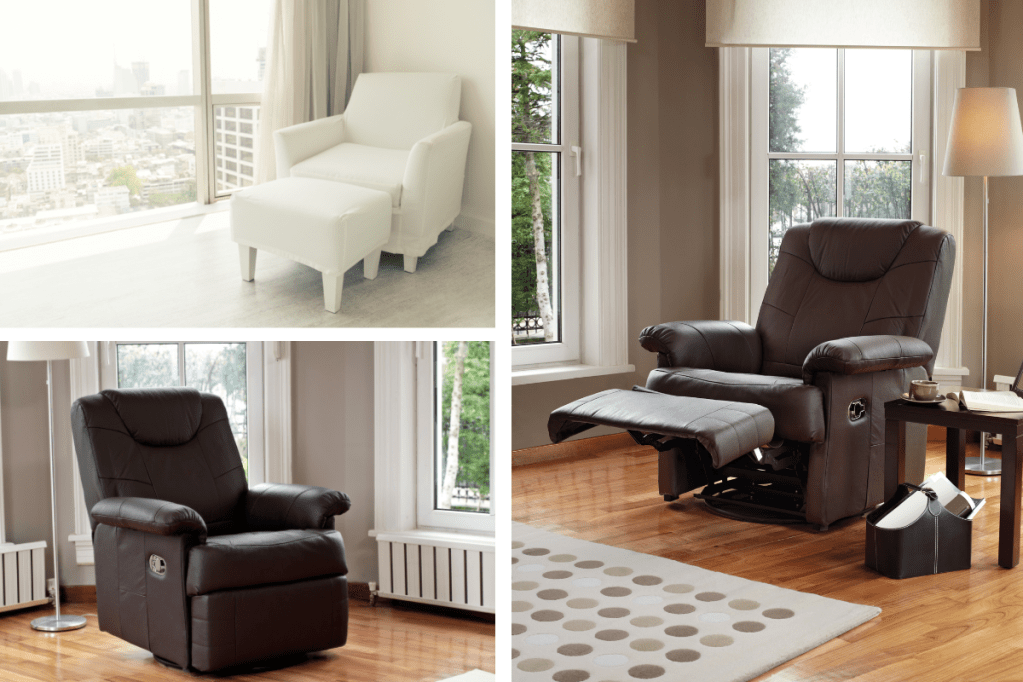
Indulge in opulent relaxation with our sumptuous recliner sofa collection. Experience unrivaled comfort and luxury in a uniquely crafted design.
The Anatomy of a Recliner Sofa: Understanding the Different Parts and Components
Recliner sofas offer style, comfort, and relaxation. To understand how a reclining sofa works, you need to know its pieces. A reclining sofa’s anatomy includes multiple parts that work together to achieve the intended outcome.
The frame is the reclining sofa’s foundation. A solid frame supports the furniture and ensures its endurance. The frame is commonly made of wood and metal, with wood being the most popular. The seating area is supported by the springs, or suspension system. Sinuous, coil, and webbing are the most prevalent suspension systems.
Next is the cushion, which adds comfort. Foam or fibre make up the cushion, with foam being the most prevalent. Depending on the user’s preference, the cushion comes in varying densities and thicknesses. The sofa’s upholstery cloth covers its structure and cushion. Durable, easy-to-clean fabric that matches the interior decor is vital.
The sofa’s recliner mechanism is the last section. Manual, motorized, and pushback recliners are the main mechanisms. Power recliners use an electric motor to recline the chair, while manual recliners use a lever. The pushback recliner reclines by pushing the backrest.
In conclusion, understanding a reclining sofa’s anatomy is essential to buying a quality, functional piece of furniture. A recliner sofa must have a robust structure, trustworthy suspension system, comfortable cushion, lasting upholstery, and a reliable recliner mechanism.
Recliner Sofas 101: Types, Styles and Materials
For comfort, aesthetics, and utility, recliner sofas are popular. Choosing the correct recliner sofa can be stressful with so many varieties, styles, and materials. This guide will help you choose a reclining sofa.
When buying a recliner sofa, the mechanism comes first. The three main recliner mechanisms are manual, motorized, and pushback. For a classic style, a manual recliner is the most economical. A power recliner, on the other hand, costs more but is more comfortable and convenient. Finally, a pushback recliner is a hybrid of manual and motorized and suitable for individuals who seek a compact reclining sofa.
The recliner sofa’s aesthetic is also important. Traditional, contemporary, and transitional are the most popular styles. Traditional recliner sofas are perfect for folks who want classic style. For individuals who desire a statement piece, a contemporary reclining sofa is perfect. A transitional recliner sofa is perfect for individuals who desire a versatile piece of furniture.
Finally, analyze the reclining sofa’s material. Leather is the most preferred recliner couch material because to its longevity and low maintenance. For individuals who wish to add color and character to their living area, fabric recliner couches are a great option.
Choosing the Right Size: Finding the Perfect Fit for Your Space
Furniture size is crucial to creating a functional and stylish space. Finding the right recliner sofa for your space depends on room size, other furniture, and occupant size. Before buying a recliner sofa, measure the room and decide where to put it.
You can choose the right recliner sofa size after measuring the space. A large recliner sofa is ideal for a large living room, while a small one is best for a small space or a room with other furniture. A larger recliner sofa may be more comfortable for taller or larger people.
Another factor is recliner sofa shape. Sectional recliner sofas are great for large spaces because they offer plenty of seating and can be configured. A loveseat recliner is perfect for smaller rooms or extra seating in larger ones. Finally, a single-seater recliner sofa is ideal for a cozy corner or as a standalone piece.
The size of your recliner sofa depends on the room’s size, other furniture, and occupants. You can choose the right sofa size by measuring the room and deciding where to put it. A large recliner sofa is ideal for a large living room, while a small one is best for a small space or a room with other furniture.
Ergonomics and Comfort: Examining the Importance of Support and Cushioning
Comfort and ergonomics are crucial for recliner sofas. Ergonomics is the study of designing furniture to support the body and maximize comfort. Ergonomic recliners support the body and prevent pain.
Ergonomics in recliner sofas depend on support and cushioning. Good posture and lower back support should come from the backrest. For shoulder and neck pain prevention, armrests should be at the right height. Firm but comfortable cushioning is ideal.
Ergonomic recliner mechanisms provide support and cushioning. The sofa’s recline lever or button should be easy to use. Adjustable settings should also be available on the power recliner mechanism.
Recliner sofas need comfort too. A comfortable recliner sofa should be ergonomically designed and made of high-quality materials. Leather is more durable and easier to clean than fabric for recliner sofa upholstery. To avoid sweating and discomfort, upholstery should be breathable.
Maintenance and Care: Tips for Prolonging the Lifespan of Your Recliner Sofa
First, cleaning your reclining sofa periodically can extend its lifespan. Cleaning the sofa regularly removes dirt, dust, and debris, preventing it from wearing out quickly. Clean the sofa’s surface and crevices with a soft brush vacuum. A moist cloth can also remove stubborn upholstery stains. Avoid aggressive detergents and chemicals that can damage fabric or leather.
Place your reclining sofa in a good spot to extend its life. The sofa may fade or crack if placed in bright sunlight or near heat sources like radiators. Instead, put the sofa in a well-ventilated room away from heat and sunlight. If you have pets or youngsters, cover the sofa to avoid spills and scratches.
Recliner sofas need regular mechanical repair to last longer. To maintain the reclining mechanism, springs, and joints, check them regularly. To prevent further damage, fix squeaking or stiffness promptly. Lubricate moving parts with silicone spray or furniture oil.
Finally, large objects on the recliner sofa can damage its frame and structural integrity. To avoid breaking or bending the armrests, don’t sit on them or use them as stepping stools. Avoid putting too much weight on a reclining sofa’s footrest to avoid damaging the mechanism and affecting its recline.
Conclusion
Buying a recliner sofa takes careful consideration of models, styles, and materials. Knowing the sofa’s purpose and your home’s space might assist you choose. Power recliners are more comfortable and economical than manual ones. Traditional, contemporary, and transitional reclining couch types compliment most home decors. Finally, leather and cloth are popular because they are sturdy and easy to keep.
While buying a reclining sofa, consider ergonomics and comfort. A well-designed recliner mechanism makes it easy to operate, while appropriate support and padding avoid discomfort and agony. Comfortable materials and breathable upholstery offer relaxation.
Taking care of your recliner sofa will extend its lifespan and keep it in good condition. Frequent cleaning, placement, mechanical component maintenance, and avoiding heavy objects on the sofa can assist you achieve this. These recommendations can let you enjoy your recliner sofa for years.
 Hey Singapore