
Unleash your creativity with a new interior design for your space. Discover unique styles and trends to transform your home or office.
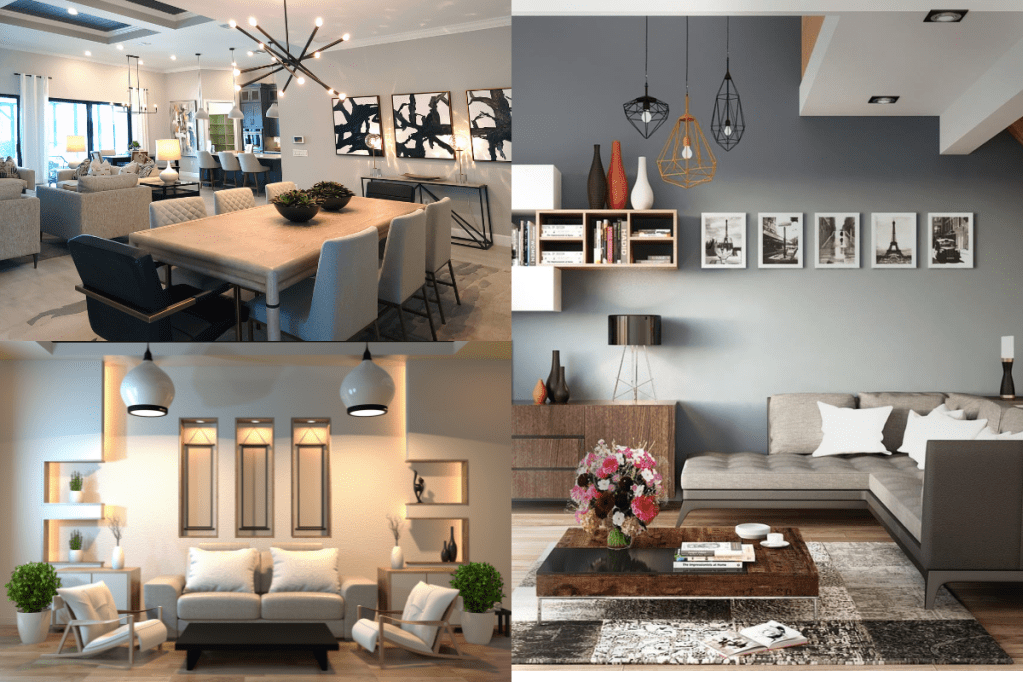
Sustainability in Interior Design: Eco-Friendly Materials and Practices
As individuals grow more environmentally conscious, sustainability has become a major factor in interior design. Eco-friendly products and techniques decrease waste, preserve resources, and provide better living conditions. Eco-friendly materials include bamboo, cork, and repurposed wood. These materials are fashionable, durable, and ecologically responsible, making them ideal for design projects.
In addition to employing eco-friendly materials, sustainable interior design approaches may be used. To limit transportation emissions, use energy-efficient lighting and appliances, non-toxic paints and coatings, and locally produced materials. Green building certifications like LEED or BREEAM may also ensure a project fulfills strict sustainability criteria.
Healthy and environmentally friendly interior design improves well-being. VOCs, which can cause respiratory difficulties, are minimal in many sustainable materials. Using natural, non-toxic materials can improve indoor air quality.
Interior design should incorporate sustainability to create more beautiful, healthy, and eco-friendly places. Designers may create environments that are beautiful and healthy by employing eco-friendly materials and sustainable procedures.
Biophilic Design: Bringing Nature Indoors
Biophilic design is a new interior design method that incorporates nature. This design concept is based on the belief that humans have an intrinsic connection to nature and that adding natural elements into interior design may have substantial health and wellness advantages. Biophilic design is becoming more popular among homeowners and designers as a technique to create visually appealing and practical rooms that promote mental and physical well-being.
Biophilic architecture lowers stress and boosts mental health. Plants, water features, and natural lighting in interior areas can help individuals feel more connected to nature and serene. Biophilic design can promote respiratory health and general well-being by lowering indoor air pollution and improving indoor air quality.
Biophilic design’s adaptability is another benefit. From classic to modern, it may be used in interior design. In fact, many interior designers use biophilic components to create distinctive and appealing interiors. Natural materials, green walls, and indoor gardens are all methods to incorporate biophilic design into any interior space.
Biophilic design in business environments may also boost worker productivity and pleasure. Research have demonstrated that offices with plants and natural sunlight improve employee well-being and productivity. Companies may boost productivity, employee happiness, and retention by establishing a more welcoming workplace.
Minimalism and Simplistic Design: Less is More
As the world grows more complex, more people are opting for a simpler lifestyle, which is mirrored in the rise of minimalism in interior design. Minimalism emphasizes simple, clutter-free settings. Minimalism may be used in any location to create a tranquil, soothing atmosphere.
Minimalism lets you concentrate on what’s important. Eliminating clutter and distractions lets you make a place for the things you enjoy, whether it’s spending time with family and friends, pursuing your interests, or just resting after a hard day. Minimalism may also relieve tension and anxiety by creating a sense of serenity and order.
Less is more in minimalist design. This implies employing a few high-quality, well-designed things rather than tons of clutter and superfluous objects. Minimalism’s neutral colors, natural materials, and basic shapes may provide balance and harmony to your house. Minimalism encourages individuals to spend less and live more simply, which promotes sustainability.
Minimalism may produce a beautiful and practical house. Focusing on minimalism can help you build a peaceful, easy-to-maintain house. Whether you want to build a minimalist living room, bedroom, or home office, there are many resources and ideas to help you. With a little imagination and careful planning, you can turn your house into a beautiful, minimalist haven you’ll love going home to.
Bold Patterns and Colors: Making a Statement with Your Design
Interior design with bold patterns and colors may be enjoyable and engaging. But, incorporating these strong features into home décor might be intimidating for others. Here are some home design suggestions for using strong patterns and colors.
Start by choosing a room focal point, such as a statement wall or distinctive furnishings. You may then base your color and pattern scheme around that main point. If you have a bold-patterned rug, you may use neutral walls and furnishings to compliment it without dominating it.
Consider your room’s vibe while picking patterns and colors. Use subdued colors and delicate patterns for a soothing ambiance. Yet, vivid colors and patterns will create a more active and exciting setting.
Pattern scale is also essential. In a tiny room, huge, strong designs might be intimidating, so employ smaller, more detailed patterns instead. Larger designs and stronger colors work well in larger spaces.
Lastly, blend patterns and colors to create a distinctive style. Simply pick complementary designs and colors.
Overall, strong patterns and colors in interior design may be enjoyable and innovative. With enough preparation and attention, you can design a room that represents your style and personality.
Multifunctional Furniture: Design Meets Functionality
As modern living spaces shrink, homeowners are constantly looking for ways to make their interiors more functional without sacrificing style. Multifunctional furniture is a smart way to maximize space and add style to any home.
Multifunctional furniture adds adaptability to a place. It can be sofa beds, storage ottomans, folding tables, or convertible desks. It simplifies and declutters your house while saving space.
Sofa beds are popular multipurpose furniture. It can be a sofa or a bed. However, storage ottomans serve as seating and storage. They’re comfortable seats and storage for books, magazines, and blankets.
Another popular choice is the foldable table, which may be utilized as a workstation, dining table, or kitchen area. For individuals with small flats or who frequently entertain but don’t have room for a dining table, this furniture is ideal.
Multifunctional furniture can fit any interior style because it comes in many styles, materials, and colors. There’s a versatile item for every style, from minimalist to industrial to eclectic.
Conclusion
Finally, interior design is always changing with new trends and ideas. Interior designers now prioritize sustainability and use eco-friendly materials. Biophilic design, which brings nature indoors and promotes wellness and relaxation, is also growing in popularity. Minimalism and simple design remain popular due to their timeless elegance. Bold patterns and colors are also making a statement in interior design, adding personality and flair to any space. Finally, multifunctional furniture is becoming more popular as design meets functionality to maximize space. Sustainability, functionality, and creativity remain at the forefront of interior design trends.
 Hey Singapore