
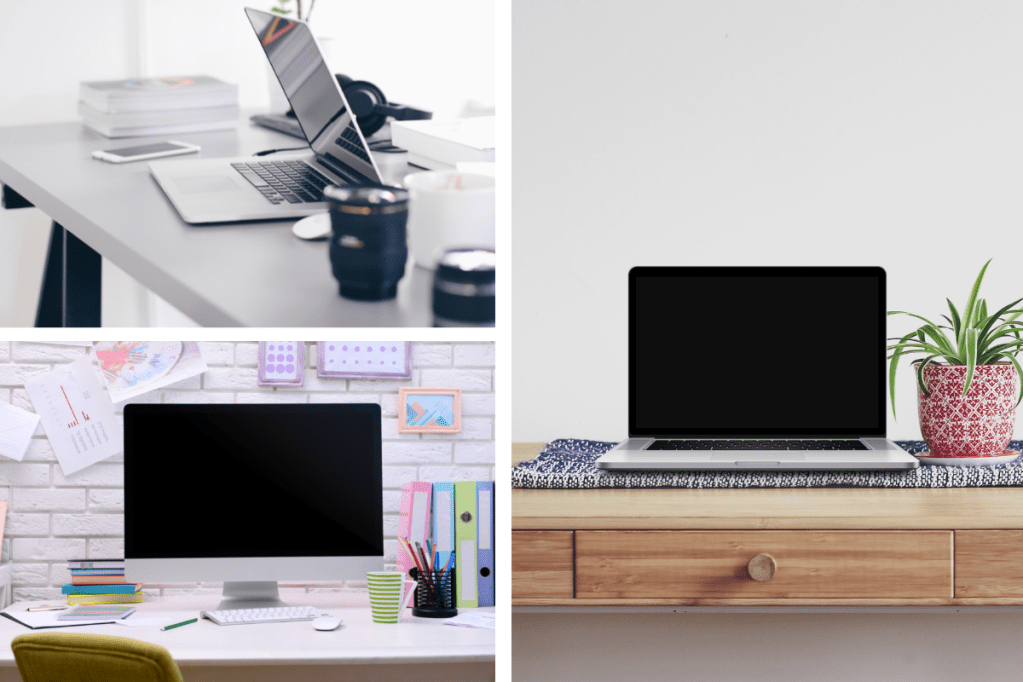
This comprehensive guide explores the art of creating bespoke computer desks, featuring innovative designs to craft personalized workspaces. Delve into the world of unconventional materials and tailor-made dimensions to create a truly unique and functional desk that suits your needs and working style. Uncover the science of ergonomics and discover tips for a healthier, more productive workday. Learn about cable management solutions, creative lighting and color schemes, and storage and shelving solutions to maximize efficiency and comfort in your home or office. With this practical handbook, you’ll have the knowledge and tools to create your ultimate custom computer table.
Unconventional materials to create a unique custom computer table
A bespoke computer table made from unusual materials may make a statement and offer a unique workstation. Designers may experiment with recycled plastic, glass, and even concrete instead of wood or metal. Recycled plastic may be shaped into a sleek, contemporary desk that is eco-friendly and distinctive. Glass desks are elegant and sophisticated, whereas concrete desks are industrial and minimalist.
Reclaimed wood is used for unique handmade computer tables. Every office benefits from reclaimed wood’s rustic beauty. The wood comes from ancient buildings or discarded goods, and experienced craftsmen convert it into attractive and usable furniture. For instance, a desk created from salvaged wood might be dyed or left natural.
Acrylic is another odd material that may be utilized to make a bespoke computer table. Custom computer desks may be made from acrylic, which is lightweight and durable. Acrylic desks may be tinted to complement a certain décor style or have a transparent surface for a contemporary, minimalist aesthetic. Built-in lighting and storage compartments are possible due to the material’s adaptability.
Utilizing uncommon materials to make a personalised computer table lets designers build a customized workstation that matches their taste. Designers are driven to experiment with new and novel materials that look attractive and have a low environmental effect due to a growing emphasis on sustainability and eco-friendliness.
Tailoring a desk to suit your needs and working style
Customizing a computer desk to fit an individual’s requirements and working style boosts productivity and comfort. A workstation that’s too high or low might cause back and neck discomfort, and a workplace with too little storage can be messy. It’s important to consider height, size, and storage while choosing a desk.
Designing a bespoke computer desk requires consideration of height. To avoid neck, back, and shoulder discomfort, the desk’s height should be based on an individual’s height. A low workstation strains the neck and back, whereas a high desk strains the shoulders and arms. So, a person’s height and working style must be taken into account while measuring a desk’s height.
To establish a pleasant and efficient workstation, custom computer desk measurements should be addressed. The desk’s depth should fit the computer monitor, keyboard, and other peripherals. To accommodate work supplies and documents, the desk should be broad enough. To avoid cramping and discomfort over long periods of sitting, the desk should have enough legroom.
While customizing a desk, storage is another important component. A messy workstation with limited storage might reduce productivity. The desk’s storage should be large enough for books, papers, and other stuff. To boost productivity and efficiency in the workplace, storage should be conveniently accessible and organized.
The science of ergonomics: tips for a healthier, more productive workday
Workplace efficiency is studied in ergonomics. Ergonomics is vital for a healthy, productive workplace. An ergonomic workstation should improve posture, minimize physical strain, and boost productivity. Adjusting chair height and posture, positioning computer displays at eye level, and taking pauses to stretch and exercise are all ways to create an ergonomic workstation.
Adjust chair height and posture to create an ergonomic workstation. The chair should be set such that the feet may comfortably rest level on the ground and the knees are at a 90-degree angle. To support the lower back, the chair’s backrest should offer lumbar support. Chair posture may minimize physical strain and increase comfort after long hours of sitting.
To create an ergonomic workstation, situate computer displays at eye level. The monitor’s top should be at or slightly below eye level. This reduces neck and eye strain by keeping the neck and head in a neutral posture. Neck and shoulder discomfort might result from a low monitor.
Taking pauses to stretch and move about is also important for ergonomics. Sitting for long durations may cause physical strain, pain, and reduced productivity. Standing up, stretching, and moving about helps increase blood flow, muscular weariness, and well-being. Every hour, experts suggest a five-minute rest.
Cable management solutions for a clean and organized desk space
Clean and organized workspaces boost productivity and reduce stress. However, cable management can be difficult due to the growing number of electronic devices in the workplace. Cable tangling, clutter, and safety hazards may result from poor cable management. Cable trays, cable ties, and cord organizers may assist organize a workstation.
Cable trays are a common cable management solution. Metal or plastic cable trays connect to a desk’s bottom. Cables and wires are grouped in the trays. Cable trays can be customized to fit any desk size and shape.
Another cable management technique is cable ties. Cable ties are thin plastic or cloth strips that bundle cables. Cable ties help organize and detangle cables. Cable ties are inexpensive and easy to use, making them ideal for budget-minded people.
Cable organizers are another wire management option for a tidy office. Cord organizers are usually made of fabric or plastic and can be mounted to a desk or wall. Cables and wires are grouped and hidden by them. Cable organizers are useful for any desk since they come in different sizes and forms.
Personalizing your workspace with creative lighting and color schemes
Personalizing your workstation may boost your attitude, productivity, and self-expression. Lighting and color choices may customize your office. Lighting and color effect mood and productivity. Anyone may create a pleasant and inspirational workstation with imaginative lighting and color choices.
An individual’s mood and productivity might be affected by a workspace’s color palette. Vibrant and strong colors inspire creativity and enthusiasm, whereas soft and subdued hues soothe and quiet. A workstation might appear better with a good color scheme. Blue and green are tranquil hues that help people concentrate and work.
Lighting is another important aspect in personalizing a workstation. The appropriate lighting may boost productivity by improving mood and reducing eye strain. The healthiest light is natural light. If natural light isn’t accessible, people may utilize artificial lighting. Bright and chilly lighting boosts productivity, whereas warm and soft lighting relaxes.
Artistic lighting may help customize an office. String lights may create a warm, welcoming environment. A desk lamp may offer task illumination. Accent lighting like spotlights may provide depth and perspective to a workstation.
 Hey Singapore