
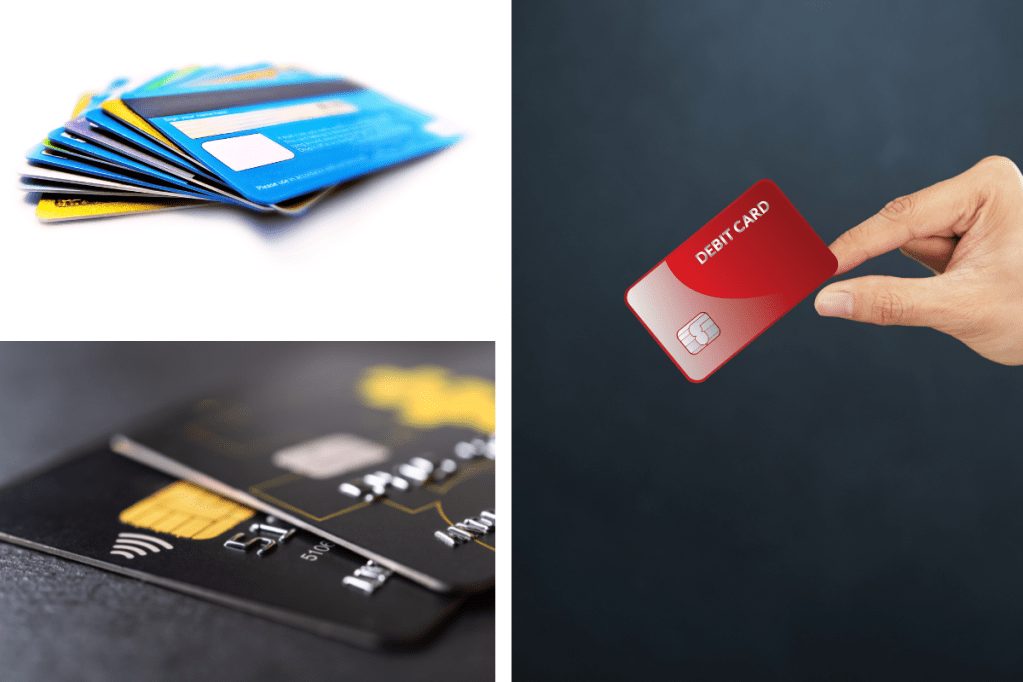
Debit card installment payments have emerged as a game-changer in consumer finance, revolutionizing the traditional loan system. This trend, which has gained momentum in the digital age, presents a new alternative to traditional loans and offers unprecedented convenience to customers. With the integration of NLP technology, facilitating debit card installment payments has become even more seamless. As this payment option becomes more widespread, it has the potential to impact consumer habits and attitudes towards traditional loan options. This article examines the rise of debit card can do installment payments and their implications for merchants, financial institutions, and consumers alike.
The Emergence of Debit Card Installments in the Digital Age
In the digital era, debit card installment payments have grown. E-commerce is growing, and customers want quicker, more flexible payment methods. Consumers now have more control over their spending and payback schedules using debit card installments. Mobile payment technology has made it simpler for customers to shop on the move, contributing to this trend.
Traditional loans have disadvantages compared to debit card installment payments. They’re quicker and easier with rapid approval and automatic payment schedules. This makes them perfect for customers who need to make major purchases rapidly but may not have the funds. Debit card payments may also help customers avoid high-interest debt, which can be a huge financial hardship.
Debit card installments have disadvantages despite their benefits. They may promote overspending since they give quick financing without the scrutiny of conventional lenders. Consumers may also be subject to hidden fees and levies that stack up over time. So, before signing up for a debit card installment program, users should carefully assess their alternatives and read the terms and conditions.
The Role of NLP in Facilitating Debit Card Installment Payments
Debit card installment payments are made easier with NLP. Payment processing may be automated using this technology, speeding up customer applications and approvals. NLP can assess consumer behavior and preferences to help financial companies adjust debit card installment programs to clients’ requirements.
Social media, consumer feedback, and transaction histories may be extracted and analyzed using NLP. Financial organizations may utilize this data to create predictive models to anticipate client requirements and preferences. For debit card installment programs, NLP may evaluate consumer complaints and comments to discover frequent pain points and opportunities for development.
Automating payment processing is another benefit of NLP in debit card installment payments. This system can produce payment reminders, set up automatic payment schedules, and forecast when consumers would miss payments. This may boost customer satisfaction and minimize default risk.
Notwithstanding its strengths, NLP has drawbacks. Automated language processing accuracy may be impacted by regional dialects, slang, and cultural subtleties. The collecting and use of consumer data may raise privacy issues. Thus, financial institutions must responsibly and transparently employ NLP technology.
Debit Cards: A New Alternative to Traditional Loans
Consumers now have more control over their spending and payback plans using debit cards. Debit cards need adequate cash before making a transaction, unlike credit cards, which enable users to incur debt. This makes them excellent for individuals who wish to avoid conventional loans’ exorbitant interest rates and expenses.
Installment payments using a debit card may help people develop credit. Regular, on-time payments show lenders that clients are creditworthy and increase their chances of getting future loans. As debit card installment payments require users to have money before making a transaction, they may help customers avoid overspending.
Installment payments using debit cards have several downsides. Due to fraud and theft, some customers may be wary about using debit cards for major transactions. Debit card installment programs may not be accessible for all purchases or have higher interest rates or fees than conventional loans. So, before signing up for a debit card installment program, users should carefully assess their alternatives and read the terms and conditions.
The Future of Installment Payments with Debit Cards
With continuing development and innovation, installment payments with debit cards have a bright future. NLP technology is being utilized to simplify the application and approval process for debit card installment schemes. NLP may help financial firms customize their programs to client demands by analyzing consumer behavior and preferences.
Debit card installment schemes are expanding to more businesses and sectors. This includes home remodeling, education, healthcare, and vacation. With the advent of e-commerce and online purchasing, debit card installment programs are becoming more accessible and easy for customers. Debit card installment payments are likely to grow in popularity among companies and financial institutions in the future years.
Despite this space’s development and innovation, there remain dangers and obstacles. As more financial transactions migrate online, customer data security and privacy are major concerns. NLP technology may also raise regulatory issues in the banking sector. With proper preparation and execution, these problems may be overcome.
Consumer Habits and Attitudes Towards Debit Card Installments
The future of debit card installments may be predicted by studying consumer behaviors and attitudes. Consumers want quicker, more convenient payment methods, particularly online. Debit card installments enable greater transactions without prior payment.
Consumers are becoming more aware of debit card installment payment hazards and rewards. Debit cards may be avoided for significant transactions owing to fraud and overspending concerns. Debit card installment payments provide more control over spending and repayment than conventional loans, according to some.
Financial firms may utilize many methods to analyze client debit card installment behaviors and opinions. Analyzing customer comments and concerns, conducting surveys and focus groups, and monitoring consumer behavior and trends. By doing so, financial institutions may better adapt their debit card installment plans to consumer preferences.
Debit card installments provide customers more control over spending and repayment than conventional loans. Debit card installment payments are projected to rise in popularity as this industry innovates. Financial institutions must examine the risks and difficulties of these initiatives, including fraud, privacy, and regulatory compliance.
Digital debit card installments have changed consumer financing. These initiatives democratize credit and promote financial inclusion by giving users greater spending and repayment freedom. It will be fascinating to observe how debit card installment payments affect the financial landscape as more companies and financial institutions adopt them.
 Hey Singapore