
Experience a new era in retail architecture and design with Living Mall in Singapore – blurring indoor and outdoor spaces, AI-enhanced and sustainable.
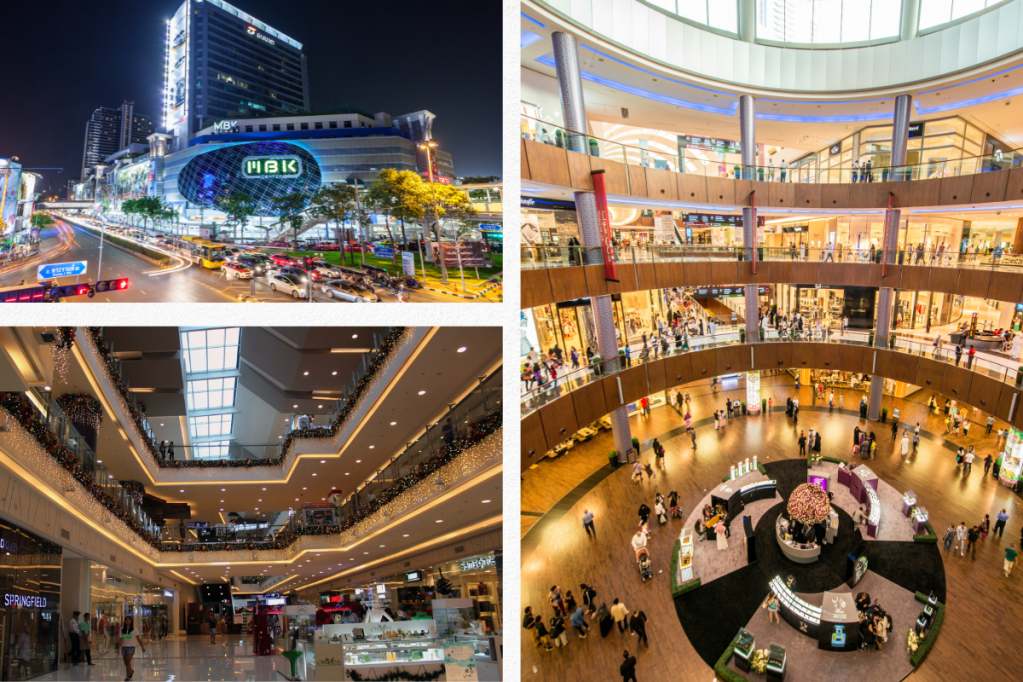
From Shopping to Experiences: How Living Malls in Singapore are Redefining Retail
Singapore’s retail industry is buzzing about Living Malls. These shopping places offer shoppers an engaging and complete experience. Living Malls reinvent the mall experience by combining shopping, entertainment, and leisure. Living Malls are more than just a place to shop, with many events, attractions, and activities.
Shopping centers must know their customers and meet their demands to establish a successful Living Mall. This means using the latest trends and technologies to keep customers coming back. Experiential retail, digitalisation, and customization have helped Singapore’s Living Malls achieve this. By designing unique experiences and embracing technology, they have developed a new retail paradigm that values consumer satisfaction and engagement over sales metrics.
Sustainability and eco-friendliness are important to Living Malls. Several Living Malls have green spaces and natural elements to relax shoppers. Recycling and waste reduction are also stressed. Living Malls attract loyal customers and develop community by reflecting modern consumer ideals.
Retail’s future is Singapore’s Living Malls. They set a new standard for malls worldwide by offering a variety of experiences beyond shopping. From immersive entertainment to sustainable practices, Living Malls provide something for everyone.
The Role of Artificial Intelligence in Enhancing Customer Experience at Living Malls in Singapore
Singapore’s retail business is being transformed by AI, and Living Malls are leading the way. Living Malls provide a tailored, smooth shopping experience utilizing AI technologies. Living Malls are using AI, from predictive analytics to virtual assistants, to better understand and serve their customers.
AI is used in chatbots and virtual assistants. These AI-powered technologies improve shoppers’ shopping experience and increase sales by providing fast support and personalized recommendations. AI chatbots can handle more enquiries than human customer service reps, lowering wait times and enhancing productivity.
AI is also employed in Living Malls for predictive analytics. AI can predict customer requirements and preferences by studying social media, internet reviews, and in-store behavior. This allows Living Malls to give tailored specials and recommendations, enhancing consumer satisfaction and loyalty.
AI is improving customer experiences at Singapore’s Living Malls. Living Malls may improve customer satisfaction and sales by using AI to personalize and engage shoppers.
Sustainable and Eco-Friendly Design: A Key Feature of Singapore’s Living Malls in Singapore
Singapore’s Living Malls promote eco-friendly and sustainable methods. These malls emphasize environmentally friendly design. Living Malls are setting the norm for sustainable retail areas with their green spaces and energy-efficient systems.
Vertical gardens are a sustainable design element in Living Malls. These gardens not only beautify the shopping environment but also purify the air. Living Malls also use renewable energy sources like solar panels and wind turbines to reduce their carbon footprint and promote clean energy.
Living Malls also reduce trash and encourage recycling. Recycling bins and minimizing single-use plastics are part of this. Living Malls attract loyal customers and foster a feeling of community by emphasising sustainability and eco-friendliness.
Singapore’s Living Malls are environmentally friendly. Living Malls are setting the bar for sustainable retail environments with green spaces, renewable energy, and trash reduction.
The Impact of COVID-19 on the Growth of Living Malls in Singapore
COVID-19 has affected Living Malls and Singapore’s retail business. Living Malls have had to adjust to the new normal due to physical distance limits and health and safety concerns. COVID-19 has offered growth and innovation despite its challenges.
This is shown in the rise of e-commerce and digitization. Living Malls have had to improve their online ordering and delivery services to accommodate more online shoppers. Living Malls also use virtual try-on and augmented reality to improve the shopping experience.
COVID-19 has also boosted experiential retail. Shopping experiences in Living Malls include virtual events and exhibitions. This attracts customers and fosters community in a period of social distancing.
Living Malls in Singapore have had to deal with COVID-19, but it has also opened them new possibilities. Living Malls can prosper in the post-pandemic era by embracing digitization and experiential retail.
The Future of Retail: How Living Malls in Singapore are Poised to Dominate the Market
Retail has always been important to the economy, but technology and e-commerce have made its future questionable. Living Malls in Singapore will rule the market. These innovative malls combine retail and residential units for a unique shopping experience. Singapore’s Living Malls are popular due to their convenience and luxury.
Living Malls provide shoppers a smooth, immersive experience. They have cutting-edge technology that lets shoppers virtually engage with things. Living Malls use technology to personalize and enrich the shopping experience. Hence, Living Malls have become a popular destination for shoppers seeking the future of shopping.
The Living Mall’s many benefits have made it popular in Singapore. Living Malls’ convenience is their major benefit. Shoppers may buy groceries, eat out, and work out. Living Malls offer a variety of services, including medical and daycare. This makes Living Malls an all-inclusive shopping destination, a major benefit over typical retail areas.
Designing for the Senses: The Importance of Multi-Sensory Experiences in Living Malls in Singapore
With e-commerce on the rise, merchants must discover new strategies to get customers to their storefronts. Multi-sensory experiences in Singapore Living Malls are one-way retailers are achieving this. Multi-sensory experiences enhance shopping by engaging all senses. Designing for the senses boosts sales and foot traffic for retailers.
Customer preferences and behavior must be understood to design for the senses. It entails making shopping a multisensory experience. Lighting can improve the shopping experience, for instance. Scents can also create an atmosphere and evoke feelings. Retailers may create an immersive and memorable shopping experience by combining all senses.
Living Malls in Singapore are pioneering multi-sensory experiences. These malls are meant to engage all the senses, giving shoppers a memorable experience. Water features, music, and art exhibits create a sensory-rich environment in Living Malls. Living Malls attract shoppers who want a more immersive and engaging retail experience with their sensory-rich atmosphere.
Conclusion
With experiential retail, sustainability, and innovation, Singapore’s Living Malls are revolutionizing retail. Living Malls attract loyal customers and develop a feeling of community by offering a unique and immersive shopping experience. Living Malls also use AI to provide a more personalized and seamless purchasing experience than traditional retail. Living Malls are positioned to set the global standard for malls as the retail industry evolves.
Consumers’ shifting wants and ideals are reflected in Singapore’s Living Malls. Living Malls are leading the retail industry in sustainable design, digitalization, and experience retail. With the rise of Living Malls, retail in Singapore is bright. The industry has been transformed by merging residential and retail spaces. Living Malls give shoppers luxury, convenience, and personalization. The retail scene will change in the future years due to technology and the Living Mall concept.
Designing for the senses is becoming more essential in retail. Singapore’s Living Malls are leading this trend by developing immersive, multisensory settings. Living Malls create a new standard for shopping areas by mixing art, music, technology, and smells. Shops who invest in multi-sensory experiences may see increased foot traffic and sales, making it a sensible investment for the future.
 Hey Singapore