
Learn how sitting in an orthopedic chair can help improve your posture and reduce the pain in your back. This guide covers everything from the many kinds of chairs to maintenance and cleaning recommendations.
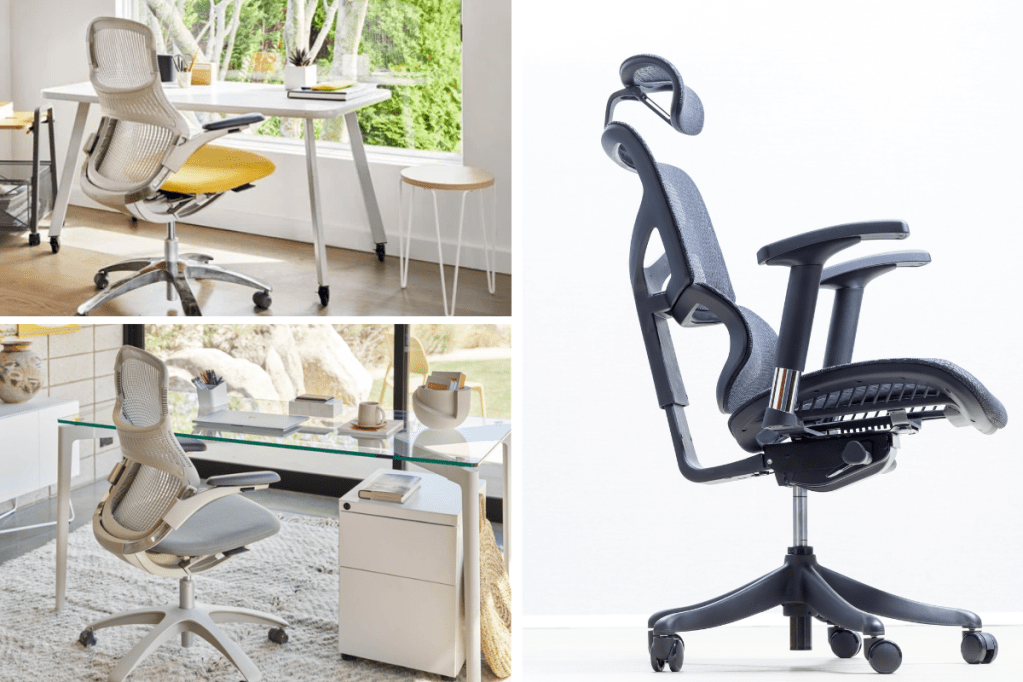
Understanding Orthopedic Chairs: What Makes Them Different from Regular Chairs?
Orthopedic chairs support and cushion your back and spine. Orthopedic chairs are ergonomically engineered to support and maintain your natural body alignment. This can improve posture, alleviate back discomfort, and promote comfort.
Adjustability distinguishes orthopedic chairs from conventional chairs. Orthopedic chairs contain adjustable seat height, backrest angle, and armrests. These characteristics let you tailor the chair to your body shape and size for optimal support and comfort. Regular chairs are one-size-fits-all and less adjustable.
Weight distribution distinguishes orthopedic chairs from conventional chairs. Orthopedic chairs evenly distribute weight, relieving lower back discomfort and improving excellent posture. Yet, regular chairs can strain your lower back and cause posture abnormalities, causing pain and discomfort.
Orthopedic chairs may include posture-supporting features. Some orthopedic chairs offer lumbar support cushions or headrests for neck and shoulder support. Some have hip- and leg-relieving seat cushions or footrests.
Orthopedic chairs are ergonomic and supportive. They distribute weight evenly, have adjustable features, and may include support features to improve posture and relieve back strain. Orthopedic chairs are more comfortable and lower the risk of back discomfort and other postural concerns.
The Importance of Posture: How Poor Posture Affects Your Health
Your posture is how you stand, sit, or lie down. Poor posture can cause a variety of health issues, including back and neck pain, digestive troubles, and breathing problems. Maintaining your health requires knowing the value of proper posture and how poor posture affects you.
Poor posture stresses your spine, which can harm your health. Slouching disrupts your spine’s normal curve, putting pressure on your intervertebral discs. Pressure causes herniated discs, back pain, and nerve damage. Poor posture can potentially misalign the spine, causing major health issues.
Bad posture affects respiration and digestion. Slouching compresses your organs, impairing their function. Poor posture can cause acid reflux, heartburn, and digestive difficulties. Restricting lung capacity can cause shortness of breath, exhaustion, and other respiratory issues.
Poor posture can also damage mental wellness. Poor posture increases anxiety, depression, and stress. Poor posture can induce hormone imbalances and mood swings. Yet, good posture can reduce stress and boost your happiness.
Finally, posture is crucial. Bad posture causes back pain, digestive disorders, anxiety, and depression. Good posture can promote health and reduce these issues. You may give your body the support and attention it needs by improving your posture with an orthopedic chair, yoga, or pilates.
Benefits of Orthopedic Chairs: Why Investing in One is Worth it
Orthopedic chairs offer back and postural assistance. Their many perks make buying one worthwhile. Orthopedic chairs help relieve back pain and improve posture. They support the lower back and ensure optimal spinal alignment.
Orthopedic chairs boost productivity and concentration. These chairs can alleviate discomfort and let you work more by delivering ideal comfort. Desk workers need orthopedic chairs to sit comfortably for long durations.
Orthopedic chairs improve long-term health. Extended sitting on a conventional chair can cause back pain, poor posture, and other health issues. Orthopedic chairs straighten the spine and relieve lower back pressure to prevent these issues. These seats minimize muscle tension and increase blood circulation by delivering ideal comfort.
Finally, orthopedic chairs are versatile due to their many styles. Orthopedic chairs are available for gaming, business, and home offices. Orthopedic chairs increase health, productivity, and comfort.
Types of Orthopedic Chairs: Which One is Right for You?
Orthopedic chairs have varied characteristics and benefits. Consider your needs and preferences while purchasing an orthopedic chair. Orthopedic chairs and their features are listed below.
Kneeling chairs: By tilting the pelvis forward and aligning the spine, kneeling chairs encourage good posture. These seats alleviate lower back pressure, making them excellent for back pain sufferers.
Ergonomic chairs: Ergonomic chairs provide excellent comfort and support for long-term sitters. These seats are adjustable to fit your body and preferences.
Reclining chairs: Reclining chairs support the spine and provide full-body support. You may adjust these seats to find the most comfortable position.
Saddle chairs: By pushing the pelvis forward and straightening the spine, saddle chairs encourage good posture. For long-term sitters who desire lower back support, these chairs are appropriate.
Workout ball chairs: These chairs improve posture and movement. A ball-shaped seat strengthens core muscles to decrease back discomfort and enhance balance in these chairs.
Finally, investing in an orthopedic chair can enhance posture, back pain, productivity, and long-term health. Consider your wants and preferences before buying an orthopedic chair. You may increase your health, comfort, and productivity by choosing the correct orthopedic chair.
How to Adjust Your Orthopedic Chair for Optimal Comfort and Support
An orthopedic chair embraces and soothes the body while you work, reducing discomfort and injury. Buying one isn’t enough. Customizing it to your body shape and size maximizes benefits.
Adjust the orthopedic chair’s seat height first. To reduce lower back and leg pressure, arrange the chair so your feet are flat on the ground and your knees are at a 90-degree angle.
Adjust the backrest for lumbar support. To avoid slouching and retain your spine’s natural bend, place the lumbar support over your hip bones in the small of your back.
Adjust your orthopedic chair armrests for shoulder and arm support. High armrests can strain your neck and shoulders, but these should let you relax.
Finally, tilt the chair to distribute weight. Tilt the chair to reduce lower back pressure.
For comfort and support, orthopedic chair adjustment is essential. These tips will ensure your chair supports your body, reducing pain and damage. Even with a nice chair, prolonged sitting can impair your health, so take breaks and move around.
Conclusion
As individuals realize the benefits of sitting with excellent posture and spinal alignment, orthopedic chairs are becoming more popular. These chairs are meant to support and comfort the body, lowering the risk of discomfort and injury from prolonged sitting. We’ll discuss orthopedic chairs’ benefits and differences in this article.
Orthopedic chairs are made for the body. They prevent back pain and bad posture by supporting the back, neck, and spine. Orthopedic chairs can be customized with lumbar support, armrests, and seat height. Their high-quality materials differ by brand and model. Mesh, leather, and memory foam are popular.
Long-term sitters should get an orthopedic chair. These seats offer many advantages. Orthopedic chairs improve posture. These adjustable components straighten the spine, relieving neck, back, and shoulder pain. They reduce varicose vein risk and relieve hip and buttock pressure by improving circulation. Orthopedic chairs’ upright position improves breathing and digestion.
Different orthopedic chairs serve different needs. Kneeling, saddle, ball, and executive chairs are popular. Kneeling chairs provide an open-angle stance to relieve lower back pain. Saddle chairs tilt pelvis forward, aligning spine. Ball chairs improve posture and balance by using core muscles. High-backed executive chairs provide maximum comfort and support.
Orthopedic chairs are vital for excellent posture and preventing discomfort and injury from prolonged sitting. They support the body, adjust the spine, and relieve neck, back, and hip pain. It’s crucial to get the right orthopedic chair and customize it for comfort and support. An orthopedic chair can improve your health at work and at home.
 Hey Singapore