
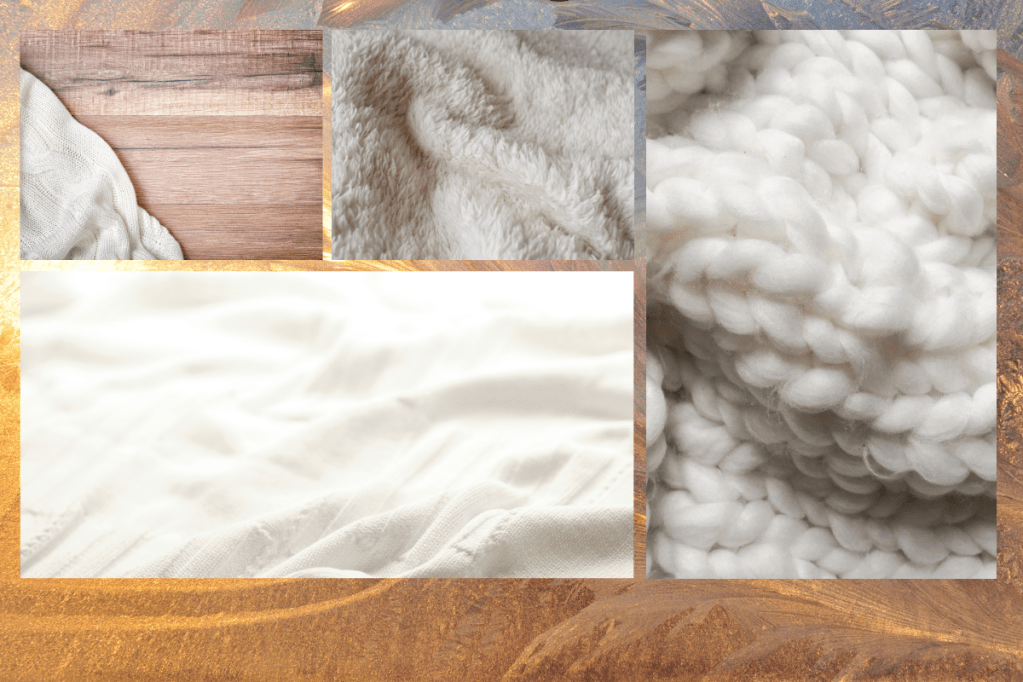
A Lyocell blanket is a type of bedding made from a sustainable and eco-friendly material called Lyocell fiber. Lyocell is a type of cellulose fiber that is made from the pulp of eucalyptus trees and processed using a closed-loop system that minimizes waste and environmental impact. Lyocell is known for its softness, breathability, and moisture-wicking properties, which make it an ideal material for bedding products such as blankets, sheets, and pillowcases.
The development of Lyocell fiber dates back to the 1970s when the Austrian company Lenzing AG first developed a process for producing cellulose fibers using a closed-loop system. This process, which is now known as the Lyocell process, uses a non-toxic solvent to dissolve the pulp and create a wet spinning process that results in a strong and durable fiber. The Lyocell process was commercialized in the 1990s, and today Lyocell is widely used in the textile industry for a range of applications.
Lyocell is considered to be one of the most sustainable and eco-friendly fibers available today, as it is derived from renewable sources and produced using a closed-loop system that minimizes waste and reduces the use of harmful chemicals. Additionally, Lyocell is biodegradable and can be composted at the end of its useful life, making it a more sustainable alternative to synthetic fibers such as polyester. When used in bedding products such as blankets, Lyocell provides a luxurious and comfortable sleeping experience, with its softness and breathability helping to regulate body temperature and promote restful sleep.
What is Lyocell?
Lyocell is a type of cellulose fiber that is made from the pulp of eucalyptus trees using a closed-loop manufacturing process. The process begins with the trees being harvested from sustainably managed forests, where they are then chipped and pulped. The pulp is then dissolved in a non-toxic solvent called N-methylmorpholine-N-oxide (NMMO) to create a cellulose solution. The solution is then extruded through small holes into a chemical bath to solidify the fibers. The resulting fibers are then washed and dried before being spun into yarn and woven into fabric.
Lyocell fibers have a number of unique characteristics that make them ideal for use in clothing and textiles. For one, they are incredibly soft and comfortable against the skin, with a smooth and silky texture that feels luxurious to the touch. They are also highly absorbent, able to absorb up to 50% more moisture than cotton, which helps to keep the wearer cool and dry. In addition, Lyocell fibers are naturally wrinkle-resistant, making them easy to care for and maintain. They are also hypoallergenic and resist the growth of bacteria and other microorganisms, which can help to keep them fresh and odor-free. Finally, Lyocell fibers are eco-friendly and sustainable, as they are made from renewable resources and manufactured using a closed-loop process that minimizes waste and environmental impact.
Benefits of Lyocell Blankets
Lyocell blankets offer a number of benefits that make them a popular choice for those seeking a soft and comfortable bedding option. Firstly, Lyocell fibers are incredibly soft to the touch, with a luxurious texture that feels gentle against the skin. This makes them an ideal choice for those who prioritize comfort and coziness in their bedding. Secondly, Lyocell fibers are highly absorbent and have moisture-wicking properties, meaning that they can help to regulate body temperature by keeping you cool and dry throughout the night. This can be particularly beneficial for those who tend to get hot or sweaty while sleeping.
Another benefit of Lyocell blankets is that they are hypoallergenic and safe for sensitive skin. The fibers are naturally resistant to the growth of bacteria and other microorganisms, which can help to prevent odors and skin irritations. This makes them a great choice for those with allergies or skin sensitivities.
Finally, Lyocell blankets are a sustainable and environmentally friendly choice. The fibers are made from renewable resources and manufactured using a closed-loop process that minimizes waste and environmental impact. This means that not only are they a great choice for your personal comfort, but they also have a positive impact on the planet. Overall, Lyocell blankets offer a unique combination of softness, moisture-wicking properties, hypoallergenic properties, and sustainability, making them an excellent choice for those looking to improve their sleep quality and environmental impact.
How Lyocell Blankets are Made
Lyocell blankets are made from Lyocell fibers, which are produced through a closed-loop manufacturing process that uses a solvent to dissolve wood pulp. The dissolved pulp is then forced through small holes to form fibers that are spun into yarn and eventually woven into fabric. The process is environmentally friendly, as the solvent is reused, and waste is minimized. Once the Lyocell fabric is produced, it can be turned into blankets through a variety of methods such as knitting or weaving. The end result is a soft and breathable blanket that is ideal for all seasons.
Comparing Lyocell Blankets to Other Materials
Lyocell blankets are an eco-friendly alternative to cotton blankets. While cotton blankets require a significant amount of water, pesticides, and fertilizers to grow, lyocell blankets are made from sustainably sourced wood pulp and require less water and chemicals during production. Lyocell blankets are also hypoallergenic, soft, and breathable, making them a great option for those with sensitive skin or allergies. In comparison to cotton blankets, lyocell blankets are also more durable and less likely to shrink or pill over time.
When compared to wool blankets, lyocell blankets offer a different set of benefits. Wool blankets are known for their warmth and ability to regulate body temperature, making them ideal for cold weather. However, wool blankets can be heavy and scratchy, making them uncomfortable for some people. Lyocell blankets, on the other hand, are lightweight and soft, making them a great option for warmer climates or for those who prefer a lighter blanket. Lyocell blankets are also less likely to cause itching or allergies, making them a better choice for those with sensitive skin.
When compared to synthetic blankets, lyocell blankets stand out for their eco-friendliness and natural composition. Synthetic blankets are made from petroleum-based materials and are not biodegradable, making them harmful to the environment. Lyocell blankets, on the other hand, are made from natural materials and are biodegradable, making them a sustainable option for those looking to reduce their carbon footprint. In terms of comfort, lyocell blankets are also softer and more breathable than synthetic blankets, making them a better option for those who want a cozy yet breathable blanket. Additionally, lyocell blankets are less likely to cause skin irritation or allergies, making them a safer choice for those with sensitive skin.
 Hey Singapore