
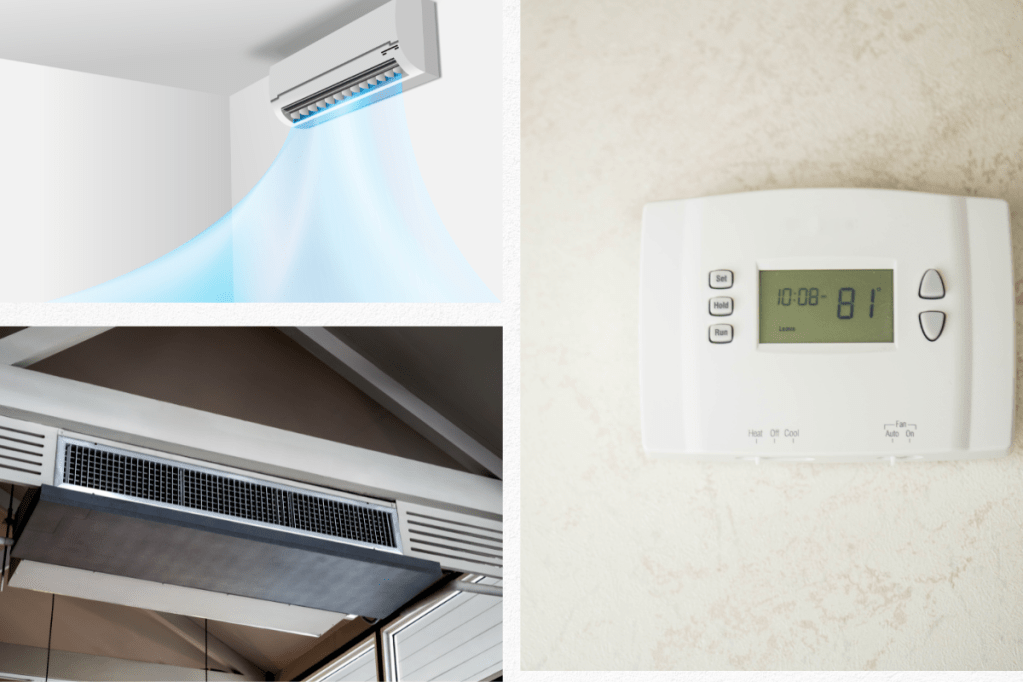
In the face of blistering temperatures and oppressive humidity, air conditioning comes as a godsend, elevating our general well-being. Yet, selecting the ideal air conditioner for your abode or workspace can be a daunting task given the various factors at play. One pivotal factor to consider is the cooling capacity of the air conditioner, measured in British Thermal Units (BTUs). A well-matched AC BTU rating can spell the difference between a comfortable and stifling living space. This write-up plunges into the intricacies of AC BTU, expounding on what it is, how to accurately compute the correct AC BTU for your residence, and the factors that impede cooling capacity. Whether you plan to acquire a new air conditioner or upgrade your current one, read on to gain insight into AC BTU and its bearing on your indoor comfort.
What is a BTU?
BTU or British Thermal Unit is the quintessential measure of an air conditioner’s cooling prowess. It is the amount of heat that an AC unit can eliminate from a room within an hour. The higher the BTU rating, the more effective an air conditioner is at cooling your space. This means that when shopping for an AC unit, you must pay attention to its AC BTU rating. The right AC BTU rating can determine the difference between a comfortable and an insufferable indoor environment. A low BTU rating will not be adequate to cool a room, whereas a high BTU rating may result in excessive cooling, resulting in higher energy costs.
Calculating the appropriate AC BTU rating for your space necessitates an understanding of the room’s size, the number of windows, ceiling height, and insulation level. A larger room with more windows will require a higher BTU rating, while a room with high ceilings and poor insulation will require a higher BTU rating to cool efficiently.
Comprehending the significance of BTUs is paramount when selecting an air conditioner for your home or workplace. By scrutinizing the BTU rating, you can ensure that the AC unit can effectively cool your room without expending excessive energy. Thus, before making a purchase, ensure that you calculate the correct AC BTU for your space to guarantee optimal comfort and energy efficiency.
How to Calculate the Correct AC BTU
The apt determination of AC BTU is of paramount importance to keep your indoor environment serene and refreshing. Diverse noteworthy factors warrant consideration to arrive at the fitting AC BTU for your space.
Primarily, the area to be cooled necessitates precise measurement, as the square footage of the space plays a pivotal role in determining the requisite cooling capacity. This can be accomplished by multiplying the length and width of the room in feet. Furthermore, BTU calculators, which take into account multiple variables such as insulation, ceiling height, and the number of windows, can be employed to arrive at the appropriate AC BTU rating for your ambiance.
As an exemplification, a 150 square feet room with an average ceiling height, one window, and good insulation necessitates an air conditioning unit with a BTU rating of approximately 5,000. However, a larger room with more windows and higher ceilings necessitates a relatively higher BTU rating.
It is vital to note that a higher BTU rating for your air conditioner does not always guarantee superior cooling. An over-sized unit can lead to deficient humidity control and an elevated energy bill. Therefore, it is pivotal to ensure that the AC BTU rating is attuned to your space’s requirements.
Apart from room size, other factors that may influence cooling capacity comprise the number of occupants in the room, the heat emanated from electronics and appliances, and the room’s location.
By contemplating these factors, you can ensure that your air conditioner provides optimal cooling performance while ensuring energy efficiency, resulting in a comfortable and cost-effective indoor environment.
Factors Affecting Cooling Capacity
A thorough comprehension of the factors that impact cooling capacity is critical in ensuring your air conditioning unit cools your space efficiently, even if it has the appropriate AC BTU rating. By analyzing these factors, you can optimize your AC unit’s performance and enhance its overall efficiency.
One of the most significant contributors to cooling capacity is the quality of the room’s insulation. Subpar insulation allows heat to seep in, causing your air conditioner to work harder to cool the room. Additionally, drafts resulting from open doors or windows can also reduce your AC unit’s effectiveness.
The location of the room can also play a pivotal role in cooling capacity. A room that basks in direct sunlight for extended periods is bound to be hotter than a shaded room. Hence, a space with more sun exposure may necessitate a higher AC BTU rating to cool optimally.
The number of people in the room can also affect cooling capacity. A room occupied by several individuals can produce more body heat, making it harder for the air conditioner to cool the area effectively. Further, electronic devices and appliances present in the room can generate additional heat and diminish your AC unit’s efficiency.
Lastly, the age and condition of your air conditioning unit can significantly impact its cooling capacity. An outdated or inadequately maintained air conditioner may struggle to cool a room, even if it has the proper AC BTU rating.
To optimize your AC unit’s efficiency, it is imperative to consider all these factors. In addition to selecting an air conditioner with the appropriate AC BTU rating, you should enhance insulation, seal drafts, limit sunlight exposure, and minimize the heat generated by occupants, electronic devices, and appliances. Consistent maintenance of your AC unit is also crucial to ensuring its optimal performance and efficient cooling of your space.
Understanding the various elements that affect cooling capacity is fundamental in guaranteeing your air conditioner functions optimally to cool your environment. By evaluating insulation, sunlight exposure, occupancy, electronic devices and appliances, and your AC unit’s condition, you can boost your air conditioner’s effectiveness and overall efficiency.
In sum, the selection of an air conditioning unit with a commensurate AC BTU rating, along with an understanding of the variables that influence cooling capacity, is fundamental to achieving optimal cooling efficacy and energy efficiency in your indoor setting. A cognizance of the room’s thermal insulation, positioning, occupancy levels, electronic and appliance load, and the condition of your AC unit can help optimize its performance and enhance its overall operational efficiency. Consistent maintenance of your AC unit is also vital to ensure that it is operating at its highest potential and adequately cooling your space. These measures will ultimately lead to a refreshing and comfortable indoor environment, notwithstanding the sweltering heat of the summer months.
 Hey Singapore