
The drudgery of laundering can be abated by adopting proper techniques and the best detergent for white clothes. Assorted measures, ranging from segregation of clothing to the selection of suitable washing agents, can assure an improved outcome, restoring the crisp and unblemished appearance of your wardrobe. This piece aims to impart some of the most efficacious washing machine laundry tips to empower you to extract the maximum potential from your apparatus, while preserving the pristine quality of your garments.
Laundering is an imperative obligation in every household, and the employment of a washing machine can effectively alleviate the toil. Nonetheless, not everyone is cognizant of the proper protocols required to operate a washing machine adroitly. Consequently, a lack of knowledge could lead to ineffectual outcomes, ravaged attire, or even malfunctioning machinery. That is precisely why we have curated this comprehensive guide to impart to you the necessary savoir-faire in utilizing your washing machine, ensuring optimal outcomes each time you use it, especially when it comes to selecting the finest detergent for white clothing.
Sorting Your Clothes
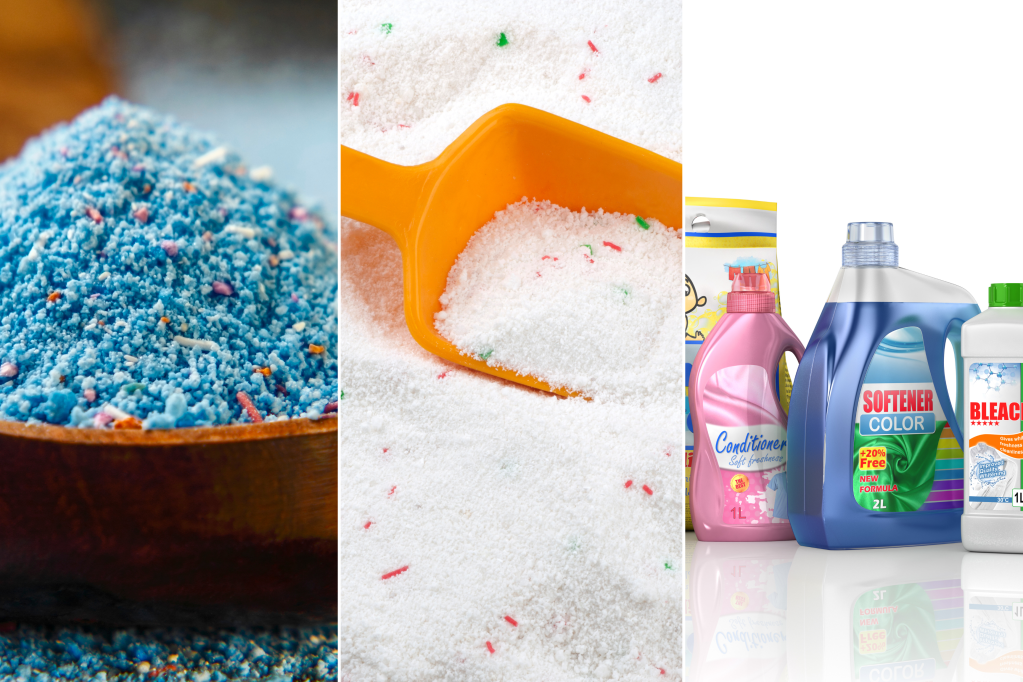
One of the most crucial washing machine laundry tips is to sort your clothes correctly. Separate clothes by color, fabric type, and level of dirtiness to prevent colors bleeding or whites turning gray. Sorting clothes can also help ensure that you use the right temperature, cycle, and detergent for each load.
Choosing the Right Detergent
Choosing the best detergent for white clothes is key to getting clean clothes. Some detergents are designed for specific fabrics, such as delicates or whites, and some are designed for specific types of stains. Choose a detergent that matches your clothes’ fabric type and the type of stains you need to remove.
Measuring Detergent
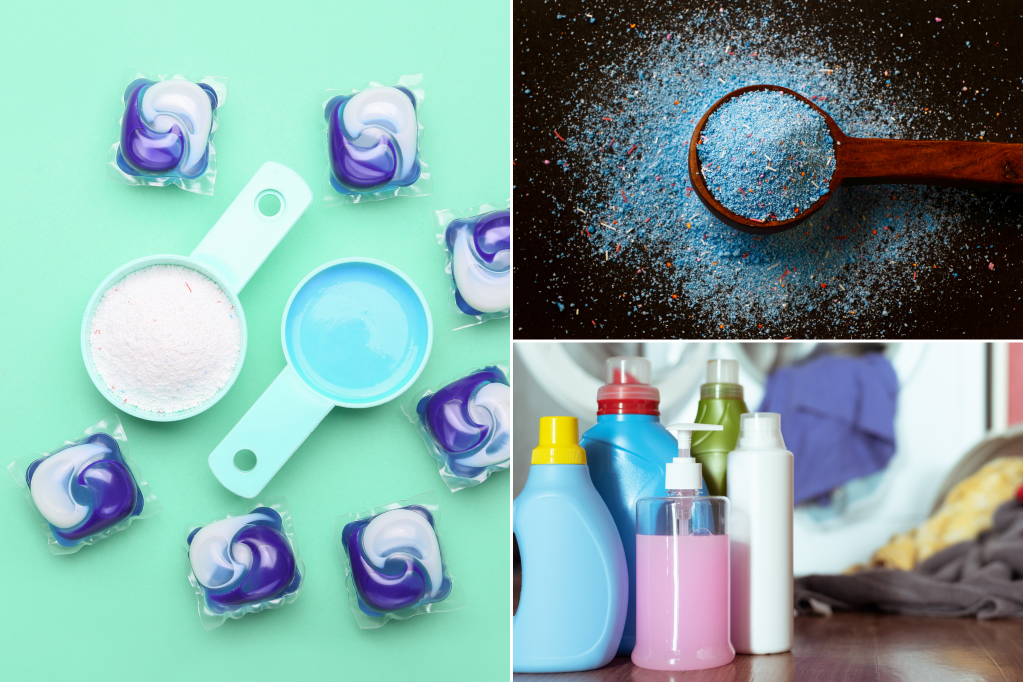
Using too much detergent can leave residue on clothes, which can make them look dingy and feel stiff. Using too little detergent can result in dirty clothes. Follow the instructions on the detergent label to measure the correct amount of detergent for your load size and soil level.
Using the Right Temperature
Using the right temperature can make a big difference in how clean your clothes get. Hot water is best for whites, heavily soiled clothes, and towels. Warm water is good for synthetic fabrics, colored clothes, and lightly soiled clothes. Cold water is best for delicate fabrics, dark colors, and clothes that are prone to shrinking or fading.
Pre-Treating Stains
Pre-treating stains before washing can help remove stubborn stains. Apply a pre-treatment solution or liquid detergent directly to the stain and let it sit for a few minutes before washing. Be careful not to rub the stain, as this can spread it.
Using Fabric Softener
The enticement of utilizing fabric softener to bestow upon your wardrobe a fragrance of elysian odors and a velvety touch is quite tantalizing. However, one must exercise discretion in its usage, for its application can engender unwelcome results. The reduction in absorbency of towels due to fabric softener can be quite irksome, and the appearance of stains on certain fabrics can be a distressing sight to behold. Hence, it is prudent to utilize fabric softener judiciously, sparingly, and with circumspection, while avoiding its application on towels and sportswear to circumvent any potential complications.
Moreover, when it comes to washing white clothes, the selection of the most appropriate detergent is paramount. White clothes are often more susceptible to discoloration and blemishing, necessitating a detergent that is specifically tailored to handle these issues.
Proper Loading of the Machine
Proper loading of the machine is essential for getting clean clothes. Overloading the machine can cause clothes to come out dirty, wrinkled, or even damaged. Load the machine loosely and evenly to allow clothes to move freely.
Avoid Overloading the Machine
Overloading the machine can cause it to work harder than it should, which can lead to wear and tear on the machine. It can also cause the machine to not clean clothes properly. Stick to the recommended load size for your machine, and don’t stuff in too many clothes.
Clean the Lint Filter
Cleaning the lint filter before every wash can help prevent lint buildup in the machine, which can affect its performance and cause damage. Remove any lint or debris from the filter and dispose of it properly.
Clean the Washing Machine
Cleaning the washing machine regularly can help keep it running smoothly and prevent odors. Run a cycle with hot water and vinegar or a washing machine cleaner to remove any buildup inside the machine.
Dry Clothes Properly
Drying clothes properly can help prevent wrinkles and damage to clothes. Follow the care instructions on each garment to determine the appropriate drying method. Use a dryer for clothes that require it, and hang dry delicate items or those that are prone to shrinking.
Avoid Overdrying Clothes
Overdrying clothes can cause them to shrink or become damaged. Use the appropriate drying time and temperature for each load, and remove clothes from the dryer as soon as they’re dry.
Wrapping Up
By following these washing machine laundry tips, you can get the best results from your machine and keep your clothes looking their best. Remember to sort your clothes, choose the right detergent and temperature, pre-treat stains, use fabric softener sparingly, load the machine properly, and clean the machine and lint filter regularly. Properly drying clothes is also essential to keeping them in good condition.
FAQs
- How often should I clean my washing machine?
- It’s recommended to clean your washing machine at least once a month.
- Can I use bleach in my washing machine?
- Yes, but be careful not to use too much bleach, as it can damage clothes and the machine.
- How can I prevent colors from bleeding?
- Separate clothes by color and use cold water for colored clothes.
- How much detergent should I use for a load?
- Follow the instructions on the detergent label to measure the correct amount for your load size and soil level.
- Can I use fabric softener on all clothes?
- Fabric softener can cause stains on some fabrics and reduce the absorbency of towels. Avoid using it on towels and athletic wear, and use it sparingly on other fabrics.
 Hey Singapore