
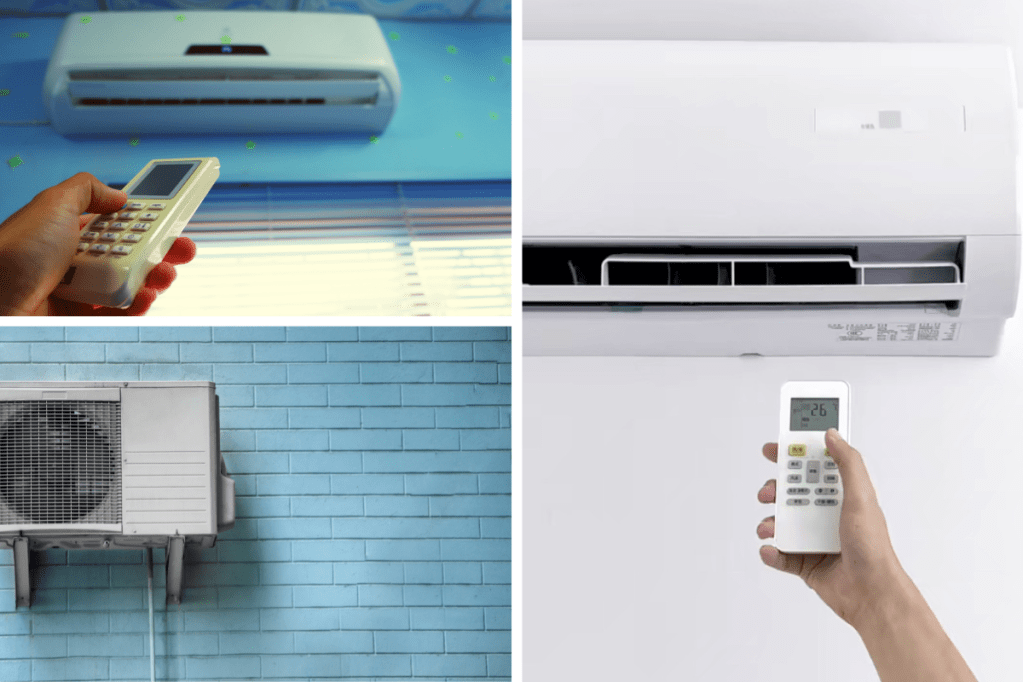
With the use of our one-of-a-kind comparative study, you will gain an understanding of the air conditioning systems offered by Mitsubishi and their exceptional energy efficiency. Get out about some lesser-known ideas, and start cutting your expenses right away.
Energy Efficiency: A Key Factor in Modern Air Conditioning Systems
Due to the need for sustainable and eco-friendly solutions, modern air conditioning systems prioritize energy efficiency. Air conditioning demand increases the need for energy-saving technologies that lower buildings’ carbon footprints. Energy-efficient air conditioning systems can lower energy costs by 50% and improve indoor air quality and comfort.
Advanced technologies that optimize energy consumption are the key to energy efficiency in air conditioning systems. Inverter compressors, variable speed drives, and intelligent controls regulate indoor temperature and humidity. Air conditioning systems can match their output to the building’s cooling needs using these technologies, saving energy and improving efficiency.
Energy efficiency also entails using renewable energy and reducing energy use. Air conditioning systems can be integrated with solar panels, geothermal heating and cooling systems, or other renewable energy producing equipment to reduce a building’s energy use and increase its sustainability. These technologies can reduce buildings’ carbon footprint and contribute to a sustainable future.
As a result, energy efficiency is crucial in modern air conditioning systems. Cutting-edge technologies and renewable energy sources can save air conditioning systems a lot of electricity. This protects indoor air quality and comfort. So, building owners and managers must prioritize energy efficiency when choosing air conditioning systems to reduce energy consumption, costs, and sustainability.
Mitsubishi Aircon: Innovative Technologies for Energy Savings
Mitsubishi Electric has pioneered energy-saving air conditioning solutions. The company’s commitment to sustainability and energy efficiency has led to the development of sophisticated technologies that optimize energy use and minimize building carbon footprints. Mitsubishi Aircon products are popular with eco-conscious consumers because they offer comfort and energy savings.
Mitsubishi Aircon’s inverter compressor matches the building’s cooling needs by adjusting its speed. This technology reduces energy usage by up to 30% compared to typical air conditioning systems, making it an efficient and cost-effective alternative for buildings of all sizes. Inverter compressor technology also keeps the air conditioning system at a comfortable temperature, improving interior air quality.
Mitsubishi Aircon also uses the Hybrid VRF system, which combines VRF efficiency with water-cooled flexibility. The Hybrid VRF system uses 50% less energy than conventional air conditioning systems. It allows users to manage the temperature and humidity of particular rooms or zones, providing comfort and flexibility.
In conclusion, Mitsubishi Aircon’s dedication to sustainability and energy efficiency has resulted in cutting-edge technology that save energy and enhance comfort. Mitsubishi Aircon uses innovative technology like the inverter compressor and Hybrid VRF system to optimize energy consumption and reduce buildings’ carbon footprints. Mitsubishi Aircon‘s energy-efficient products help users save money and the environment.
Comparative Analysis of Energy Efficiency Ratings of Mitsubishi Aircon with Other Air Conditioning Brands
Energy efficiency is crucial to reducing carbon emissions and preserving the earth. Mitsubishi is a top brand of energy-efficient air conditioners. Comparing Mitsubishi aircon energy efficiency ratings to various brands might help consumers choose a model.
Mitsubishi air conditioners have a Seasonal Energy Efficiency Ratio (SEER) of up to 26, greater than most of their competitors, according to a National Renewable Energy Laboratory research. Mitsubishi aircon systems can cool better while using less energy, saving users money. Comparing energy efficiency ratings might assist find models that work well in different climates.
Mitsubishi aircon systems also use inverter technology to adjust compressor speed to cooling needs, saving energy. Mitsubishi air conditioners use R32 refrigerant because it has a lower global warming potential than other refrigerants. Comparative analysis can uncover brands that prioritize eco-friendliness and sustainability in product design.
In conclusion, comparing Mitsubishi aircon energy efficiency ratings to other brands is important in today’s world to assist consumers make informed decisions and protect the environment. Mitsubishi aircon units save users money and are eco-friendly. Users can save money and help the environment by buying an energy-efficient air conditioner.
Cost Savings with Mitsubishi Aircon: A Case Study
Air conditioning units utilize a lot of energy, resulting in hefty power costs. But, by choosing an energy-efficient model like Mitsubishi aircon, consumers can considerably cut their energy usage and cost savings. Energy-efficient models may save money, as shown by Mitsubishi aircon’s cost reductions.
In a case study by Energy Saving Trust, a UK organization, Mitsubishi air conditioning equipment saved £150 per year compared to typical air conditioning units. The study also found that installing an energy-efficient model like Mitsubishi aircon has a payback period of about 4 years, which is far lower than typical aircon systems.
Mitsubishi aircon units can also save money by using innovative technologies like inverter technology. Inverter technology adjusts compressor speed to meet cooling needs, saving energy and money for consumers. Mitsubishi aircon units employ eco-friendly R32 refrigerant, which has a lower global warming potential than typical refrigerants.
In conclusion, Mitsubishi aircon’s cost savings demonstrate the potential benefits of energy-efficient products. Mitsubishi aircon units are energy efficient and eco-friendly, saving users money and the environment. Energy-efficient models save money and help the environment.
Best Practices for Optimizing Energy Efficiency of Mitsubishi Aircon
Modern homes and businesses need air conditioning. They make living comfortable, but they use a lot of energy, raising electricity bills. Thus, optimizing air conditioning unit energy efficiency reduces energy consumption and costs. This article discusses Mitsubishi aircon energy efficiency best practices.
Upkeep
Regular maintenance improves Mitsubishi aircon energy efficiency. Poor air conditioning maintenance raises electricity bills. Clean air filters, coils, and other components regularly. To keep the unit running smoothly, schedule professional maintenance checks.
Thermostat
Mitsubishi aircon efficiency also depends on temperature control. Set the temperature to a comfortable, non-cooling level. Low temperatures waste energy, raising electricity bills. Use the aircon’s timer to save energy and money when not in use.
Insulation
Mitsubishi aircon efficiency depends on insulation. Poor insulation loses heat, forcing the air conditioner to work harder. To prevent heat transfer, properly insulate the room, seal windows and doors, and use window films or blinds.
Energy-Efficient Upgrades
Mitsubishi aircon energy efficiency is best optimized by upgrading to energy-efficient models. Modern air conditioners are energy-efficient and comfortable. Inverter technology adjusts compressor speed to the desired temperature to save energy.
In conclusion, regular maintenance, temperature control, insulation, and energy-efficient models optimize Mitsubishi aircon energy efficiency. These best practices can significantly reduce energy consumption, save money, and help the environment.
Conclusion
The comparison of Mitsubishi aircon’s energy efficiency ratings to other brands and the case study on cost savings show the importance of energy efficiency in today’s environment. Mitsubishi aircon units save users money and are eco-friendly. Inverter technology and R32 refrigerant make Mitsubishi aircon units stand out in the industry for their energy efficiency and sustainability.
Energy-efficient air conditioning devices like Mitsubishi aircon may grow more popular as consumers become more environmentally conscious and cost-conscious. The comparison analysis and case study illuminate the benefits of energy-efficient vehicles, helping consumers make sustainable choices.
In conclusion, Mitsubishi aircon is a prominent energy-efficient air conditioning brand. The energy efficiency comparison and cost savings case study show Mitsubishi aircon systems’ potential benefits. Mitsubishi aircon is a good investment for people and the environment because energy-efficient models save money and promote sustainability.
 Hey Singapore