
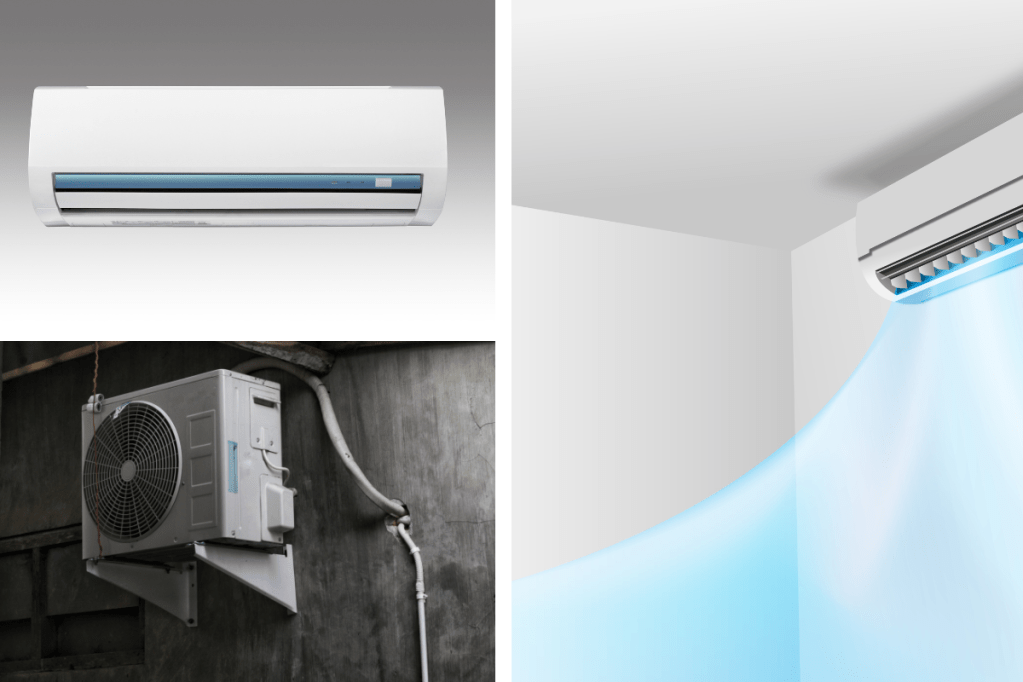
There are various air conditioner options, making it hard to choose. With so many brands and models, it may be hard to start. Nonetheless, inverter air conditioners are becoming more popular.
Inverter air conditioners may be confusing. Unlike regular air conditioners, inverter air conditioners use a variable speed compressor to continuously adjust their cooling capacity. This reduces noise, energy expenses, and temperature control.
Why choose an inverter air conditioner over a traditional one? First, they chill air more efficiently than traditional air conditioners, saving you money on your monthly energy expenses. They also offer more constant and pleasant cooling by matching cooling capacity to room temperature. Conventional air conditioners blast cold air suddenly.
Remember that there are drawbacks. Inverter air conditioners may cost more and need more maintenance due to their more complex components. Nonetheless, inverter air conditioners have more pros than cons for many people.
While buying an inverter air conditioner, certain features should be considered. Make sure the size fits the space first. A little air conditioner won’t cool the space, but a huge one will waste electricity and cause humidity issues.
Choose a model with a high energy efficiency rating to save money on energy expenditures throughout the appliance’s lifespan. Finally, inverter air conditioners may be loud.
To conclude, if you need a new air conditioner, consider buying an inverter. They conserve energy, accurately adjust temperature, and offer consistent cooling. Before buying, do your research and choose the right model.
Inverter air conditioners are also greener. They have a reduced carbon impact since they consume less energy to keep your home pleasant. This is crucial since nations worldwide are still adapting to climate change.
Inverter air conditioners last longer than ordinary air conditioners, so you won’t have to replace them as often. This saves money over time and reduces waste from upgrading old air conditioners.
Inverter air conditioners must be installed by a qualified technician. To perform properly, the inverter system’s complicated elements need proper air conditioner installation. Yet, many models include user-friendly controls and smartphone app remote access. Following installation, they are easy to use.
Finally, if you want to upgrade your air conditioning system, consider an inverter air conditioner. They conserve energy, manage temperature more accurately, and last longer than traditional air conditioners. To ensure proper operation, buy the right model and have a skilled expert install it.
Inverter air conditioners can heat and chill, among other perks. Most versions come with a heat pump for winter warmth. This eliminates the need for a heating system, saving money on installation and upkeep.
For noise-sensitive people, inverter air conditioners are quieter than traditional ones. They reduce noise and vibration by switching on and off less frequently to maintain the desired temperature.
Inverter-based air conditioners are more reliable than traditional ones. They are designed to run continuously, unlike traditional air conditioning systems, which cycle on and off and strain the system. This reduces the chance of malfunction and costly maintenance.
Inverter air conditioners provide perfect temperature control, quiet operation, a long lifespan, and energy efficiency. These may cost more upfront, but energy-saving improvements may save money over time. They can also heat and cool a home, making them versatile and useful.
Several added features might make purchasing an inverter air conditioner more fun. For instance, some models include air-cleaning filters that may remove pollutants and allergens. This may aid allergy and respiratory patients.
Get a smart thermostat to control your air conditioner from a smartphone or tablet. This option is useful if you want to modify the temperature before you come home.
Finally, inverter air conditioners are said to look better than traditional ones. They may be quieter, smaller, and sleeker, making them a better fit for your home.
In conclusion, inverter air conditioners are a fantastic choice for new air conditioners due to their numerous advantages. They conserve energy, adjust temperature more accurately, and operate more silently than traditional air conditioners. To maximize your pleasure, pick the right model and consider added features like air purifying filters, smart thermostats, and trendy designs.
Inverter air conditioners have drawbacks. The higher initial cost compared to traditional air conditioners is a drawback. As said, these features’ energy-saving properties may balance the cost over time.
Certain types are more sophisticated and need professional installation and maintenance. This may expense and bother some homeowners.
Finally, determine the right size for the space. Inverter air conditioners work best when scaled and calibrated to space temperature. The wrong size might reduce efficiency and raise energy costs.
Nevertheless, inverter air conditioners provide better temperature control, less noise, and greater energy economy. They may live longer and hurt the environment less. Nevertheless, for optimal performance, they may need a larger initial investment and expert installation, maintenance, and sizing. Consider these factors before updating your air conditioning system.
When choosing between a traditional air conditioner and an inverter air conditioner, you must weigh the pros and disadvantages of each and consider your needs and budget. If you want a good-performing, eco-friendly cooling system, an inverter air conditioner is a great choice. But, a traditional air conditioner may be ideal if you are worried about the initial cost and are ready to accept less precise temperature control and higher monthly energy expenditures.
Each of these air conditioners have a position on the market, and you must pick which one is best for your living circumstances and home size. Prioritize research and consult an expert if you have questions. If you have a good air conditioning system, you can stay cool throughout the heat.
The frequency of air conditioner repair and maintenance is also important when choosing between a traditional and an inverter air conditioner. Maintaining your air conditioner may prolong its lifespan and ensure top efficiency.
The exterior unit, refrigerant levels, and air filters must be checked for dirt and damage. A professional tune-up and inspection once a year may detect and fix minor issues before they become major ones.
Maintaining your air conditioning system may save your monthly energy expenses and avoid costly repairs or replacements. Your living space will be more comfortable and efficient year-round.
In conclusion, an inverter air conditioner is a great purchase for anyone looking to improve their cooling system and lower their energy expenditures. They are quieter, conserve energy, and can accurately control the temperature. Nevertheless, initial cost, maintenance cost, and size must be considered for optimal performance. If you install and maintain the right system, your living space may be pleasant and useful year-round.
Finally, strengthening your air conditioning system is not the only way to keep your home cool in the summer. Several alternatives exist. Ceiling fans can circulate air, blinds and drapes may be lowered to prevent sunlight, and shade trees or awnings can provide natural shade.
Installing a programmable thermostat might save you money on energy expenses by automatically adjusting the temperature while you are away or asleep.
Finally, inverter air conditioners provide exact temperature control, quiet operation, and energy efficiency. Nevertheless, cost, maintenance, and size must be considered for optimal performance. If you maintain your air conditioner and use other cooling methods, you can keep your home cool, comfortable, and energy-efficient throughout summer.
 Hey Singapore