
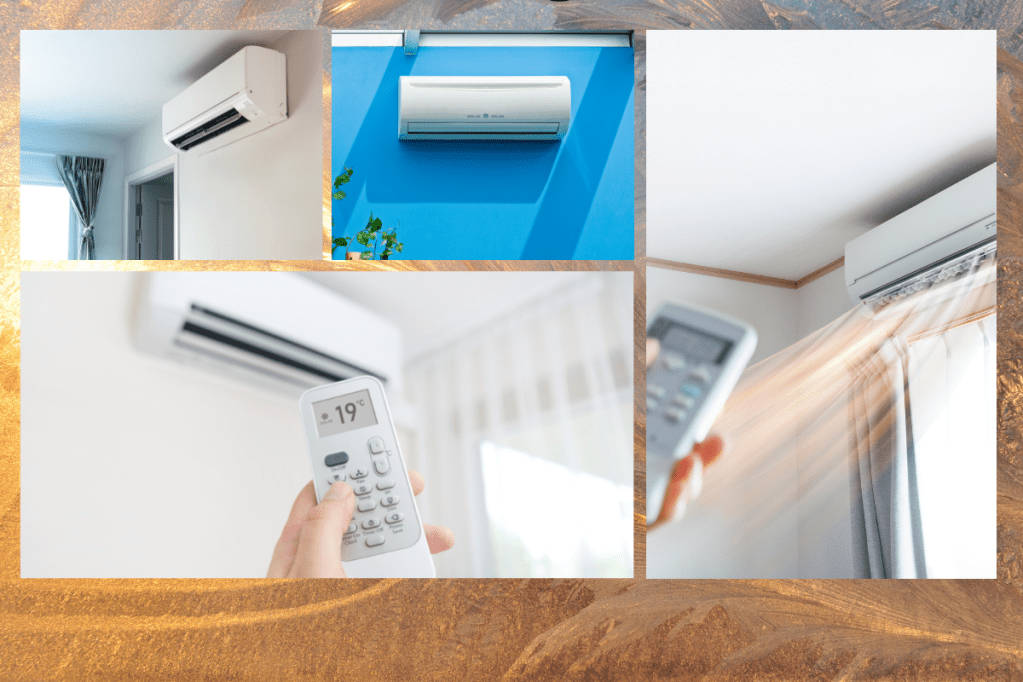
When it comes to keeping your home cool during hot summer months, air coolers and air conditioners are two popular options. Both work towards the same goal, but they use different technologies to achieve it. So, which one is better for you? In this article, we’ll compare air coolers and air conditioners based on their technology, energy efficiency, cost, and maintenance to help you make an informed decision.
Air coolers, also known as evaporative coolers, work by using the natural process of evaporation to lower the temperature of the air. The basic principle is to circulate hot and dry air through a wetted pad or membrane, which evaporates the water and cools the air.
Here’s how it works:
- A fan draws hot air from the room into the unit.
- The air passes through a wetted pad or membrane, which is saturated with water from a tank or reservoir.
- As the hot and dry air passes through the wetted pad, the water evaporates, absorbing the heat and lowering the temperature of the air.
- The cool and moist air is then blown back into the room, providing a refreshing breeze.
Air coolers are most effective in hot and dry climates, where the air is not already saturated with moisture. In humid climates, the cooling effect of the evaporation is reduced as the air is already saturated with moisture.
Air coolers are an eco-friendly and energy-efficient alternative to traditional air conditioners, as they use less energy and do not require harmful refrigerants. They are also more affordable to purchase and maintain.
How Air Conditioners Work
Air conditioners work by removing heat and humidity from the air in a room or building, cooling the air and circulating it back into the space. They achieve this through a process called refrigeration, which involves a series of complex mechanical and chemical processes.
The main components of an air conditioning system include a compressor, a condenser, an expansion valve, and an evaporator. Refrigerant, a type of fluid that can change between a liquid and a gas, flows through these components in a closed system.
Here’s how the process works:
- The compressor compresses the refrigerant, which increases its temperature and pressure.
- The high-pressure, high-temperature refrigerant then flows into the condenser, where it releases heat to the outside environment, usually through a series of fins or coils.
- As the refrigerant releases heat, it cools down and changes from a gas to a liquid.
- The liquid refrigerant then flows through the expansion valve, which reduces its pressure and causes it to expand back into a gas.
- As the refrigerant expands, it absorbs heat from the air in the room or building, which cools the air.
- The cool, low-pressure refrigerant then flows back to the compressor to start the process over again.
Air conditioners also use a blower or fan to circulate the cool air throughout the room or building. Some air conditioning systems also include filters to remove dust and other particles from the air.
Overall, air conditioners provide a comfortable indoor environment by removing heat and humidity from the air, and circulating cool, clean air throughout the space.
Energy Efficiency Comparison
Air coolers and air conditioners are two different types of appliances used for cooling indoor spaces. Here’s a brief comparison of their energy efficiency:
- Energy usage: Air coolers typically use less energy than air conditioners. Air coolers work by evaporating water to cool the air, whereas air conditioners use refrigerant and a compressor to cool the air. Because evaporating water requires less energy than running a compressor, air coolers are generally more energy efficient.
- Cooling effectiveness: Air conditioners are generally more effective at cooling a room than air coolers, especially in areas with high humidity. Air coolers work by adding moisture to the air, which can make the air feel more humid. In contrast, air conditioners remove moisture from the air, which can help to reduce humidity levels and create a more comfortable indoor environment.
- Cost: Air coolers are typically less expensive to purchase and operate than air conditioners. Air coolers are often used in dry climates where air conditioning is not necessary, and they can be a cost-effective option for cooling small spaces. In contrast, air conditioners are more expensive to purchase and operate, and they are typically used in areas with high humidity or during hot summer months.
- Environmental impact: Air coolers are generally considered to be more environmentally friendly than air conditioners because they use less energy and do not contain refrigerants that can be harmful to the environment. However, it’s important to note that air coolers do require a source of electricity to operate, and the water they use can become contaminated if not properly maintained.
Overall, air coolers and air conditioners each have their own benefits and drawbacks when it comes to energy efficiency. The best option for you will depend on your individual needs, the climate in your area, and your budget. It’s a good idea to compare different models and consult with a professional to determine the most energy-efficient option for your home or office.
Maintenance Comparison
Air coolers and air conditioners both require regular maintenance to operate efficiently and prolong their lifespan. Here’s a brief comparison of their maintenance requirements:
Air Cooler Maintenance: Air coolers require regular cleaning to prevent the buildup of mineral deposits and algae that can clog the unit and reduce its effectiveness. This typically involves cleaning the water tank, cooling pads, and other components with a mild detergent and water. In addition, the water supply should be changed regularly to prevent contamination and ensure clean, fresh air is being circulated. Air coolers are generally simpler to maintain than air conditioners, and many models have easily accessible parts that can be removed and cleaned.
Air Conditioner Maintenance: Air conditioners require regular cleaning and maintenance to ensure they are operating at peak efficiency. This includes changing the air filter regularly, cleaning the condenser coils and evaporator coils, and checking the refrigerant levels. Air conditioners also require periodic professional maintenance, including inspection of the electrical connections, lubrication of the motor, and checking the system for leaks. Air conditioners are generally more complex to maintain than air coolers, and may require professional assistance to perform certain tasks.
Overall, both air coolers and air conditioners require regular maintenance to keep them operating efficiently and prolong their lifespan. Air coolers are generally simpler to maintain, with more easily accessible parts, while air conditioners require more complex maintenance tasks and may require professional assistance. Regardless of which type of appliance you choose, it’s important to follow the manufacturer’s instructions for maintenance and cleaning to ensure optimal performance and avoid costly repairs.
Which One Should You Choose?
The choice between an air cooler and an air conditioner depends on various factors such as your budget, the climate in your area, the size of the room you want to cool, and your personal preferences.
If you live in a hot and dry climate, an air cooler may be a more suitable and cost-effective option. Air coolers work by evaporating water to cool the air, and they can be effective in dry climates where humidity levels are low. They are also generally less expensive to purchase and operate than air conditioners, and they require less maintenance.
However, if you live in an area with high humidity or extreme heat, an air conditioner may be a better choice. Air conditioners use refrigerant and a compressor to cool the air, which can be more effective in areas with high humidity. They are also more effective at cooling larger spaces, such as entire homes or offices, and they can be set to a specific temperature.
Ultimately, the choice between an air cooler and an air conditioner depends on your specific needs and preferences. Consider factors such as the size of the room, the climate in your area, and your budget when making your decision. It’s also a good idea to consult with a professional to determine the best option for your home or office.
Factors to Consider Before Making Your Decision
When choosing between an air cooler and an air conditioner, there are several factors that you should consider. Here are some of the key factors to keep in mind:
- Climate: The climate in your area is one of the most important factors to consider. Air coolers are generally more effective in dry climates where humidity levels are low, while air conditioners are better suited to areas with high humidity or extreme heat.
- Room size: The size of the room you want to cool is another important factor. Air coolers are generally more effective at cooling small to medium-sized rooms, while air conditioners can cool larger spaces, such as entire homes or offices.
- Cost: The cost of the appliance is another important consideration. Air coolers are generally less expensive to purchase and operate than air conditioners, making them a more budget-friendly option.
- Energy efficiency: Both air coolers and air conditioners come in varying levels of energy efficiency. Look for models with a high SEER (Seasonal Energy Efficiency Ratio) rating, which measures the cooling output of the unit relative to the energy it consumes.
- Maintenance requirements: Both air coolers and air conditioners require regular maintenance to operate efficiently and prolong their lifespan. Consider the maintenance requirements of each appliance, as well as the cost of maintenance and repairs.
- Noise level: The noise level of the appliance is another important factor to consider, especially if you plan to use it in a bedroom or other quiet space.
- Environmental impact: Consider the environmental impact of the appliance, including its energy consumption and any refrigerants or other chemicals used in its operation.
By considering these factors, you can make an informed decision about whether an air cooler or an air conditioner is the best option for your needs. It’s also a good idea to consult with a professional to determine the most suitable appliance for your home or office.
Conclusion
Essentially, air coolers and air conditioners are distinct contraptions used for chilling spaces. They differ in their methodology for regulating indoor temperature, with air conditioners using refrigerants and compressors and air coolers utilizing evaporative cooling. Air coolers have garnered plaudits for their commendable environmental impact, diminished maintenance requirements, and cost-effectiveness, setting them apart from other cooling systems. However, air conditioners are preferred in regions with high humidity or intense heat for their ability to rapidly cool more extensive spaces.
To choose between an air cooler and an air conditioner, you must evaluate several factors, such as location, room size, budget, and personal preferences. Analyzing these factors thoroughly will help you decide on the optimal equipment to meet your specific needs. Ensuring that you maintain your equipment properly is pivotal in maximizing its functionality and lifespan.
 Hey Singapore