
Discover exquisite bespoke with d furniture in Singapore. Elevate your living space with artisanal designs and impeccable craftsmanship.
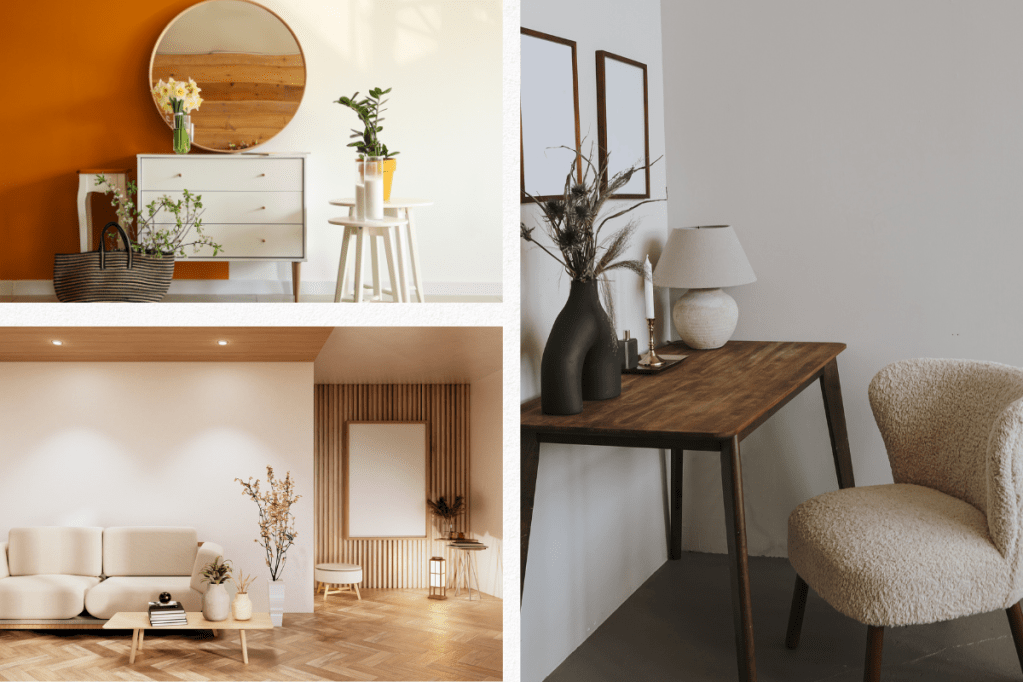
Introduction to Sustainable Furniture and Its Importance
Sustainable furniture is created from sustainable resources, intended to be eco-friendly, and manufactured sustainably. It reduces waste, energy use, and non-renewable resource use in furniture production and consumption. Sustainable furniture design includes social responsibility and economic viability to ensure that furniture workers are paid fairly and work in safe and healthy settings.
Sustainable furniture’s ability to reduce the furniture industry’s environmental and social implications makes it important. Deforestation, greenhouse gas emissions, and trash from furniture production are considerable. Sustainable furniture reduces the industry’s carbon footprint and promotes responsible resource use by employing sustainable materials and decreasing energy use. Sustainable furniture can also boost local economies and provide green manufacturing jobs.
Traditional furniture materials and coatings include hazardous chemicals that can cause respiratory problems and other health issues. Thus sustainable furniture helps create a better indoor environment. Sustainable furniture can enhance indoor air quality and provide a healthier living environment by using natural, non-toxic materials. Sustainable furniture is frequently made to last, supporting a more sustainable consumer culture and minimizing the need for regular replacement.
Sustainable furniture is a holistic approach to furniture design and manufacturing that promotes environmental and social responsibility. Sustainable furniture will become an increasingly important aspect of the furniture market, offering consumers a more sustainable and responsible choice as the world becomes more aware of the need for sustainable practices across all industries.
The Evolution of Sustainable Furniture Design in Singapore
Singapore’s furniture sector has traditionally supported environmental methods. In recent years, sustainable furniture design in Singapore has focused on using locally-sourced and renewable materials and sustainable manufacturing practices.
The government drives sustainable furniture design in Singapore. The government’s ambition for sustainable production and consumption is outlined in the Singapore Green Plan 2030, released in February 2021. As part of this plan, the government has established grants and funding programs for sustainable production and material use in furniture design.
Singapore’s sustainable furniture design is also driven by consumer demand. As consumers become more aware of their purchases’ environmental and social consequences, demand for sustainable and eco-friendly furniture has increased. This has increased the availability of sustainable furniture in Singapore, as many local designers and manufacturers use sustainable materials and processes.
Sustainable furniture design has also been promoted by Singapore’s design community. Designers and architects are using sustainable materials and procedures more in furniture design. This has raised awareness of sustainable furniture design and encouraged industry adoption.
Singapore’s sustainable furniture design shows a growing awareness of the need for sustainable practices across all industries. As the government, consumers, and designers and manufacturers prioritize sustainability, sustainable furniture is projected to grow in importance in Singapore and elsewhere.
The Role of Materials and Manufacturing Techniques in Sustainable Furniture Design
In sustainable furniture design, materials and production methods are crucial. Sustainable materials are renewable, recyclable, or low-impact and reduce the environmental impact of furniture manufacture. Reclaimed wood, bamboo, and recycled plastics are sustainable furniture materials.
Bamboo is a great alternative to wood since it grows quickly and needs little water and chemicals. Recycled wood is another popular choice since it lowers deforestation and fresh timber demand. Recycled plastics can be melted down and utilized to make robust, long-lasting furniture.
Sustainable furniture designers also employ energy- and waste-efficient manufacturing methods. 3D printing provides for precise and efficient manufacturing with minimal material waste. CNC machining also reduces material waste and is precise. Handcrafting and upcycling can also be used by eco-friendly furniture designers.
In conclusion, sustainable furniture design relies on material and manufacturing choices to create elegant, eco-friendly pieces. Designers may lessen the environmental impact of furniture manufacture and produce durable, eco-friendly items by employing sustainable materials and manufacturing methods.
Innovative Examples of Sustainable Furniture Design in Singapore
Sustainable furniture design is another area of innovation in Singapore. Singapore’s Hafary Unfolding House is a sustainable furniture design innovation. The Unfolding House is a modular furniture system composed of bamboo and recycled plastics. It’s versatile and flexible, so it can fit different lifestyles.
KARUP Design uses FSC-certified wood, bamboo, and organic cotton to make sustainable furniture in Singapore. With a focus on sustainability and little waste, their furniture is attractive and functional.
Another Singaporean sustainable furniture collection is d-Upcycle Bodhi’s Collection. The line is eco-friendly and attractive, created from recycled teak wood and iron. Functional and sustainable chairs, tables, and shelves are in the collection.
Finally, The Cinnamon Room’s eco-friendly Eco Sofa is composed of jute and cotton. The sofa is comfy and eco-friendly, with minimum waste and responsible manufacture.
These unique examples of sustainable furniture design in Singapore demonstrate the country’s dedication to sustainability and design quality and inspire designers and consumers worldwide to adopt sustainable furniture practices.
Challenges and Opportunities in the Production and Marketing of Sustainable Furniture
The furniture sector faces unique problems and opportunities in sustainable furniture production and marketing. Sustainable materials and production methods are expensive, which is a major issue. Sustainable materials like bamboo and recycled plastics may cost more than traditional materials, and sustainable manufacturing methods like 3D printing may require more advanced and expensive equipment. Sustainable furniture might be more expensive to produce and buy, which may deter some buyers.
Standardization and certification for sustainable furniture are other issues. Unlike food and textiles, there is no global standard for sustainable furniture, making it difficult for consumers to identify eco-friendly products. This lack of standardization can also make it difficult for designers and manufacturers to promote their sustainable furniture goods.
There are also many prospects in sustainable furniture production and marketing. Sustainable furniture is in high demand due to rising awareness of environmental and social issues. This need creates an opportunity for designers and producers to create creative, eco-friendly furniture that appeals to environmentally concerned consumers.
Sustainable furniture can also be offered as a premium product to people that appreciate eco-friendliness and high-quality design. Designers and manufacturers can attract loyal customers by presenting sustainable furniture as a luxury and ecologically friendly option.
Sustainable furniture production and marketing present both problems and opportunities for the furniture industry. Designers and manufacturers may make eco-friendly furniture for a growing market of environmentally concerned consumers by addressing the problems and taking advantage of the opportunities.
Conclusion
Sustainable furniture is made responsibly and holistically. It can reduce the furniture industry’s environmental and social consequences, encourage sustainable manufacturing and consumption, and boost local economies. Government initiatives, market demand, and design community activities are shaping sustainable furniture design in Singapore. Sustainable furniture will become more widespread as sustainable practices become more essential across all industries. Sustainable furniture is attractive, durable, and good for the environment.
Sustainable furniture design is an innovative and creative field that combines environmental responsibility with style and functionality. The role of materials and manufacturing techniques is crucial in creating eco-friendly furniture that is both stylish and sustainable. Innovative examples of sustainable furniture design in Singapore demonstrate the country’s commitment to sustainability and design excellence, and offer inspiration for designers and consumers around the world to embrace sustainable practices in the furniture industry. By using sustainable materials and manufacturing techniques, designers can create furniture pieces that are both beautiful and environmentally responsible, contributing to a more sustainable future for all.
Sustainable furniture production and marketing present distinct difficulties and opportunities for the furniture business. Designers and manufacturers can capitalize on the growing demand for eco-friendly items and the opportunity to promote sustainable furniture as a premium product despite the greater cost of sustainable materials and lack of standardization. The furniture sector may contribute to a better future by being more sustainable and responsible as the world becomes more conscious of the need for sustainable practices.
 Hey Singapore