
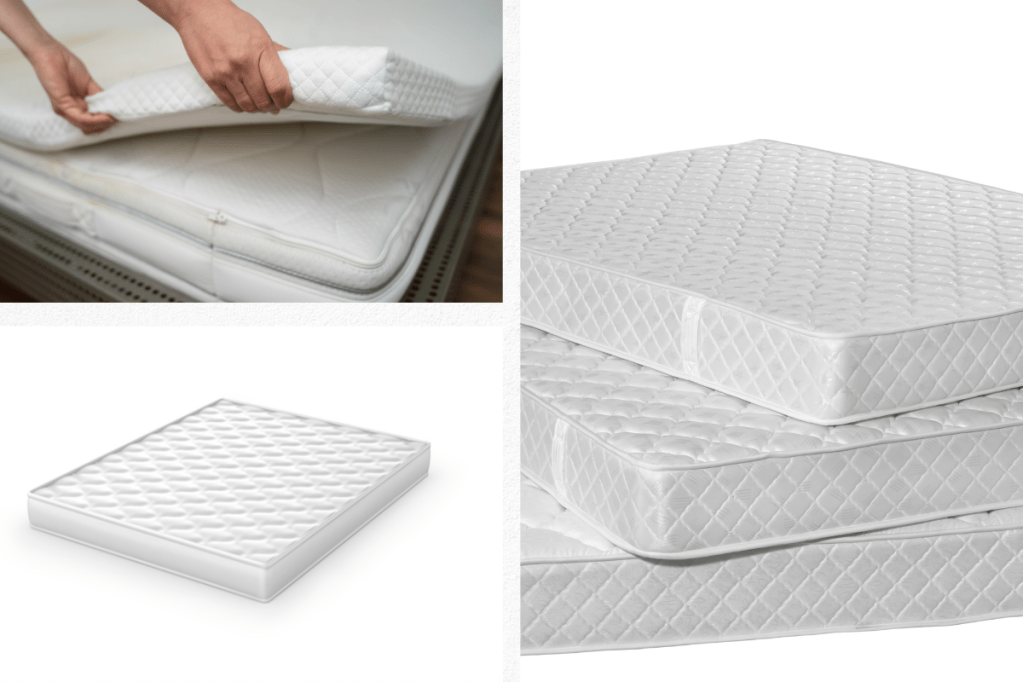
The search for the perfect mattress may be time-consuming and aggravating; I know. The complaint that a mattress is too firm is a prevalent one among consumers on the market for a replacement. There is no infallible answer to this problem, since what is too stiff for one individual may be exactly appropriate for another. In light of this, we will cover in depth the features of an overly firm mattress, as well as the signs that your current mattress is not fulfilling your demands..
Introduction
When it comes to obtaining a restful night’s sleep, selecting the proper mattress is crucial. Yet, the variety of available mattresses might make the selection process difficult. The hardness of their mattress is an issue that many individuals neglect. While some individuals like a firmer sleeping surface, it is essential that it not be excessively hard. In this article, we will cover the possible drawbacks of sleeping on a mattress that is too firm, such as back pain, discomfort, pressure buildup, and more. By keeping these negatives in mind while purchasing your next mattress, you may make a more educated choice.
Disadvantages of Overly Firm Mattresses
Beside pain, excessively firm beds have further downsides. A mattress that is excessively firm might really result in back discomfort and muscular soreness. It may also lead to a buildup of pressure in the joints and muscles, resulting in discomfort and stiffness. On a firm mattress, tossing and turning during the night might also disrupt a good night’s sleep. Inadequate support may also cause pain and discomfort in certain people, particularly those with joint or muscular problems. Although a firm mattress may work well for some, it is essential to determine the optimal amount of firmness to promote a restful night’s sleep.
Hard Mattresses Can Cause Back Pain
Inappropriate mattress usage is one of the most prevalent causes of back discomfort. Contrary to popular belief, an extremely firm mattress is not optimal for a good night’s sleep, according to recent research. A too-firm mattress might result in misalignment and undue pressure on the body’s pressure points. This lack of conformability creates spaces between the body and the bed, which may cause discomfort and stiffness. According to a 2003 research, a medium-firm mattress relieves lower back discomfort more effectively than an extremely firm mattress, which may generate additional pain and strain. It is essential to pick a mattress that supports the whole body, particularly the arch and alignment of the spine. Choose mattresses that are neither too hard nor too soft and adapt to the body’s contours.
Lack of Comfort and Softness on Firm Mattresses
In terms of comfort, a mattress that is excessively firm might be detrimental. Many persons who like a harder sleeping surface may find the absence of softness and cushioning acceptable, while for others, the pain is noticeable. In the lack of enough softness and comfort, some sleepers may spend the whole night tossing and turning, unable to find a comfortable resting posture. This might result in disturbed sleep, which in turn can affect their daytime energy and productivity. Considering the negative consequences of a lack of comfort and the pressure buildup on joints and muscles, it is evident that a mattress that is excessively firm may not be ideal for everyone.
Pressure Build-Up in Joints and Muscles
When a mattress is overly firm, pressure may accumulate in the joints and muscles. This increased pressure may create discomfort in the shoulders, hips, knees, and back. Moreover, a firm mattress may hinder circulation, making it harder for the body to relax and heal during sleep. When pressure builds up in the joints and muscles, stiffness and soreness may develop, making it more difficult to get a good night’s rest. To adequately support the body during sleep and prevent these negative repercussions, it is necessary to choose a mattress with the optimal degree of firmness.
Wrong Firmness Leads to Pain and Pressure
Incorrect mattress firmness levels may raise the risk of discomfort and pressure on various body areas. When a mattress is overly firm, your body weight is not distributed adequately, causing pressure to build up in the muscles and joints. This might result in discomfort and agony, which can be felt throughout the body. Incorrect firmness may also result in back discomfort, stiffness, and soreness, as well as tossing and turning that can interrupt your sleep routine. It is essential to choose a mattress with the appropriate amount of firmness to give comfort and support for your body, hence decreasing the risk of discomfort and pressure.
Tossing and Turning on Firm Mattresses
When a mattress is too firm, it can cause a lot of discomfort for sleepers. One of the most common problems that arise is tossing and turning throughout the night in an attempt to find a comfortable position. This can lead to disturbed sleep, which can be detrimental to a person’s overall health and wellbeing. In order to avoid these issues, it is important to choose a mattress that provides ample support and cushioning. A hybrid mattress with a layer of memory foam or latex can offer the flexibility and contour needed for a good night’s sleep. It is also important to pay attention to the firmness rating of a mattress, as a rating that is too high can cause unnecessary pressure on pressure points, leading to discomfort and pain. By selecting a mattress that is just right for their needs, sleepers can improve the quality of their rest and avoid the problems associated with overly firm mattresses.
Soreness and Stiffness from Firm Mattresses
Soreness and stiffness from firm mattresses can greatly impact one’s quality of sleep and overall health. While some people may believe that a firm mattress is good for the back, sleeping on a mattress that is too firm can lead to discomfort and pain. When the body is forced to sleep on an unforgiving surface, it can’t properly sink in and align with the natural curves of the spine. This can result in soreness and stiffness of the joints and muscles, especially in sensitive areas like the hips and shoulders. As a result, it’s important to find a mattress that offers the right level of support and comfort in order to promote restful sleep and minimize any discomfort or pain.
Lack of Proper Support Causes Pain
When a mattress is too firm, it can lack the necessary support to alleviate pressure points in the body. Without proper support, muscles and joints can become strained and sore, leading to pain and discomfort. The lack of pressure relief also means that the body is unable to fully relax and can result in tossing and turning throughout the night. It’s important to find a balance between support and comfort to avoid any potential pain or stiffness caused by an overly firm mattress. While some people may prefer a firmer sleeping surface, it’s important to also consider the individual’s weight, sleeping position, and any specific health concerns that may affect their sleep quality.
Conclusion
In conclusion, it is important to note that while firm mattresses are great for some people, they may not be suitable for everyone. The disadvantages of overly firm mattresses include back pain, lack of comfort and softness, pressure build-up in joints and muscles, pain and pressure, tossing and turning, soreness and stiffness, and lack of proper support. It is crucial to choose a mattress that balances comfort and support to prevent any negative effects on the body. Investing in a mattress that is suitable for one’s body type and sleeping position is the key to a good night’s sleep and waking up refreshed and pain-free.
 Hey Singapore