
Utility cabinets are essential storage solutions for households, offices, and industrial settings. They are designed to store various items, including tools, cleaning supplies, equipment, and materials, in a safe and organized manner. A utility cabinet can help you declutter your space, reduce hazards, and increase productivity by providing easy access to the items you need. In this ultimate guide, we will cover everything you need to know about utility cabinets, from choosing the right one to organizing and maintaining it.
Table of Contents
- Introduction to Utility Cabinets
- Types of Utility Cabinets
- Standalone Utility Cabinets
- Wall-Mounted Utility Cabinets
- Rolling Utility Cabinets
- Custom Utility Cabinets
- Choosing the Right Utility Cabinet
- Consider Your Storage Needs
- Evaluate Your Space
- Assess Your Budget
- Look for Quality and Durability
- Organizing Your Utility Cabinet
- Group Similar Items Together
- Use Labels and Dividers
- Optimize the Space
- Regularly Clean and Declutter
- Maintaining Your Utility Cabinet
- Check for Damage and Wear
- Lubricate Moving Parts
- Replace Broken Parts
- Follow Manufacturer Instructions
- Conclusion
- FAQs
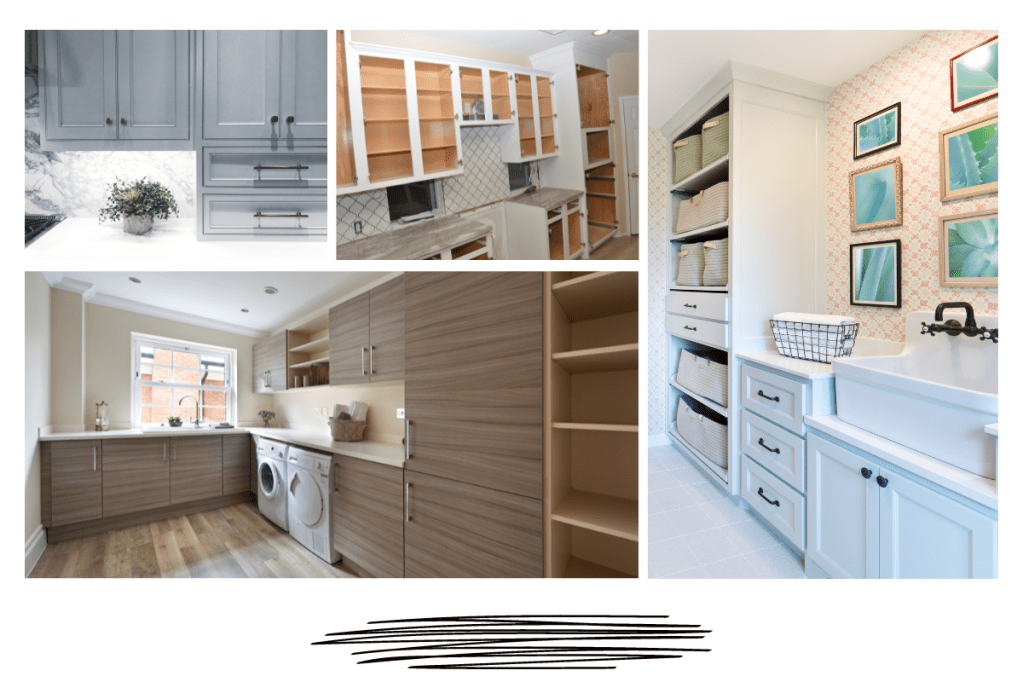
1. Introduction to Utility Cabinets
Utility cabinets are versatile storage units that can be used in various settings, including homes, garages, offices, and workshops. They are typically made of metal, wood, plastic, or a combination of these materials, and come in different sizes, shapes, and designs. Utility cabinets can have shelves, drawers, doors, locks, and wheels, depending on the intended use and preference of the user. They are used to store tools, cleaning supplies, equipment, and other items that need to be organized and accessible.
2. Types of Utility Cabinets
Utility cabinets come in different types, each with its unique features and benefits. Here are the most common types of utility cabinets:
2.1 Standalone Utility Cabinets
Standalone utility cabinets are free-standing units that can be placed anywhere in a room. They are usually large and have multiple shelves, drawers, or compartments for storage. Standalone utility cabinets are ideal for storing large and heavy items, such as power tools, machinery, and equipment.
2.2 Wall-Mounted Utility Cabinets
Wall-mounted utility cabinets are attached to the wall and can be installed at any height. They are perfect for storing items that need to be within easy reach, such as cleaning supplies, gardening tools, and small equipment. Wall-mounted utility cabinets are space-saving and can be customized to fit any size or style of the room.
2.3 Rolling Utility Cabinets
Rolling utility cabinets have wheels and can be easily moved from one place to another. They are ideal for workshops, garages, and other areas where mobility is essential. Rolling utility cabinets can be used to store items that need to be frequently accessed, such as tools and supplies for DIY projects.
2.4 Custom Utility Cabinets
Custom utility cabinets are designed to fit specific needs and preferences of the user. They can be made of any material, size, shape, and design. Custom utility cabinets are perfect for unique storage requirements, such as storing musical instruments, sports equipment, or collectibles.
3. Choosing the Right Utility Cabinet
Choosing the right utility cabinet requires considering several factors, such as storage needs, space availability, budget, and quality. Here are some tips to help you choose the right utility cabinet:
3.1 Consider Your Storage Needs
The first step in choosing a utility cabinet is to determine what you need to store. Consider the types and sizes of the items you plan to store in the cabinet. This will help you choose the appropriate size, number of shelves, and other features.
3.2 Evaluate Your Space
The next step is to assess the space where you plan to put the utility cabinet. Measure the available space and consider any obstacles or obstructions that may affect the placement of the cabinet. This will help you determine the size and style of the cabinet that will fit best in the space.
3.3 Assess Your Budget
Utility cabinets come in a wide range of prices, from budget-friendly to high-end options. Determine your budget for the utility cabinet and look for options that fit within that range. Keep in mind that higher-priced options may offer better quality and durability.
3.4 Look for Quality and Durability
When choosing a utility cabinet, look for high-quality materials and construction. Cabinets made of metal or wood are generally more durable than those made of plastic. Consider the weight capacity of the shelves and drawers, as well as the locking mechanism, if applicable.
4. Organizing Your Utility Cabinet
Once you have chosen the right utility cabinet, the next step is to organize it efficiently. Here are some tips for organizing your utility cabinet:
4.1 Group Similar Items Together
Group similar items together and store them in the same area of the cabinet. This will make it easier to find what you need and keep your cabinet organized.
4.2 Use Labels and Dividers
Use labels and dividers to separate items and keep them organized. Label shelves and drawers with the contents, and use dividers to separate smaller items or tools.
4.3 Optimize the Space
Make the most of the available space by using the entire height and depth of the cabinet. Install additional shelves or hooks if needed to maximize storage space.
4.4 Regularly Clean and Declutter
Regularly clean your utility cabinet and remove any items that are no longer needed. This will help keep the cabinet organized and prevent clutter from building up.
5. Maintaining Your Utility Cabinet
To ensure that your utility cabinet lasts for a long time, it’s important to maintain it regularly. Here are some tips for maintaining your utility cabinet:
5.1 Check for Damage and Wear
Regularly check your utility cabinet for any signs of damage or wear. Repair or replace any broken or damaged parts immediately to prevent further damage.
5.2 Lubricate Moving Parts
If your utility cabinet has moving parts, such as drawers or wheels, lubricate them regularly to ensure smooth operation.
5.3 Replace Broken Parts
If any parts of your utility cabinet become damaged or broken, replace them as soon as possible. This will help prevent further damage and ensure the cabinet remains safe and functional.
5.4 Follow Manufacturer Instructions
Follow the manufacturer’s instructions for cleaning and maintaining your utility cabinet. This will ensure that you are taking the necessary steps to keep your cabinet in good condition.
6. Conclusion
Utility cabinets are essential storage solutions that can help you keep your space organized and tidy. When choosing a utility cabinet, consider your storage needs, space availability, budget, and quality. Organize your utility cabinet efficiently by grouping similar items together, using labels and dividers, optimizing the space, and regularly cleaning and decluttering. Finally, maintain your utility cabinet by checking for damage and wear, lubricating moving parts, replacing broken parts, and following manufacturer instructions.
7. FAQs
- Q: Can I use a utility cabinet outdoors? A: It depends on the material and construction of the cabinet. Cabinets made of metal or plastic can generally be used outdoors, but wood cabinets may not be suitable for outdoor use.
- Q: How do I choose the right size utility cabinet? A: Consider the size and types of items you plan to store in the cabinet, as well as the available space in your home or garage. Measure the space and choose a cabinet that fits comfortably in the area.
- Q: Can I customize the shelves and drawers in my utility cabinet? A: Some utility cabinets allow for customization, such as adjustable shelves or the ability to add dividers. Check the product specifications to see if customization is possible.
- Q: How do I clean my utility cabinet? A: Use a mild detergent and warm water to clean the cabinet. Avoid using abrasive cleaners or harsh chemicals that can damage the material.
- Q: How often should I maintain my utility cabinet? A: Regular maintenance is important to keep your utility cabinet in good condition. Check for damage and wear, lubricate moving parts, and clean and declutter the cabinet regularly.
 Hey Singapore