
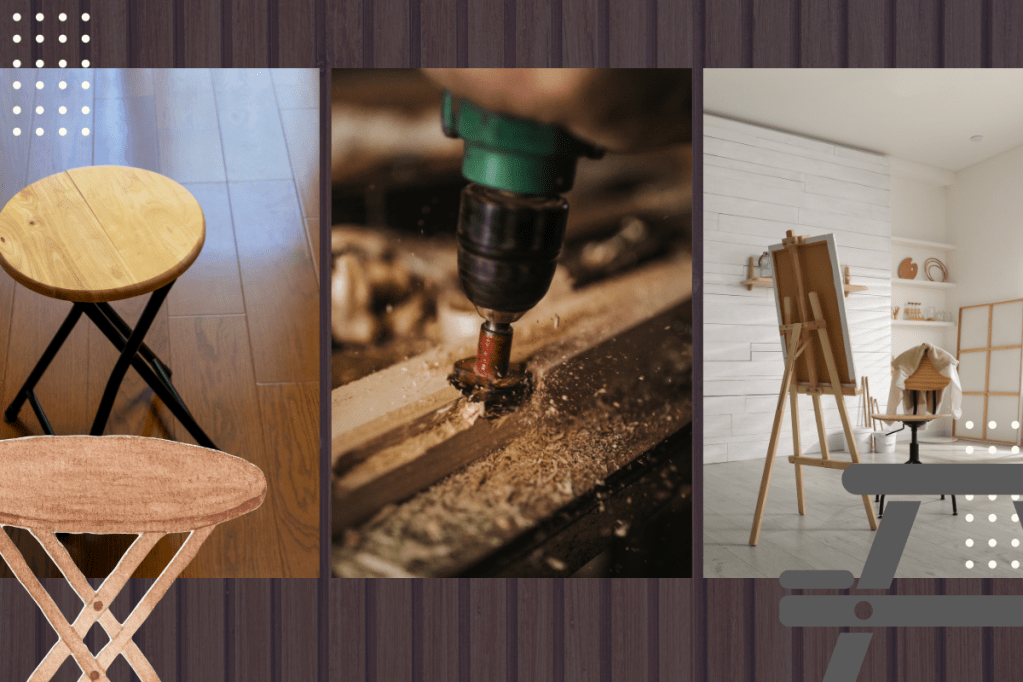
Foldable wood, also known as flexible wood or bendable wood, refers to a type of wood that can be bent and shaped into various forms and angles without breaking or cracking. This type of wood is typically used in furniture design and construction, as well as in other decorative and functional applications.
There are different methods used to make wood flexible, including steam-bending and lamination. Steam-bending involves heating the wood until it becomes pliable and then bending it into the desired shape. Lamination involves layering thin strips of wood together with glue and then applying pressure to the layers to create a curved or bent shape.
Foldable wood can be made from a variety of wood species, including oak, ash, birch, and maple, among others. The specific wood type used depends on the desired characteristics of the final product, such as its strength, durability, and appearance.
One of the main advantages of foldable wood is its ability to create unique and innovative designs that would be difficult or impossible to achieve with traditional, rigid wood materials. Foldable wood also has a lower risk of cracking or breaking compared to solid wood, making it a more reliable material for furniture and other applications.
In conclusion, foldable wood is a versatile and innovative material that offers a range of design possibilities and benefits. Its ability to bend and shape without breaking makes it an attractive option for furniture makers, designers, and architects looking to create unique and functional pieces.
Foldable wood has been used for centuries in various cultures around the world, particularly in the creation of chairs and other seating furniture. In the 19th and early 20th centuries, the use of foldable wood was particularly popular in the production of steamship and railroad furniture, where space-saving designs were necessary.
Today, foldable wood is used in a variety of applications, including the production of curved architectural elements such as arches, domes, and vaults. It is also used in the creation of musical instruments, particularly in the production of acoustic guitars, where it is used for the sides and backs of the instruments.
One of the best-known applications of foldable wood is in the creation of the iconic Thonet chair. This chair, designed by Michael Thonet in the mid-19th century, is made from bentwood and is considered a masterpiece of functional design. The Thonet chair is still in production today and is widely regarded as a design classic.
In addition to its aesthetic and functional properties, foldable wood is also a sustainable material choice. It is a renewable resource and can be sourced from responsibly managed forests. Furthermore, the process of creating foldable wood requires less energy than traditional wood processing methods, making it a more environmentally friendly option.
In conclusion, foldable wood is a versatile and sustainable material that offers a range of benefits in furniture design and construction, as well as in other applications such as architecture and musical instrument production. Its unique properties make it an attractive option for designers and architects looking to create innovative and functional pieces that push the boundaries of traditional woodcraft.
When using foldable wood in furniture construction, it is important to consider the strength and durability of the material. While foldable wood is less likely to crack or break than traditional wood, it may still have a limit to the amount of weight it can support. Proper reinforcement and support should be incorporated into the design to ensure the furniture is safe and durable.
In addition to its functional properties, foldable wood also has aesthetic benefits. The curved and flowing shapes created by the material can add a unique and organic element to furniture and architectural designs. The natural grain patterns of the wood can also be highlighted and enhanced by the bending and shaping processes.
When designing with foldable wood, it is important to work with experienced and skilled craftsmen who understand the intricacies of working with the material. The process of creating foldable wood requires a combination of technical skill and artistic vision to achieve the desired results.
Overall, foldable wood is a unique and innovative material that offers a range of benefits in furniture design and construction, as well as in other creative applications. Its ability to bend and shape without breaking makes it a versatile and reliable choice for designers and architects looking to create functional and beautiful pieces. With proper planning and execution, foldable wood can be used to create furniture and architectural designs that are both aesthetically pleasing and functional.
There are a few factors to consider when choosing foldable wood for a particular application. The type of wood used, as well as the specific process used to make it flexible, can impact the strength, durability, and overall quality of the final product.
The thickness and size of the wood strips used in the lamination process can also affect the flexibility and bending capabilities of the material. Thinner strips will generally result in a more pliable and flexible material, while thicker strips will be sturdier and stronger but less flexible.
It is important to note that while foldable wood is a durable and reliable material, it is still susceptible to damage from moisture, excessive heat, and other environmental factors. Proper care and maintenance should be taken to ensure the longevity and quality of the material.
In conclusion, foldable wood is a unique and versatile material that offers a range of benefits in furniture design and construction, as well as in other creative applications. Its ability to bend and shape without breaking makes it an attractive option for designers and architects looking to create innovative and functional pieces. With proper planning and execution, foldable wood can be used to create furniture and architectural designs that are both aesthetically pleasing and functional while also being sustainable and environmentally friendly.
When working with foldable wood, it is important to understand the various techniques used to create the material. One popular method is steam bending, which involves exposing the wood to steam in order to soften and make it more pliable. The wood is then bent into the desired shape and allowed to cool and harden in that position.
Another technique is laminating, which involves layering thin strips of wood together with glue or other adhesives. This process creates a strong and flexible material that can be bent and shaped without breaking.
In addition to these traditional techniques, new methods of creating foldable wood are also being developed, such as using computer-controlled machines to shape the wood and create intricate designs.
When designing with foldable wood, it is important to consider the unique properties and characteristics of the material. Its ability to bend and shape without breaking can be used to create fluid and organic designs, but it is also important to ensure the structural integrity of the piece.
Overall, foldable wood is a unique and innovative material that offers a range of benefits in furniture design and construction, as well as in other creative applications. Its versatility, strength, and sustainability make it an attractive option for designers and architects looking to push the boundaries of traditional woodcraft. With proper planning and execution, foldable wood can be used to create functional and beautiful pieces that stand the test of time.
 Hey Singapore