
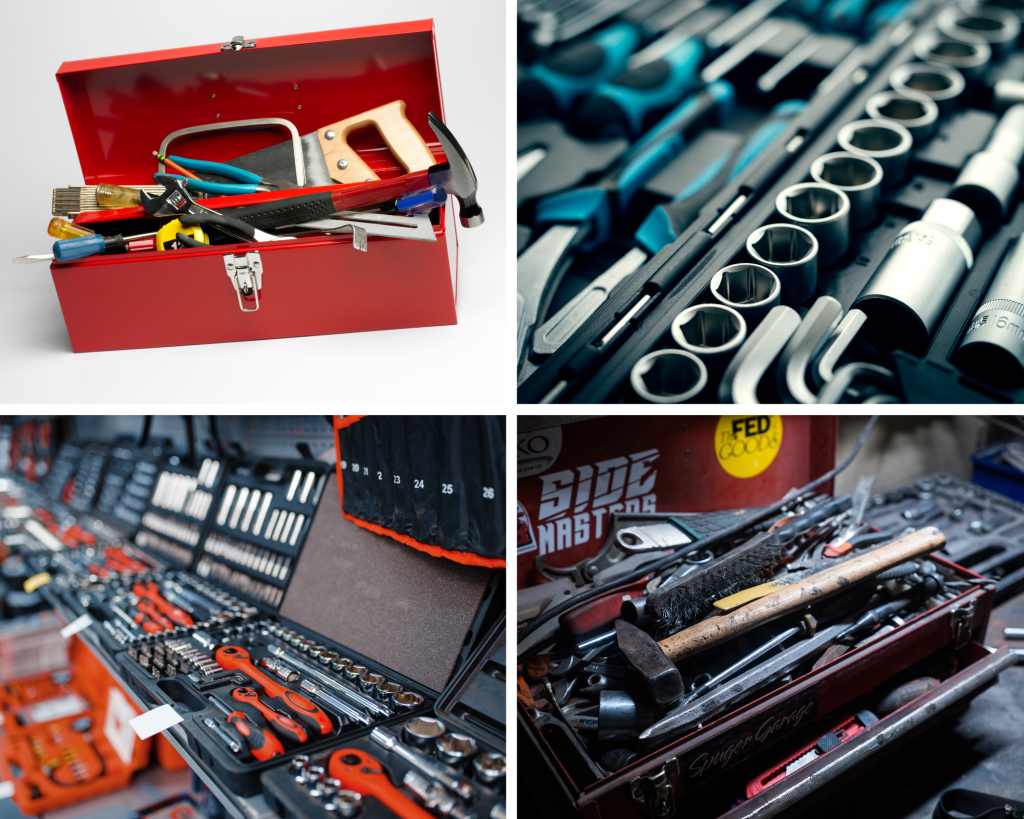
When it comes to finding the right tool box, there are a few things to consider. First and foremost, think about what type of tools you need to store. If you have a large collection of hand tools or power tools, you’ll need a tool box with plenty of compartments and space. On the other hand, if you only have a few tools or need a tool box for a specific project, a smaller option may be more practical.
Next, consider your budget. Tool boxes range in price from very affordable to quite expensive, depending on their size, materials, and features. While it may be tempting to go for the cheapest option, keep in mind that a good tool box is an investment that will protect your tools and make your work easier.
Another factor to consider is portability. If you need to take your tools on the go, a lightweight, portable tool box is essential. Look for options with comfortable handles or wheels for easy transport.
Finally, think about any special features you may need. For example, some tool boxes come with built-in locks or are designed to be waterproof or fireproof. Others may have customizable compartments or inserts to help you keep your tools organized.
By considering these factors, you can narrow down your options and find the perfect tool box for your needs. Whether you’re a DIY enthusiast, a professional mechanic, or just need a place to store your tools at home, there’s a tool box out there that’s right for you.
When it comes to tool boxes, there are many different types available to choose from. Here are some of the most common types you may encounter:
- Metal tool boxes: These traditional tool boxes are typically made from steel or aluminum and are known for their durability and strength. They often have multiple compartments and drawers for organization and come in a range of sizes.
- Plastic tool boxes: Lightweight and affordable, plastic tool boxes are a popular choice for DIYers and homeowners. They come in a variety of colors and styles and are often stackable for easy storage.
- Rolling tool boxes: These tool boxes come with wheels or casters, making them easy to move around your workspace or transport to job sites. They may have multiple drawers or compartments and can be made from metal or plastic.
- Tool bags: For those who need to travel light, tool bags offer a compact and portable solution. They often have multiple pockets and compartments and can be made from canvas, nylon, or leather.
- Tool chests: Designed for professional mechanics, tool chests are large, stationary storage units that often have multiple drawers and compartments. They are typically made from metal and can be quite heavy and expensive.
- Truck tool boxes: These tool boxes are designed to fit in the bed of a pickup truck and are often made from aluminum or stainless steel. They offer a secure and weather-resistant storage solution for tools and equipment on the job site.
If you’re in the market for a tool box, there are many places to purchase them both in-store and online. Here are some of the best places to start your search:
- Home improvement stores: Large chain stores like Home Depot, Lowe’s, and Menards offer a wide selection of tool boxes in various sizes, styles, and materials. They often have knowledgeable staff who can help you choose the right option for your needs.
- Hardware stores: Local hardware stores are also a good place to look for tool boxes. They may have a smaller selection than the big-box stores, but they often offer more personalized service and can help you find unique or hard-to-find options.
- Online retailers: There are many online retailers that specialize in tool boxes, such as Amazon, Northern Tool, and Zoro. These websites offer a wide selection and often have customer reviews to help you make an informed decision.
- Manufacturer websites: If you have a specific brand of tool box in mind, it’s worth checking out the manufacturer’s website to see their full selection and any special deals or promotions they may be offering.
- Secondhand options: If you’re on a tight budget, consider checking out secondhand options like Craigslist, eBay, or local Facebook buy/sell/trade groups. You may be able to find a used tool box in good condition for a fraction of the cost of a new one.
Choosing the right tool box can be a daunting task, but by considering the following factors, you can narrow down your options and find the one that best meets your needs:
- Size: Consider the size of your tools and how much storage space you need. Choose a tool box that is large enough to hold all of your tools, but not so large that it’s difficult to transport or store.
- Material: Think about the type of work you’ll be doing and choose a material that is durable and appropriate for your needs. Steel and aluminum are strong and durable, while plastic is lightweight and affordable.
- Portability: If you need to transport your tools to different job sites or around your workspace, consider a tool box that is lightweight and has wheels or handles for easy mobility.
- Organization: Look for a tool box with compartments or drawers that will keep your tools organized and easy to find. Some tool boxes also come with removable trays or dividers to customize the storage space.
- Security: If you need to keep your tools secure, choose a tool box with locking mechanisms or reinforced corners.
- Budget: Tool boxes come in a wide range of prices, so consider your budget when making a decision. Keep in mind that investing in a high-quality tool box may save you money in the long run by protecting your tools from damage and theft.
By considering these factors, you can narrow down your options and find the tool box that best meets your needs and budget.
Having the right tool box is crucial for any DIY project, mechanic job, or handyman task. Not only does it protect your tools from damage and wear, but it also helps keep them organized and easily accessible. However, with so many options available, it can be overwhelming to choose the right one.
To start your search, it’s important to consider your specific needs and preferences. What types of tools do you have? How many do you need to store? Do you need to transport them frequently? Answering these questions will help narrow down the options and ensure you choose a tool box that meets your requirements.
Once you have an idea of what you’re looking for, it’s time to research different types of tool boxes. Traditional metal tool boxes are a popular choice, but there are also plastic, wooden, and hybrid options available. Each material has its own benefits and drawbacks, so consider which one would work best for your needs.
Another important factor to consider is the size of the tool box. Make sure it’s big enough to hold all your tools, but not so large that it becomes difficult to transport or store. Consider the space you have available and how the tool box will fit into it.
Portability is another key factor to consider. If you need to transport your tools frequently, a tool box with wheels or a handle can make the process much easier. However, if you only need to move your tools occasionally, a non-wheeled tool box may be sufficient.
Organization is also important when choosing a tool box. Look for one with compartments or drawers that will keep your tools organized and easy to find. Some tool boxes also come with removable trays or dividers to customize the storage space.
Security is another consideration, especially if you’re storing valuable or dangerous tools. Look for a tool box with a sturdy lock or latch to keep your tools safe.
Finally, it’s important to consider your budget. Tool boxes can vary widely in price, so set a budget that works for you and consider investing in a high-quality tool box that will protect your tools and last for years.
Whether you choose to purchase your tool box in-store or online, make sure to read customer reviews and compare prices and features to ensure you’re making an informed decision. With the right tool box, you can protect your tools, stay organized, and make your next project a success.
 Hey Singapore