
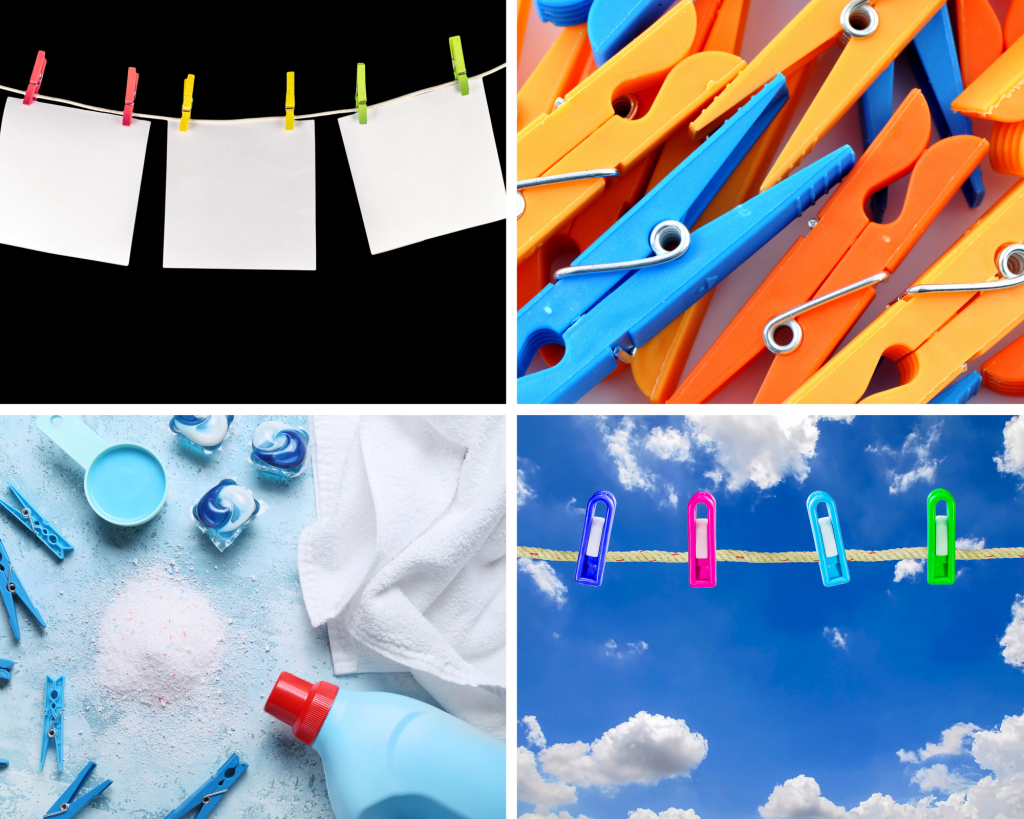
Clothes pegs are an important tool for anyone who wants to hang their laundry to dry. They are designed to securely fasten clothes to a clothesline or drying rack, preventing them from slipping or falling off. Clothes pegs are available in a variety of shapes, sizes, and materials, making it easy to find the perfect ones for your needs.
Wooden clothes pegs are a popular option because they are durable and environmentally friendly. They are typically made from renewable sources like birch or bamboo and can last for several years with proper care. Some wooden pegs also come with a protective coating to prevent them from splintering or cracking over time.
Plastic clothes pegs are another common choice, as they are affordable and easy to find. They are available in a range of colors and sizes, and can be used both indoors and outdoors. Plastic pegs are lightweight and resistant to weather damage, making them a great choice for those who frequently hang laundry outside.
Metal clothes pegs are the most durable option, as they are typically made from stainless steel or aluminum. They can withstand exposure to the elements and are less likely to break or deteriorate over time. However, metal pegs may leave rust marks on clothes if they are not properly cared for.
When shopping for clothes pegs, consider the size and shape of the pegs. Some pegs are designed to hold heavier items, such as blankets or towels, while others are more suitable for delicate fabrics like lingerie or silk. It is also important to consider the strength of the grip, as this will determine how securely the clothes are held in place.
In addition to their practical benefits, clothes pegs also have a number of environmental advantages. By hanging laundry to dry instead of using a dryer, you can reduce your energy consumption and lower your carbon footprint. Clothes pegs are also a reusable and eco-friendly alternative to disposable clothes hangers, which can end up in landfills.
Overall, clothes pegs are a simple but essential tool for anyone who wants to save money and reduce their environmental impact. By choosing the right type of pegs and using them properly, you can ensure that your clothes are hung securely and efficiently, no matter where you choose to dry them.
Types of Clothes Pegs
There are several types of clothes pegs available in the market. Each type has its own unique features and benefits. Here are some of the most common types:
Wooden Clothes Pegs
Wooden clothes pegs are the most traditional type of pegs. They are made of natural wood, and come in a variety of sizes. They are durable, eco-friendly, and biodegradable. However, they may not be suitable for use in damp conditions, as they may warp or crack.
Plastic Clothes Pegs
Plastic clothes pegs are the most popular type of pegs. They are made of durable plastic, and come in a variety of colors and sizes. They are lightweight, easy to use, and can be used both indoors and outdoors. However, they may not be as eco-friendly as wooden pegs, and may break easily.
Stainless Steel Clothes Pegs
Stainless steel clothes pegs are the most durable type of pegs. They are made of high-quality stainless steel, and come in a variety of sizes. They are rust-resistant, long-lasting, and can be used in all weather conditions. However, they may be more expensive than wooden or plastic pegs.
Factors to Consider When Buying Clothes Pegs
When buying clothes pegs, there are several factors that you should consider. Here are some of the most important ones:
Material
The material of the pegs is an important factor to consider. Wooden pegs are eco-friendly and biodegradable, but may not be suitable for damp conditions. Plastic pegs are lightweight and easy to use, but may not be as eco-friendly. Stainless steel pegs are durable and rust-resistant, but may be more expensive.
Size
The size of the pegs is another important factor to consider. Large pegs are suitable for hanging thick or heavy fabrics, while small pegs are suitable for delicate fabrics.
Grip
The grip of the pegs is also important. A strong grip will ensure that the pegs do not slip off the clothesline, while a weak grip may cause the clothes to fall off.
Color
The color of the pegs is a matter of personal preference. Some people prefer bright and colorful pegs, while others prefer more neutral colors.
Quantity
The quantity of the pegs is also important. If you have a large family or do a lot of laundry, you may need to buy a larger quantity of pegs.
Where to Buy Clothes Pegs
Clothes pegs are widely available in supermarkets, department stores, and online marketplaces. Here are some of the best places to buy clothes pegs:
Supermarkets
Supermarkets such as Walmart, Target, and Tesco sell clothes pegs in their household section. They offer a wide range of pegs at affordable prices.
Department Stores
Department stores such as Macy’s, JCPenney, and Kohl’s sell clothes pegs in their home goods section. They offer a variety of high-quality pegs at reasonable prices.
Online Marketplaces
Online marketplaces such as Amazon, eBay, and Etsy offer a wide range of clothes pegs from different brands and sellers. They offer competitive prices and fast delivery.
How to Use Clothes Pegs
Using clothes pegs is a simple and straightforward process. Here are some tips on how to use them:
- Start by selecting the right size pegs for the fabric you are hanging. Larger pegs are suitable for thicker fabrics, while smaller pegs are suitable for delicate fabrics.
- Pin the clothes firmly onto the clothesline. Ensure that the pegs have a strong grip on the fabric, so that the clothes do not slip or fall off.
- Hang the clothes in a way that allows them to dry evenly. For example, hang shirts by their shoulders and pants by their waistbands.
- When taking the clothes down from the line, remove the pegs gently to avoid damaging the fabric.
Benefits of Using Clothes Pegs
Using clothes pegs has several benefits. Here are some of the most important ones:
Energy and Cost Savings
By hanging your clothes to dry instead of using a dryer, you can save a significant amount of energy and money on your electricity bill.
Environmental Benefits
Hanging your clothes to dry is an eco-friendlier option than using a dryer. It reduces your carbon footprint and helps to conserve energy and resources.
Longer Lasting Clothes
Using a dryer can cause your clothes to shrink, fade, or wear out faster. Hanging your clothes to dry using pegs can help to extend their lifespan.
Versatile Use
Clothes pegs can be used for other purposes besides hanging laundry. They can be used for crafts, DIY projects, and even as chip bag clips.
Can clothes pegs damage my clothes?
If used improperly, clothes pegs can potentially damage your clothes. For example, if the pegs are too tight, they can leave imprints or marks on the fabric, especially on delicate or thin materials. Additionally, leaving clothes on the line for too long, especially in direct sunlight, can cause fading or discoloration. To prevent damage to your clothes, it is important to choose the right type of pegs for your needs and use them correctly. It is also recommended to avoid leaving clothes on the line for extended periods of time and to take them down as soon as they are dry.
 Hey Singapore