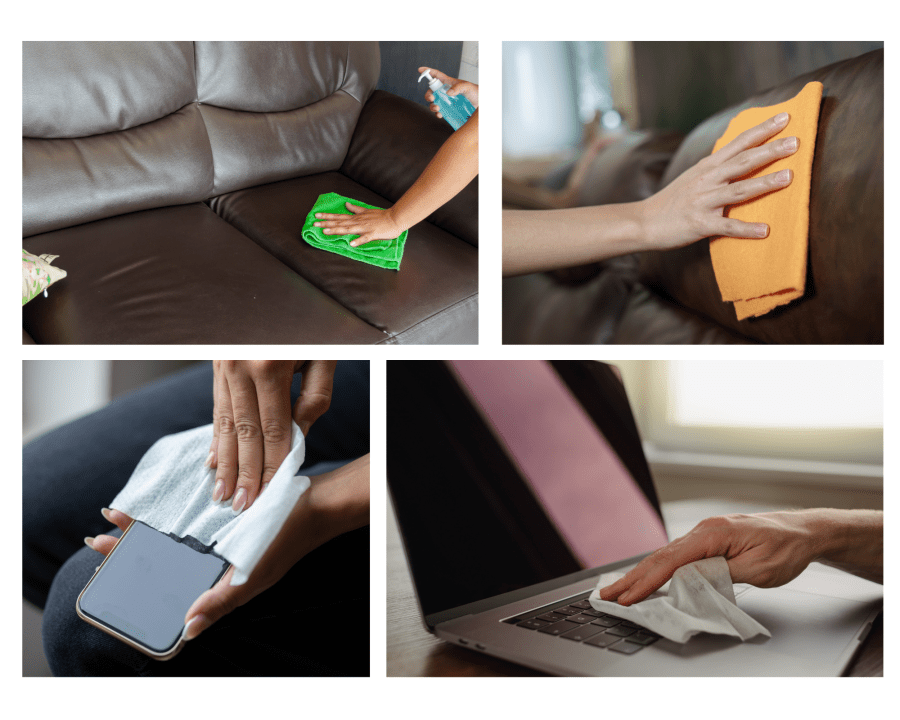
Leather has always been considered as a symbol of luxury and elegance, owing to its smooth texture, durability, and resistance to wear and tear. However, maintaining leather products can be a daunting task, especially when it comes to removing stains or spills. Wet wipes, which have become ubiquitous in our daily lives, are often touted as a convenient solution for cleaning various surfaces, including leather. However, using wet wipes on leather can cause irreparable damage and leave behind unsightly marks. In this article, we will explore the perils of wet wipes on leather and discuss alternative methods for maintaining the beauty of your leather products.
The Science behind Leather
Leather is derived from the hide of animals and undergoes a complex tanning process to attain its unique characteristics. The tanning process involves treating the raw hide with a solution of chemicals, such as chromium salts or vegetable tannins, which help to stabilize the proteins in the hide, making it more resistant to decay. Additionally, the tanning process imparts a distinctive color and texture to the leather, which sets it apart from other materials.
The Dangers of Wet Wipes on Leather
Wet wipes contain a mixture of chemicals, such as surfactants, preservatives, and fragrances, which are designed to clean and disinfect surfaces. While these chemicals may be effective on hard surfaces, they can cause severe damage to leather. The surfactants in wet wipes can strip the natural oils from the leather, leaving it dry and prone to cracking. Additionally, the preservatives and fragrances in wet wipes can cause discoloration and leave behind a residue that is difficult to remove.
Alternative Methods for Cleaning Leather
Use a damp cloth: Instead of using wet wipes, use a damp cloth to gently clean your leather products. Be sure to wring out the cloth thoroughly to avoid soaking the leather. You can also add a small amount of mild soap to the water to help remove any stubborn stains.
Use a leather cleaner: Leather cleaners are specifically formulated to clean and condition leather without causing any damage. Choose a cleaner that is designed for your type of leather, and follow the instructions carefully.
Use a leather conditioner: Leather conditioners help to restore the natural oils in the leather and keep it supple and soft. Apply the conditioner using a clean cloth and work it into the leather in a circular motion.
Seek professional help: If you are unsure about how to clean your leather products or if you have a particularly stubborn stain, it is best to seek the help of a professional. They will have the expertise and tools necessary to clean your leather products without causing any damage.
Caring for Leather Products
Avoid exposure to sunlight: Direct sunlight can cause the color of leather to fade and cause it to become brittle. Keep your leather products out of direct sunlight and store them in a cool, dry place.
Avoid exposure to water: Leather is not waterproof and can be damaged by prolonged exposure to water. If your leather product does get wet, be sure to dry it off as soon as possible and use a leather conditioner to restore the natural oils.
Use a protective spray: There are various protective sprays available that can help to repel water and stains from leather products. Be sure to choose a spray that is designed for your type of leather and follow the instructions carefully.
Common Mistakes to Avoid when Cleaning Leather
Using harsh chemicals: Harsh chemicals, such as bleach or ammonia, should never be used on leather as they can cause severe damage and discoloration.
Scrubbing vigorously: Scrubbing leather vigorously can cause scratches and damage to the surface of the leather. Instead, use a gentle, circular motion when cleaning.
Using too much water: Using too much water when cleaning leather can cause it to become saturated, leading to discoloration and damage. Be sure to use a damp cloth and wring it out thoroughly before cleaning.
Neglecting to condition: Conditioning leather is essential for maintaining its natural oils and preventing it from drying out and cracking. Be sure to condition your leather products regularly to keep them looking their best.
Tips for Maintaining Leather Products
Store leather products properly: Store leather products in a cool, dry place away from direct sunlight and moisture. Avoid storing leather products in plastic bags, as this can trap moisture and lead to mold growth.
Use a soft brush: Use a soft-bristled brush to remove any dust or dirt from your leather products. Be sure to brush gently to avoid scratching the surface of the leather.
Treat stains immediately: Treat any stains or spills on your leather products immediately to avoid them from setting in. Use a damp cloth and a mild soap to gently clean the affected area.
Rotate use: To avoid excessive wear and tear on one particular area of your leather product, rotate its use periodically. This will help to distribute the wear and tear evenly and extend the life of your leather product.
The Environmental Impact of Wet Wipes on Leather
In addition to the damage that wet wipes can cause to leather products, they also have a significant impact on the environment. Most wet wipes are made from a combination of plastic and synthetic materials that are not biodegradable, which means they can take years to decompose in landfills. When wet wipes are disposed of improperly, they can end up in our waterways and oceans, causing harm to marine life and the environment.
Alternatives to Wet Wipes
Microfiber cloths: Microfiber cloths are a great alternative to wet wipes as they are reusable, machine washable, and can effectively clean surfaces without the need for harsh chemicals.
Vinegar and water solution: A solution of vinegar and water can be an effective and eco-friendly way to clean various surfaces, including leather. Simply mix equal parts of vinegar and water in a spray bottle and use a clean cloth to gently clean the surface.
Homemade cleaning solutions: There are various homemade cleaning solutions that you can make using natural ingredients, such as baking soda, lemon juice, and essential oils. These solutions are not only effective but are also environmentally friendly.
The Importance of Ethical Leather Production
It is important to consider the ethical implications of leather production when purchasing leather products. Leather production can have negative impacts on the environment, animal welfare, and the health and safety of workers. Therefore, it is essential to support brands that prioritize ethical and sustainable leather production.
Sustainable Leather Production Practices
Use of eco-friendly tanning methods: Some leather brands use eco-friendly tanning methods, such as vegetable tanning, which uses natural materials instead of harmful chemicals.
Sourcing leather from responsible suppliers: Brands that source leather from responsible suppliers ensure that animal welfare standards are met, and the leather is produced in an ethical and sustainable manner.
Reduction of waste: Sustainable leather brands also aim to reduce waste by repurposing leather scraps and using them to create smaller leather goods, such as wallets and keychains.
Ethical Alternatives to Leather
For those who want to avoid leather products altogether, there are various ethical and sustainable alternatives available. These include:
Cork: Cork is a natural, sustainable, and eco-friendly material that is often used as a leather alternative. It is durable, water-resistant, and hypoallergenic.
Piñatex: Piñatex is a leather alternative made from pineapple leaves that are discarded from the pineapple farming industry. It is a sustainable and cruelty-free alternative to leather that is durable, water-resistant, and breathable.
Mushroom leather: Mushroom leather, also known as mycelium leather, is a sustainable and eco-friendly alternative to leather that is made from the roots of mushrooms. It has a similar texture to leather and can be used to create a variety of products.
The Future of Leather Production
As consumers become more aware of the environmental and ethical implications of leather production, there is a growing demand for sustainable and ethical alternatives. Therefore, the future of leather production is likely to focus on ethical and sustainable practices, such as:
Development of bio-leather: Bio-leather is a sustainable and eco-friendly alternative to traditional leather that is made from biodegradable materials, such as collagen produced from fermented yeast.
Use of recycled leather: Recycled leather, which is made by grinding up scraps of leather and bonding them together with a binding agent, is another sustainable alternative to traditional leather.
Development of innovative technologies: Innovative technologies, such as 3D printing and lab-grown leather, have the potential to revolutionize the leather industry by providing sustainable and cruelty-free alternatives to traditional leather.
Conclusion:
The future of leather production is likely to focus on ethical and sustainable practices that reduce the environmental impact of leather production and promote ethical consumption. By supporting brands that prioritize ethical and sustainable leather production practices, we can help to create a more sustainable and ethical future for the leather industry. Additionally, by exploring and supporting ethical alternatives to traditional leather, we can reduce our environmental footprint and promote responsible consumption.
 Hey Singapore