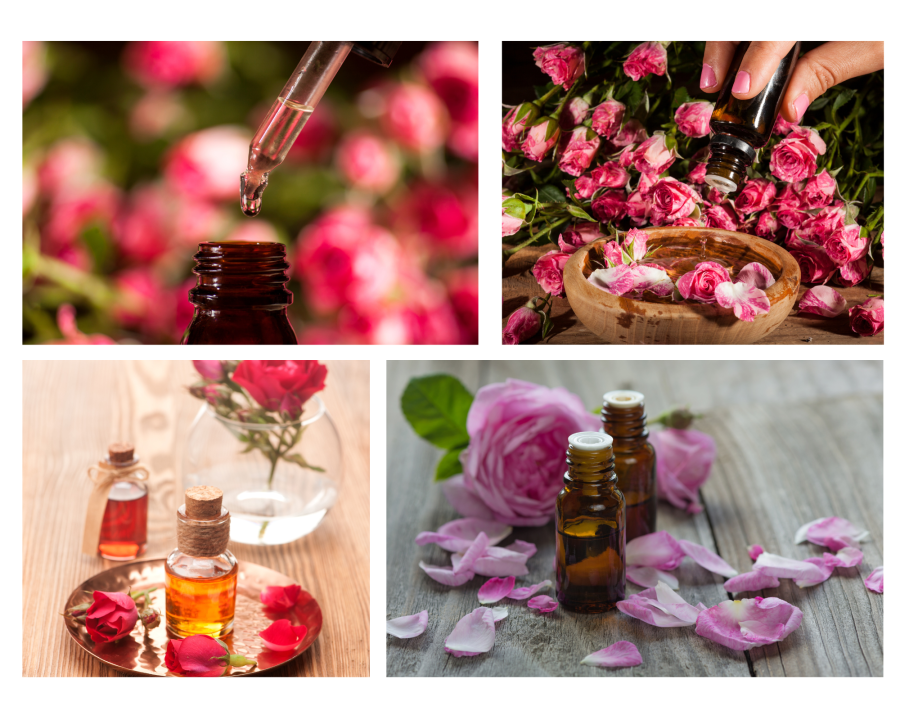
Since time immemorial, the allure of roses has been undeniable. From their captivating fragrance to their exquisite beauty, roses have always held a special place in our hearts. The rose flower, also known as the “Queen of Flowers,” is not just aesthetically pleasing but also holds immense therapeutic and medicinal properties. One of the most potent forms of rose, the rose essential oil, has been treasured for centuries for its diverse applications in aromatherapy, skincare, and culinary practices. In this article, we delve into the enchanting elixir of roses and explore the essence of rose essential oil.
The Rose Essential Oil – Aroma and Extraction:
Rose essential oil, also known as rose otto, is extracted from the petals of Rosa damascena, a species of rose that is native to the Middle East. The extraction process involves steam distillation of the freshly harvested rose petals, which are delicate and prone to damage. Approximately, 5,000 pounds of rose petals are required to yield just one pound of rose essential oil, making it one of the most expensive essential oils in the world.
The aroma of rose essential oil is intense, floral, and deeply romantic. Its warm, sweet, and rich fragrance is not only captivating but also has a profound effect on the human psyche. The aroma of rose essential oil has been scientifically proven to induce a feeling of relaxation, tranquility, and happiness. It is also believed to have a positive impact on emotional well-being and can be used as a natural remedy for anxiety, stress, and depression.
The Therapeutic Properties of Rose Essential Oil:
Rose essential oil is known for its therapeutic properties and has been used for centuries to promote physical and emotional well-being. The oil is rich in a variety of beneficial compounds, including citronellol, geraniol, and nerol, which are responsible for its antiseptic, anti-inflammatory, and antioxidant properties.
The oil is also known for its analgesic and antispasmodic properties, making it an effective natural remedy for menstrual cramps, headaches, and muscle aches. Additionally, rose essential oil has a calming effect on the nervous system and can be used to promote restful sleep.
Skincare Benefits of Rose Essential Oil:
Rose essential oil is a popular ingredient in skincare products and has been used for centuries to promote healthy, glowing skin. The oil is rich in vitamins A, C, and E, which are essential for maintaining healthy skin. It also has astringent properties, making it an effective natural remedy for acne-prone skin.
The oil’s anti-inflammatory properties make it an excellent natural remedy for reducing skin redness, irritation, and inflammation. Its antioxidant properties help protect the skin from free radical damage, which can cause premature aging and skin damage. Rose essential oil is also effective in reducing the appearance of scars, fine lines, and wrinkles.
Culinary Applications of Rose Essential Oil:
Rose essential oil has a long history of use in culinary practices and is a popular ingredient in Middle Eastern, Indian, and Mediterranean cuisine. The oil is used to add a distinct floral flavor to dishes and is particularly popular in desserts and sweet dishes.
Rose essential oil is also used to make rosewater, a popular ingredient in Middle Eastern and Indian cuisine. Rosewater is used to flavor a variety of dishes, including rice pudding, baklava, and Turkish delight. Additionally, rose essential oil is used to flavor tea, cocktails, and other beverages.
The History and Symbolism of Roses:
Roses have been revered for their beauty and fragrance for thousands of years and have played a significant role in many cultures and traditions. The ancient Greeks believed that roses were created by the goddess Aphrodite, the goddess of love and beauty. In Roman mythology, the rose was associated with the goddess Venus, and roses were used in Roman celebrations and rituals.
In Christianity, the rose is a symbol of love, purity, and devotion. The Virgin Mary is often depicted with a rose, and the rose is also associated with the rosary, a prayer recitation that honors the Virgin Mary.
In Eastern cultures, the rose is a symbol of love, happiness, and prosperity. In Chinese culture, the rose is associated with good luck and is often given as a gift during the Lunar New Year. In Japan, the rose is a symbol of balance and harmony.
The Use of Rose Essential Oil in Aromatherapy:
Rose essential oil has been used in aromatherapy for centuries and is known for its therapeutic properties. The oil is believed to have a calming effect on the nervous system and can be used to promote relaxation, reduce stress, and alleviate anxiety and depression.
Rose essential oil is also known for its aphrodisiac properties and has been used to enhance romantic and sensual experiences. The oil’s rich and floral aroma creates a sensual and romantic atmosphere, making it a popular ingredient in massage oils and diffusers.
The Spiritual and Energetic Properties of Rose Essential Oil:
In addition to its therapeutic and skincare benefits, rose essential oil is also believed to have spiritual and energetic properties. The oil is believed to promote love, compassion, and forgiveness and is often used in spiritual practices such as meditation and prayer.
Rose essential oil is also believed to balance the heart chakra, which is associated with emotions such as love, compassion, and empathy. Balancing the heart chakra is believed to promote emotional healing, increase self-love, and improve relationships with others.
The Precautions and Side Effects of Rose Essential Oil:
While rose essential oil is generally considered safe, it is essential to use caution when using the oil. The oil is highly concentrated and should be diluted before use to avoid skin irritation and sensitization.
Rose essential oil should not be ingested, as it can be toxic. Pregnant women and children should also avoid using the oil without consulting a healthcare provider.
The Production and Trade of Rose Essential Oil:
The production of rose essential oil is a time-consuming and labor-intensive process. The oil is extracted through steam distillation of the rose petals, which are handpicked in the early morning when they are at their most fragrant. This process requires a large amount of rose petals, as much as 60,000 roses to produce just one ounce of oil.
Due to its high cost of production, rose essential oil is one of the most expensive essential oils in the world. The majority of rose essential oil production takes place in Bulgaria, Turkey, and Morocco, where the climate and soil conditions are ideal for growing roses.
The trade of rose essential oil is a lucrative industry, with demand for the oil increasing in recent years due to its therapeutic and skincare benefits. The oil is used in a variety of products, including perfumes, skincare products, and aromatherapy blends. The global market for rose essential oil is expected to grow in the coming years, with an increasing demand for natural and organic products.
The Sustainability and Ethics of Rose Essential Oil Production:
The production of rose essential oil is not without its challenges, as the high demand for the oil has led to concerns about the sustainability and ethics of production. The large amount of rose petals required to produce the oil means that rose plantations need to be managed sustainably to avoid overexploitation and depletion of resources.
There are also concerns about the working conditions of rose pickers, who are often underpaid and overworked. The Fair Trade movement has sought to address these issues by ensuring fair wages and working conditions for rose pickers and promoting sustainable practices in rose cultivation.
In addition, the use of pesticides and other chemicals in rose cultivation can have negative environmental and health impacts. To mitigate these concerns, organic and sustainable farming practices are being adopted by some rose growers, which promote the use of natural pest control methods and limit the use of harmful chemicals.
The Different Types of Rose Essential Oil:
Rose essential oil is derived from various species of roses, each with its unique aroma and therapeutic properties. The most common types of rose essential oil include Rosa damascena, Rosa centifolia, and Rosa gallica.
Rosa damascena, also known as the Damask rose, is one of the most commonly used species of roses for essential oil production. The oil has a rich, floral aroma and is known for its therapeutic properties, including its ability to reduce anxiety, depression, and stress.
Rosa centifolia, also known as the cabbage rose, is another popular species of rose used for essential oil production. The oil has a sweet, floral aroma and is known for its skincare benefits, including its ability to reduce the appearance of scars and fine lines.
Rosa gallica, also known as the French rose, is a species of rose that is native to Europe and Asia. The oil has a sweet, fruity aroma and is known for its astringent and anti-inflammatory properties, making it an effective natural remedy for acne-prone skin.
Each type of rose essential oil has its unique properties and benefits, making it important to choose the right type of oil for your needs.
Using Rose Essential Oil in DIY Recipes:
Rose essential oil is a popular ingredient in DIY skincare and aromatherapy recipes. Its rich aroma and therapeutic properties make it a valuable addition to a variety of homemade products, including facial serums, massage oils, and bath salts.
One popular DIY recipe is a facial serum that combines rose essential oil with carrier oils such as jojoba, almond, or avocado oil. This serum can be used to promote healthy, glowing skin and reduce the appearance of fine lines and wrinkles.
Another popular DIY recipe is a relaxing bath soak that combines rose essential oil with Epsom salts and dried rose petals. This bath soak can be used to promote relaxation, reduce stress, and soothe tired muscles.
When using rose essential oil in DIY recipes, it is essential to use caution and dilute the oil properly to avoid skin irritation or sensitization.
Conclusion:
Rose essential oil is a precious and versatile elixir that has been treasured for centuries for its enchanting aroma, therapeutic properties, skincare benefits, and spiritual and energetic properties. Its diverse applications in aromatherapy, skincare, culinary practices, and DIY recipes make it a valuable addition to any natural health and beauty regimen.
By understanding the history, symbolism, production, trade, sustainability, and ethics of rose essential oil, we can appreciate the beauty and benefits of this precious elixir while promoting sustainable and ethical practices in its production and use. Whether used for its therapeutic properties or its romantic and sensual aroma, the essence of roses is truly captivating and will continue to be cherished for generations to come.
 Hey Singapore