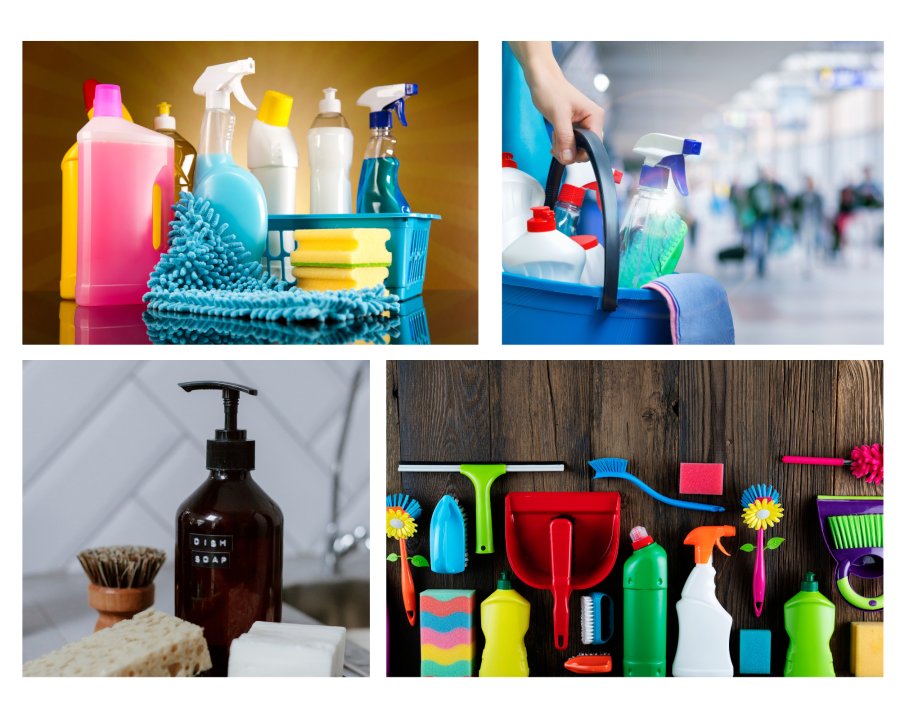
Cleaning is an art form that requires skill, precision, and a keen eye for detail. It is the act of purifying the physical realm and creating an environment that is both aesthetically pleasing and free from harmful toxins. From ancient times, humans have been using natural elements to clean their surroundings. Today, cleaning products have evolved into an extensive range of elixirs, potions, and solutions. But with the growing concern over environmental damage and health hazards, it is crucial to choose cleaning products that are safe, effective, and sustainable.
This article aims to explore the art of purification through a lens of cleaning products. It will delve into the history of cleaning, the types of cleaning products, and their impacts on the environment and health. It will also provide insights into some of the best cleaning products available in the market today, which are not only eco-friendly but also effective in removing dirt and grime.
The Evolution of Cleaning:
Cleaning is not a modern-day invention. Our ancestors have been using natural elements to clean their surroundings since ancient times. The early civilizations used natural products such as vinegar, lemon juice, and baking soda to clean their homes. In ancient Rome, they used urine as a cleaning agent for clothes due to its ammonia content. Similarly, the ancient Egyptians used natron, a mixture of baking soda and salt, to clean their mummies.
With the rise of industrialization and urbanization in the 19th century, cleaning products underwent a significant change. Soap, which was traditionally made from animal fat and lye, was replaced by synthetic detergents. In the 20th century, cleaning products became even more complex with the introduction of bleaches, disinfectants, and other specialized cleaning agents.
Types of Cleaning Products:
Cleaning products can be broadly categorized into two types – conventional and eco-friendly. Conventional cleaning products are made from synthetic chemicals that are often harmful to the environment and human health. They contain toxins such as ammonia, chlorine, and phthalates, which can cause respiratory problems, skin irritation, and other health issues. These products are also non-biodegradable and contribute to water pollution and other environmental problems.
On the other hand, eco-friendly cleaning products are made from natural and biodegradable ingredients that are safe for human health and the environment. They are free from harmful toxins and chemicals and do not contribute to water pollution. These products are also cruelty-free, vegan, and sustainable.
Some of the most popular eco-friendly cleaning products include:
- Biokleen Bac-Out Stain and Odor Remover: This product is made from natural enzymes that break down stains and odors without the use of harsh chemicals. It is free from artificial fragrances and is safe for pets and children.
- Seventh Generation Disinfecting Multi-Surface Cleaner: This cleaner is made from plant-based ingredients and is effective in killing 99.99% of germs and bacteria. It is free from harmful chemicals such as chlorine and phosphates.
- Method All-Purpose Cleaner: This cleaner is made from plant-based ingredients and is free from harmful toxins such as ammonia and bleach. It is effective in removing dirt and grime and has a pleasant scent.
- Mrs. Meyer’s Clean Day Multi-Surface Everyday Cleaner: This cleaner is made from natural ingredients such as essential oils and is free from harsh chemicals. It is effective in removing dirt and grime and has a pleasant scent.
Impacts of Cleaning Products:
Cleaning products can have significant impacts on the environment and human health. Conventional cleaning products contain harmful chemicals that can cause respiratory problems, skin irritation, and other health issues. These products also contribute to water pollution and other environmental problems.
Eco-friendly cleaning products,on the other hand, are safe for human health and the environment. They do not contain harmful toxins and chemicals that can cause health problems. Moreover, they are biodegradable and do not contribute to water pollution. By using eco-friendly cleaning products, we can protect our health and the environment.
Choosing the Right Cleaning Product:
Choosing the right cleaning product can be a daunting task. With so many products available in the market, it can be overwhelming to choose the right one. Here are some tips to help you choose the right cleaning product:
- Read the Label: Always read the label of the cleaning product before buying it. Look for eco-friendly certifications such as EcoLogo, Green Seal, or USDA Organic.
- Avoid Harsh Chemicals: Avoid cleaning products that contain harsh chemicals such as ammonia, chlorine, and phthalates. These chemicals can cause respiratory problems, skin irritation, and other health issues.
- Look for Natural Ingredients: Look for cleaning products that are made from natural ingredients such as essential oils, enzymes, and plant-based ingredients.
- Check for Biodegradability: Look for cleaning products that are biodegradable and do not contribute to water pollution.
Alternative Cleaning Methods:
Apart from using cleaning products, there are several alternative cleaning methods that are effective and eco-friendly. Some of these methods include:
- Steam Cleaning: Steam cleaning is an effective and eco-friendly way to clean carpets, upholstery, and other surfaces. It uses hot steam to break down dirt and grime, without the use of harmful chemicals.
- Vinegar and Baking Soda: Vinegar and baking soda are natural and effective cleaning agents. They can be used to clean a variety of surfaces, including floors, countertops, and appliances.
- Microfiber Cloths: Microfiber cloths are a great alternative to paper towels. They are reusable, eco-friendly, and effective in cleaning surfaces without the use of harmful chemicals.
- Lemon Juice: Lemon juice is a natural and effective cleaning agent. It can be used to clean surfaces, remove stains, and freshen up the air.
These alternative cleaning methods are not only eco-friendly but also cost-effective and easy to use.
The Importance of Green Cleaning:
Green cleaning is the practice of using eco-friendly cleaning products and methods to reduce the impact on the environment and human health. It is important for several reasons:
- Protects Human Health: Green cleaning products are safe for human health and do not contain harmful toxins and chemicals that can cause health problems.
- Protects the Environment: Green cleaning products are biodegradable and do not contribute to water pollution and other environmental problems.
- Saves Money: Green cleaning products and methods are often cost-effective and can save money in the long run.
- Improves Indoor Air Quality: Green cleaning products do not emit harmful chemicals and can improve indoor air quality.
Cleaning and Mental Health:
Cleaning not only has physical benefits but can also have positive effects on mental health. A clean and organized space can have a significant impact on mental well-being. Here are some ways in which cleaning can improve mental health:
- Reduces Stress: Cluttered spaces can cause stress and anxiety. Cleaning and organizing can help reduce stress levels and promote a sense of calm and order.
- Boosts Productivity: A clean and organized space can boost productivity and motivation. It can help create a positive and energized environment that encourages focus and concentration.
- Improves Mood: Cleaning can improve mood and create a sense of accomplishment. It can help create a positive mindset and promote overall well-being.
- Enhances Sleep: A clean and organized space can improve sleep quality. It can help create a relaxing environment that promotes restful sleep.
The Future of Cleaning Products:
The cleaning industry has been evolving rapidly in recent years, with a growing demand for eco-friendly and sustainable products. Here are some trends that are shaping the future of cleaning products:
- Sustainable Packaging: Consumers are increasingly aware of the impact of packaging on the environment. Brands are now exploring sustainable packaging options, such as refillable containers, biodegradable packaging, and recycled materials.
- Plant-Based Ingredients: Plant-based ingredients are gaining popularity in cleaning products, as they are natural, effective, and sustainable. Brands are now using natural ingredients such as essential oils, enzymes, and plant-based surfactants to create eco-friendly and effective cleaning products.
- Smart Cleaning: Smart cleaning technology is revolutionizing the cleaning industry. Sensors, artificial intelligence, and other technologies are being used to optimize cleaning processes, reduce waste, and improve efficiency.
- Microbial Cleaning: Microbial cleaning is an innovative approach that uses microorganisms to clean surfaces. It is eco-friendly, effective, and sustainable, and is gaining popularity in the cleaning industry.
The Role of Consumers in Sustainable Cleaning:
Consumers play a crucial role in promoting sustainable cleaning practices. By making conscious choices and adopting eco-friendly cleaning habits, consumers can contribute to a cleaner and healthier world. Here are some ways in which consumers can promote sustainable cleaning:
- Choose Eco-Friendly Products: Consumers can choose eco-friendly cleaning products that are safe for human health and the environment. By supporting brands that prioritize sustainability, consumers can drive demand for eco-friendly products and contribute to a cleaner world.
- Reduce Water Consumption: Consumers can reduce water consumption by using low-flow showerheads, fixing leaks, and using water-efficient appliances. By reducing water consumption, consumers can conserve water and reduce the impact on the environment.
- Use Energy-Efficient Appliances: Consumers can use energy-efficient appliances such as washing machines, dryers, and dishwashers. These appliances are designed to use less energy and water, which can reduce the impact on the environment and save money on utility bills.
- Dispose of Cleaning Products Properly: Consumers should dispose of cleaning products properly to prevent harm to the environment. Some cleaning products can be recycled or reused, while others require special disposal methods.
In conclusion, consumers play a crucial role in promoting sustainable cleaning practices. By choosing eco-friendly products, reducing water consumption, using energy-efficient appliances, and disposing of cleaning products properly, consumers can contribute to a cleaner and healthier world.
 Hey Singapore