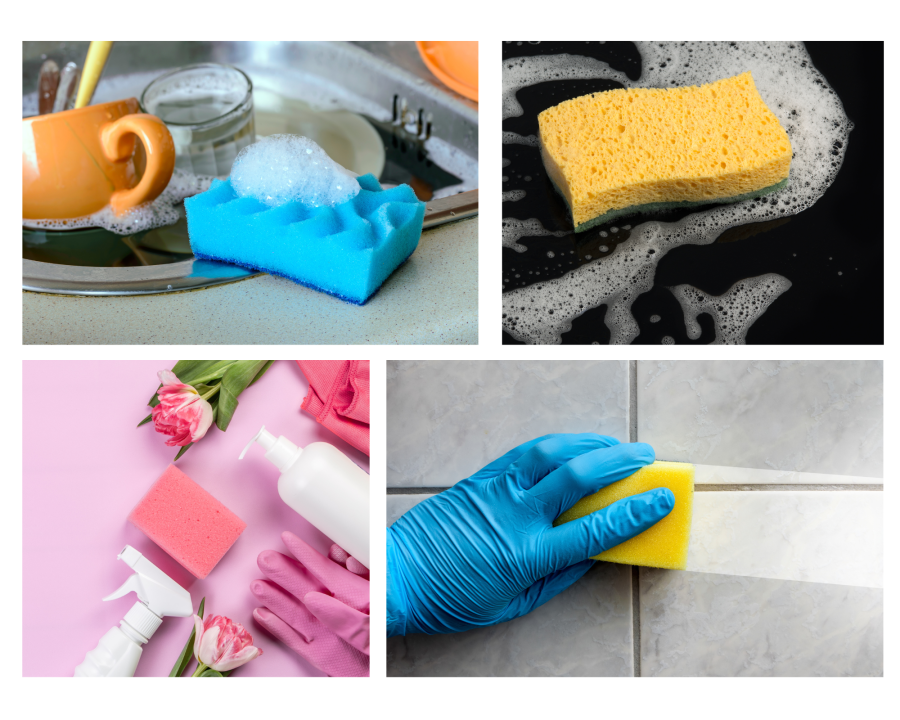
Cleaning is an essential part of maintaining a hygienic environment. It involves removing dirt, grime, and bacteria that can cause diseases and infections. One of the most common tools used in cleaning is the sponge. Sponges are versatile cleaning tools that can be used for a variety of cleaning tasks. They are available in various shapes, sizes, and materials, each with their unique features and benefits.
Despite their widespread use, many people are unaware of the different types of sponges and how to use them effectively. This article aims to provide a comprehensive guide to the cleaning sponge, exploring their different types, materials, and uses.
Sponge Materials:
Sponges can be made from a range of materials, each with their unique features and benefits. Some of the most common materials used in making sponges include cellulose, polyurethane, natural sponge, and microfiber.
- Cellulose sponges are one of the most common types of sponges. They are made from wood pulp and are absorbent, durable, and biodegradable. They are ideal for cleaning surfaces, dishes, and appliances and can be used with or without cleaning agents.
- Polyurethane sponges are another popular type of sponge. They are made from a synthetic material that is durable, non-absorbent, and resistant to bacteria and mildew. They are ideal for cleaning surfaces that require a lot of scrubbing, such as pots and pans, grills, and stovetops.
- Natural sponges are made from the skeleton of sea sponges. They are soft, gentle, and absorbent, making them ideal for cleaning delicate surfaces, such as glass, china, and crystal. They are also biodegradable and sustainable, making them an environmentally friendly option.
- Microfiber sponges are made from a blend of polyester and nylon. They are highly absorbent and can hold up to seven times their weight in water. They are ideal for cleaning surfaces that require a lot of water, such as countertops, sinks, and floors.
Sponge Uses:
Sponges can be used for a wide range of cleaning tasks. Some of the most common uses include:
- Kitchen cleaning: Sponges are ideal for cleaning dishes, pots, pans, and appliances. They can be used with or without cleaning agents and can be easily rinsed and reused.
- Bathroom cleaning: Sponges are ideal for cleaning bathroom surfaces, such as sinks, toilets, and showers. They can be used with cleaning agents to remove stubborn stains and grime.
- Floor cleaning: Sponges can be used to clean floors, especially those made of tile, linoleum, or vinyl. They are highly absorbent and can be used to mop up spills and stains.
- Car cleaning: Sponges can be used to clean the exterior and interior of cars. They are ideal for removing dirt, grime, and bird droppings from the exterior and for cleaning carpets, seats, and dashboards.
Sponge Maintenance:
Proper maintenance is essential to ensure that sponges remain effective and hygienic. Some tips for maintaining sponges include:
- Rinse sponges thoroughly after each use: This helps to remove any leftover debris or cleaning agents.
- Disinfect sponges regularly: Sponges can harbor bacteria and germs, so it’s essential to disinfect them regularly. One way to do this is to soak them in a solution of water and bleach for five minutes.
- Replace sponges frequently: Sponges can become worn and ineffective over time. It’s important to replace them regularly, especially if they start to smell
- or show signs of wear and tear.
- Store sponges properly: Sponges should be stored in a dry, ventilated area to prevent the growth of bacteria and mold. A sponge holder or drying rack can be useful for this purpose.
- Use different sponges for different tasks: Using separate sponges for different tasks, such as one for dishes and another for cleaning surfaces, can help to prevent cross-contamination.
Unconventional Sponge Uses:
While sponges are primarily used for cleaning, they also have some unconventional uses. Some of these include:
- Art projects: Sponges can be used in art projects, such as painting and printmaking, to create interesting textures and patterns.
- Plant care: Sponges can be used to water plants, as they can absorb and hold water. They can also be used to propagate plants by placing cuttings in a moist sponge.
- Exfoliation: Sponges can be used for exfoliating the skin, especially the feet. A sponge can be soaked in warm water and used to scrub away dead skin cells.
- Pet grooming: Sponges can be used for grooming pets, especially those with short hair. They can be used to remove loose hair and dirt from the coat.
Sponge Safety:
While sponges are generally safe to use, they can pose some safety risks if not used correctly. Here are some safety tips to keep in mind when using sponges:
- Avoid using sponges on hot surfaces: Using a sponge on a hot surface, such as a stovetop or oven, can cause the sponge to melt or catch fire. Instead, use a heat-resistant scrubber or brush.
- Don’t use sponges on delicate surfaces: Sponges can be abrasive and can scratch delicate surfaces, such as stainless steel appliances or painted walls. Use a gentler cleaning tool, such as a microfiber cloth, on these surfaces.
- Avoid using sponges on skin: While sponges can be used for exfoliating the skin, they should not be used on open wounds or sensitive areas. Use a soft washcloth instead.
- Don’t share sponges: Sharing sponges can spread bacteria and germs. Each household member should have their sponge, and sponges should be labeled to prevent confusion.
- Keep sponges away from children and pets: Sponges can pose a choking hazard to children and pets. Keep them out of reach and dispose of old or worn sponges properly.
Sponge Alternatives:
While sponges are versatile cleaning tools, they are not always the best option for every cleaning task. Here are some alternatives to consider:
- Brushes: Brushes are ideal for scrubbing tough stains, such as on grout or tile. They are also useful for cleaning hard-to-reach areas, such as corners or crevices.
- Microfiber cloths: Microfiber cloths are highly absorbent and can be used for cleaning surfaces, such as countertops, mirrors, and windows. They are also reusable and can be washed and used again.
- Mops: Mops are ideal for cleaning floors, especially large areas. They are available in various types, such as steam mops or traditional mops, and can be used with or without cleaning agents.
- Magic erasers: Magic erasers are highly effective at removing tough stains and marks, such as on walls or floors. They are made from a melamine foam that can be used without cleaning agents.
Sponge Sustainability:
In addition to being effective cleaning tools, sponges can also have an impact on the environment. Here are some considerations for choosing a sustainable sponge:
- Choose natural sponges: Natural sponges, made from sea sponge skeletons, are a sustainable option. They are biodegradable and can be composted at the end of their useful life.
- Look for recycled materials: Some sponges are made from recycled materials, such as recycled plastic. Choosing a sponge made from recycled materials reduces waste and conserves resources.
- Consider reusable sponges: Instead of using disposable sponges, consider using a reusable sponge that can be washed and used again. This reduces waste and saves money in the long run.
- Avoid sponges with synthetic materials: Sponges made from synthetic materials, such as polyurethane, can release microplastics into the environment when they are discarded. Choosing a natural or recycled sponge is a more sustainable option.
- Dispose of sponges properly: When sponges are no longer useful, they should be disposed of properly. Natural sponges can be composted, while synthetic sponges should be disposed of in the trash.
By choosing a sustainable sponge and properly disposing of it, we can reduce our impact on the environment and promote a more sustainable future.
Sponge Innovation:
Sponges have been used for cleaning for centuries, but new innovations are being developed to improve their effectiveness and sustainability. Some of the latest sponge innovations include:
- Sponge coatings: Researchers are developing coatings for sponges that can repel water and oil, making them more effective at removing dirt and grime.
- Sponge robots: Sponge robots are being developed that can clean surfaces autonomously, without the need for human intervention. These robots can be used for cleaning large areas, such as airports or hospitals.
- Eco-friendly sponges: Manufacturers are developing sponges made from eco-friendly materials, such as bamboo or hemp, that are biodegradable and sustainable.
- Antibacterial sponges: Sponges are being developed that are infused with antibacterial agents, such as silver or copper, that can kill bacteria and prevent the growth of mold and mildew.
As new innovations are developed, sponges will continue to evolve and become more effective and sustainable cleaning tools.
Conclusion:
Sponges are versatile cleaning tools that have been used for centuries. They are available in various types, materials, and sizes, each with their unique features and benefits. Proper maintenance is essential to ensure that sponges remain effective and hygienic, and safety precautions should be taken to avoid any potential risks. While sponges are useful, there are also alternative cleaning tools to consider for different cleaning tasks. By choosing a sustainable sponge and properly disposing of it, we can reduce our impact on the environment and promote a more sustainable future. As new innovations are developed, sponges will continue to evolve and become more effective and sustainable cleaning tools.
 Hey Singapore