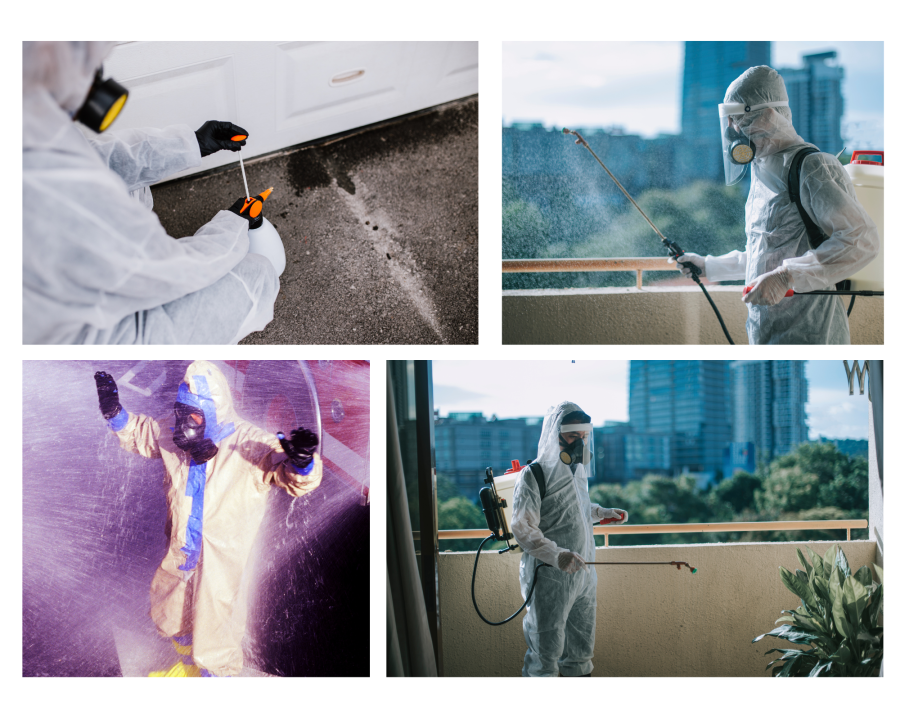
Our homes are our sanctuaries – a place where we feel safe and secure. However, what most people fail to realize is that our homes can be breeding grounds for harmful bacteria and viruses, not to mention the allergens that can cause various health issues. The air we breathe in our homes can be up to five times more polluted than the air outside. This is why it is important to keep our homes clean and free of contaminants.
House decontamination is a process that involves purifying and eliminating harmful substances from our homes. This can include anything from bacteria and viruses to mold and mildew. In this article, we will discuss various methods and techniques for house decontamination, so you can ensure that your home is a safe and healthy environment for you and your family.
Identify the Problem
The first step in house decontamination is identifying the problem. You need to know what you are dealing with before you can take any steps to eliminate it. Some common problems that may require house decontamination include:
- Mold and mildew
- Bacteria and viruses
- Allergens (such as pollen, dust mites, and pet dander)
- Chemical contaminants (such as pesticides and cleaning products)
- Radon
Once you have identified the problem, you can start to take steps to eliminate it.
Deep Cleaning
The next step in house decontamination is deep cleaning. This involves thoroughly cleaning all surfaces in your home to remove any contaminants. Some areas that may require extra attention include:
- Carpets and rugs
- Upholstered furniture
- Curtains and drapes
- Bedding and linens
You may also want to consider using a high-efficiency particulate air (HEPA) filter in your vacuum cleaner to help remove allergens and other contaminants from your carpets and upholstery.
Air Purification
In addition to deep cleaning, air purification is another important step in house decontamination. There are several types of air purifiers on the market, including:
- HEPA air purifiers – these use a HEPA filter to remove 99.97% of particles from the air, including pollen, dust mites, and pet dander.
- Activated carbon air purifiers – these use activated carbon to remove odors and chemicals from the air.
- UV air purifiers – these use ultraviolet light to kill bacteria and viruses in the air.
You may want to consider using a combination of these air purifiers for maximum effectiveness.
Mold Remediation
If you have mold in your home, it is important to address it as soon as possible. Mold can cause a variety of health problems, including allergies, asthma, and respiratory issues. Mold remediation involves removing any visible mold and treating the area to prevent it from returning. Some common methods of mold remediation include:
Removing any affected materials (such as drywall or insulation)
Treating the area with a fungicide
Using a dehumidifier to reduce moisture in the air
It is important to hire a professional mold remediation company to ensure that the job is done correctly and safely.
Professional Testing
If you are unsure about the quality of air in your home, it may be a good idea to have a professional test your home for contaminants. There are many companies that offer indoor air quality testing, which can help you identify any potential problems in your home. Some common tests include:
- Mold testing
- Allergen testing
- Radon testing
- VOC testing (to test for volatile organic compounds)
Once you have the results of these tests, you can take steps to address any problems that are found.
Prevention
Prevention is the best way to ensure that your home remains free of contaminants. Some simple steps you can take to prevent contamination include:
- Regular cleaning and maintenance of your home
- Using natural cleaning products instead of harsh chemicals
- Keeping your home well-ventilated
- Keeping humidity levels low to prevent mold growth
- Regularly replacing air filters in your HVAC system
By taking these steps, you can help to ensure that your home remains a safe and healthy environment for you and your family.
Natural Remedies
In addition to using professional services and products, there are also many natural remedies that can help with house decontamination. Some examples include:
- Essential oils – certain essential oils, such as tea tree oil and eucalyptus oil, have antimicrobial properties and can be used in cleaning solutions or in a diffuser to purify the air.
- Vinegar – white vinegar is a natural disinfectant and can be used to clean surfaces in your home.
- Baking soda – baking soda can be used to absorb odors in your home, and can also be used to clean surfaces and appliances.
Using natural remedies can be a cost-effective and eco-friendly way to decontaminate your home.
Water Purification
In addition to air purification, it is also important to ensure that the water in your home is free of contaminants. Depending on where you live, your tap water may contain pollutants such as lead, chlorine, and fluoride. You may want to consider installing a water filtration system to remove these contaminants. There are several types of water filtration systems available, including:
- Carbon filters – these use activated carbon to remove impurities from your water.
- Reverse osmosis systems – these use a semi-permeable membrane to remove impurities from your water.
- UV water purifiers – these use ultraviolet light to kill bacteria and viruses in your water.
By ensuring that your water is pure and clean, you can help to promote better health and well-being for you and your family.
Professional Decontamination Services
If you are dealing with a serious contamination issue, such as a severe mold problem or hazardous chemical exposure, it is important to hire a professional decontamination service. These companies have the expertise and equipment to safely and effectively remove contaminants from your home. Some common services provided by decontamination companies include:
- Mold remediation
- Chemical decontamination
- Biohazard cleanup
- Water damage restoration
While professional services may be more expensive, they are often necessary for addressing serious contamination issues.
DIY Decontamination
While it may be necessary to hire professional services for serious contamination issues, there are also many DIY decontamination methods that can be effective for less severe problems. Some examples include:
Steam cleaning – using a steam cleaner to clean carpets, upholstery, and other surfaces can help to kill bacteria, viruses, and mold.
Air-drying – allowing fabrics and surfaces to air-dry in direct sunlight can help to kill bacteria and mold spores.
Homemade cleaning solutions – using ingredients such as vinegar, baking soda, and essential oils can be an effective and eco-friendly way to clean surfaces and purify the air.
By utilizing these DIY methods, you can save money and take a more hands-on approach to decontaminating your home.
Maintaining a Decontaminated Home
Once you have decontaminated your home, it is important to maintain a clean and healthy environment. Some tips for maintaining a decontaminated home include:
- Regularly cleaning and disinfecting surfaces
- Vacuuming and dusting regularly
- Using air purifiers and water filtration systems
- Keeping humidity levels low to prevent mold growth
- Using natural cleaning products
- Encouraging good hygiene habits, such as washing hands frequently and covering coughs and sneezes
By maintaining a clean and healthy home, you can help to prevent future contamination issues and promote better health and well-being for you and your family.
Decontaminating After Disasters
Natural disasters such as floods, hurricanes, and wildfires can cause extensive damage to homes and create hazardous conditions. Decontamination is an important step in the process of rebuilding and recovering from these disasters. Here are some tips for decontaminating your home after a disaster:
- Assess the damage: Before beginning the decontamination process, it’s important to assess the extent of the damage to your home. If there is extensive damage, it may be necessary to hire a professional decontamination service.
- Wear protective gear: When cleaning up after a disaster, it’s important to wear protective gear such as gloves, masks, and goggles to prevent exposure to hazardous substances.
- Remove debris: Debris such as fallen trees, branches, and other materials can create a breeding ground for mold and other contaminants. It’s important to remove debris as soon as possible.
- Dry out your home: Floodwaters can create an ideal environment for mold growth. It’s important to dry out your home as soon as possible to prevent mold growth. Use fans, dehumidifiers, and other equipment to dry out your home.
- Disinfect: After removing debris and drying out your home, it’s important to disinfect all surfaces. Use a solution of bleach and water to disinfect surfaces such as floors, walls, and countertops.
- Replace damaged materials: In some cases, it may be necessary to replace damaged materials such as carpeting and drywall to prevent the growth of mold and other contaminants.
Decontaminating your home after a disaster can be a challenging and time-consuming process. It’s important to take the necessary steps to ensure that your home is safe and healthy for you and your family.
Conclusion
House decontamination is a crucial process for ensuring that your home is a safe and healthy environment. By identifying potential problems, deep cleaning, purifying the air and water, using natural remedies, and enlisting the help of professional services when necessary, you can create a home that promotes better health and well-being for you and your family. Maintaining a decontaminated home requires regular cleaning and maintenance, as well as taking steps to prevent future contamination. Whether you’re dealing with common allergens or more serious contamination issues, there are many tools and techniques available to help you decontaminate your home and create a safe and healthy environment for years to come.
 Hey Singapore