
Ladders are essential tools for homeowners, contractors, and industrial workers. They come in various sizes and materials, and each has a different price tag. Understanding the factors affecting ladder prices can help you make an informed decision when buying one. In this article, we will discuss the factors that determine ladder prices and provide tips on how to choose the right ladder for your needs.
Table of Contents
- Introduction
- Types of Ladders
- Step Ladders
- Extension Ladders
- Multi-Position Ladders
- Telescoping Ladders
- Materials
- Aluminum
- Fiberglass
- Wood
- Weight Capacity
- Height
- Safety Features
- Brand
- Where to Buy
- Maintenance
- Warranty
- Conclusion
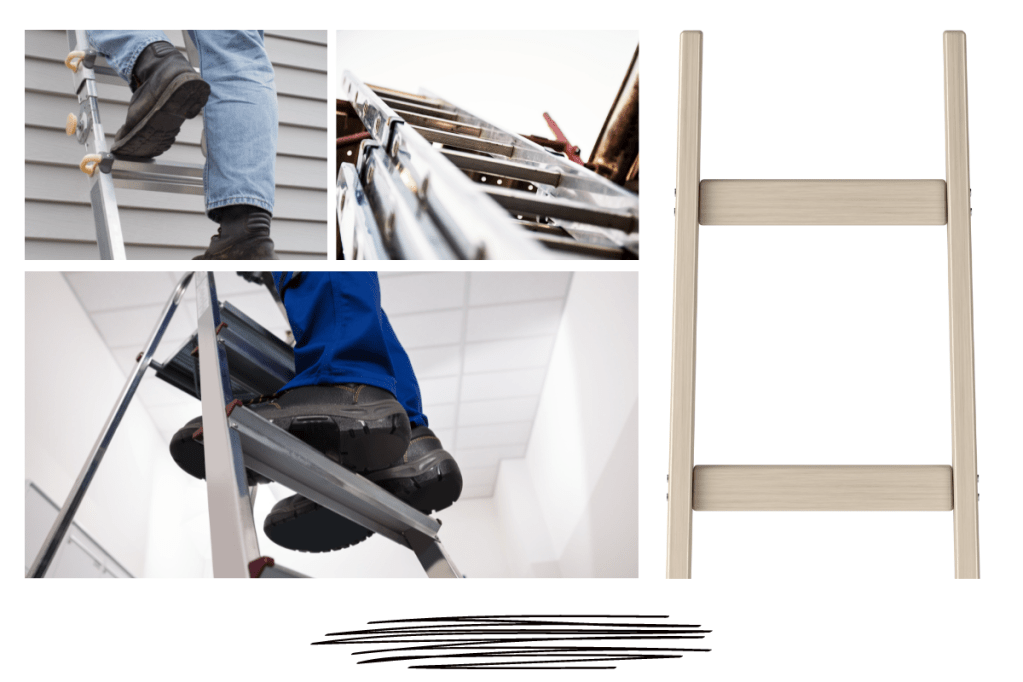
Introduction
Ladders are necessary tools for anyone who needs to reach high places. From changing a light bulb to painting a house, ladders can make tasks easier and safer. However, choosing the right ladder can be a daunting task, especially when you consider the range of prices available. In this article, we will explore the factors that affect ladder prices and help you make an informed decision when purchasing a ladder.
Types of Ladders
There are several types of ladders to choose from, each with its own price range. The most common types of ladders are:
Step Ladders
Step ladders are self-supporting and have two sides connected by hinges. They are designed for use in a range of applications, including home improvement projects and painting. Step ladders are available in various sizes and materials, and their prices vary accordingly.
Extension Ladders
Extension ladders are designed to reach heights that step ladders cannot. They consist of two or more sections that slide into each other, allowing the ladder to be extended to the desired height. Extension ladders are available in various materials and weight capacities, with prices ranging from budget-friendly to high-end.
Multi-Position Ladders
Multi-position ladders are versatile and can be used in several configurations, including as a step ladder, extension ladder, or scaffold. They are a popular choice for contractors and homeowners who need a ladder that can adapt to different tasks. Multi-position ladders are available in various sizes and materials, with prices ranging from affordable to high-end.
Telescoping Ladders
Telescoping ladders are compact and easy to store. They consist of sections that slide into each other, allowing the ladder to be extended and retracted easily. Telescoping ladders are available in various materials and sizes, and their prices vary accordingly.
Materials
Ladders are made from different materials, each with its own advantages and disadvantages. The most common materials used for ladders are:
Aluminum
Aluminum ladders are lightweight, durable, and resistant to corrosion. They are easy to maneuver and are a popular choice for homeowners and contractors alike. Aluminum ladders are available in various sizes and weight capacities, with prices ranging from budget-friendly to high-end.
Fiberglass
Fiberglass ladders are heavy-duty and resistant to electricity. They are ideal for use in industrial settings where safety is a top priority. Fiberglass ladders are available in various sizes and weight capacities, with prices ranging from mid-range to high-end.
Wood
Wood ladders are sturdy and attractive. They are a popular choice for homeowners who want a ladder that blends in with their surroundings. Wood ladders are available in various sizes and weight capacities, with prices ranging from mid-range to high-end.
Weight Capacity
The weight capacity of a ladder is an essential factor to consider when choosing a ladder. Each ladder has a maximum weight capacity that must be adhered to for safety reasons. The weight capacity of a ladder depends on its design and materials. Step ladders generally have lower weight capacities than extension ladders, and fiberglass ladders usually have higher weight capacities than aluminum ladders. When choosing a ladder, it is essential to consider the weight of the user and any equipment or materials that will be carried on the ladder.
Height
The height of the ladder is another crucial factor to consider when buying a ladder. Different types of ladders have different maximum heights. For example, step ladders are typically available in heights up to 12 feet, while extension ladders can extend to 40 feet or more. It is important to choose a ladder that can reach the desired height without having to overextend or lean dangerously.
Safety Features
Safety is paramount when working with ladders. Ladders come with various safety features, such as slip-resistant rungs, stabilizers, and safety feet. Some ladders have additional safety features, such as locking mechanisms and anti-skid coatings. When choosing a ladder, it is essential to look for safety features that will help prevent accidents and injuries.
Brand
Brand reputation can also affect the price of a ladder. Well-known brands often have higher prices due to their reputation for quality and durability. However, less well-known brands may offer similar quality and features at a lower price point. When choosing a ladder, it is important to research the brand and read reviews from other users to ensure that it is reliable and safe.
Where to Buy
Ladders can be purchased from various retailers, including home improvement stores, hardware stores, and online retailers. Prices can vary depending on the retailer, so it is important to shop around and compare prices before making a purchase. It is also essential to ensure that the retailer offers a warranty or return policy in case the ladder is defective or does not meet your needs.
Maintenance
Proper maintenance of a ladder can help extend its lifespan and ensure its safety. Regular cleaning and inspection can help prevent rust and damage to the ladder. It is also essential to follow the manufacturer’s instructions for proper use and storage.
Warranty
A warranty can provide peace of mind and protect your investment. Many ladder manufacturers offer warranties that cover defects in materials and workmanship. It is important to read the warranty carefully and understand what is covered and for how long.
Conclusion
When purchasing a ladder, it is essential to consider the factors that affect ladder prices, such as the type of ladder, materials, weight capacity, height, safety features, brand, where to buy, maintenance, and warranty. By understanding these factors, you can make an informed decision and choose a ladder that meets your needs and budget.
 Hey Singapore