
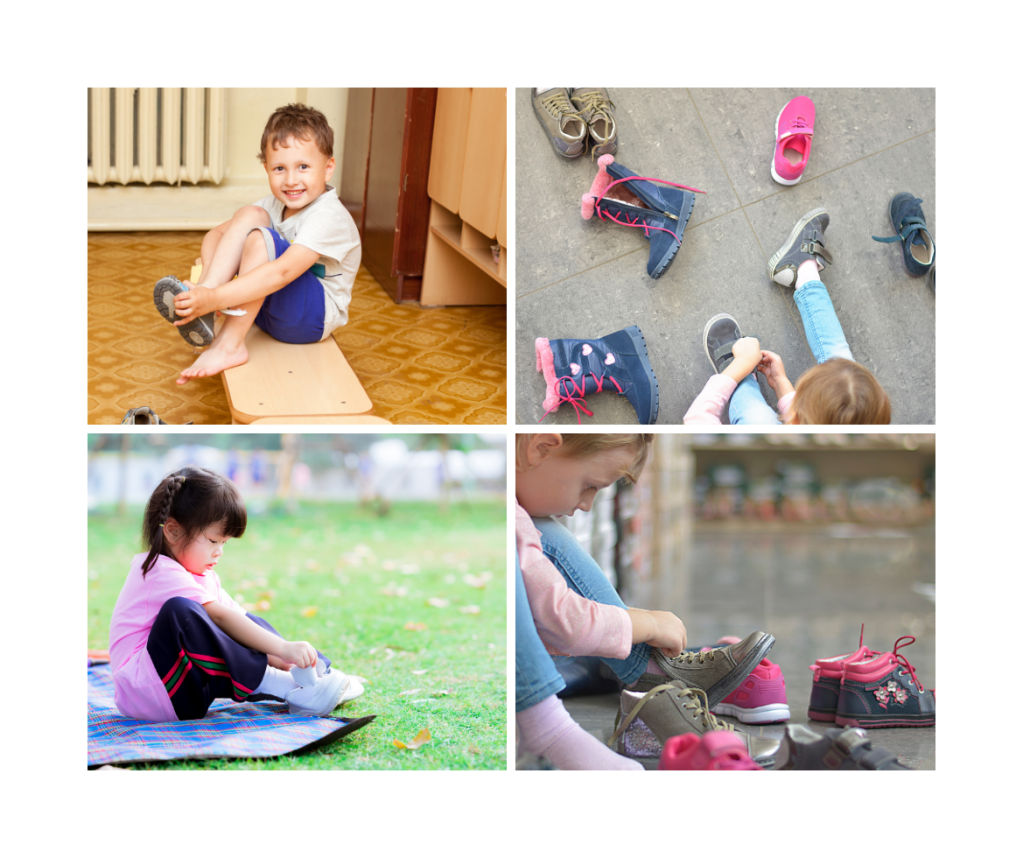
How to Put on Shoes: The Correct Way for Optimal Foot Comfort and Health
Wearing shoes is an essential part of our daily routine, and it’s important to do it correctly to avoid foot problems. Shoes not only protect our feet from injuries, but they also add style to our outfits. However, putting on shoes may seem like a simple task, but not all of us know the proper way to do it. This can lead to discomfort, pain, and even foot injuries.
When it comes to putting on shoes, there are a few key steps to follow. First, it’s important to choose the right type of shoes for your activities. Different types of shoes provide different levels of support, cushioning, and flexibility, depending on the activity they are designed for. For example, running shoes are designed to provide extra cushioning and support for high-impact activities, while hiking boots are designed to provide stability and traction on uneven terrain.
Once you have selected the right pair of shoes, it’s important to prepare them for wear. This includes making sure that they are properly laced or fastened, and that they fit snugly but comfortably. It’s also a good idea to break in new shoes gradually, wearing them for short periods of time before wearing them for extended periods.
When putting on your shoes, it’s important to use the correct technique. Start by loosening the laces or fastenings and sliding your foot into the shoe, making sure that your toes are all the way in and that your heel is snugly against the back of the shoe. Then, tighten the laces or fastenings to achieve a comfortable but secure fit.
It’s also important to wear the right socks when putting on your shoes. Socks help to cushion your feet and absorb moisture, which can help to prevent blisters and other foot problems. Look for socks that are made of moisture-wicking materials, which will help to draw sweat and moisture away from your feet.
Another important factor to consider when putting on shoes is the time of day. Our feet tend to swell throughout the day, so it’s best to try on and put on shoes later in the day when your feet are at their largest. This will help to ensure that your shoes fit comfortably and are not too tight.
Properly putting on shoes can help to prevent foot injuries and discomfort. It’s important to take the time to choose the right shoes for your activities, prepare them for wear, and use the correct technique when putting them on. By following these steps, you can ensure optimal comfort and health for your feet.
In conclusion, putting on shoes may seem like a simple task, but it’s important to do it correctly to avoid foot problems. Make sure to choose the right shoes for your activities, prepare them for wear, use the correct technique when putting them on, and wear the right socks. By following these tips, you can ensure that your feet are comfortable and healthy, and that you can enjoy your activities to the fullest.
The Importance of Wearing Properly Fitted Shoes
Wearing shoes that are too tight or too loose can cause discomfort, blisters, and even foot injuries. Properly fitted shoes should have enough room in the toe box to allow for movement of your toes, while also providing support to your heels and arches. Shoes that fit properly can also help prevent the development of foot problems such as bunions, corns, and calluses.
Choosing the Right Type of Shoes for Your Feet
Different types of shoes provide varying levels of support and cushioning for your feet. When choosing shoes, consider the activities you will be doing and choose shoes that are appropriate for those activities. For example, if you will be running, choose running shoes that provide the necessary support and cushioning for your feet.
Preparing Your Shoes for Wear
Before putting on your shoes, make sure they are clean and dry. If your shoes are wet, allow them to dry completely before wearing them. This will help prevent the growth of bacteria and fungi, which can cause foot infections and unpleasant odors.
Proper Socks for Optimal Comfort
Wearing the right type of socks can also contribute to the overall comfort of your feet. Choose socks that are made of breathable materials such as cotton or wool, which can help wick away moisture and prevent the growth of bacteria.
The Correct Way to Put on Shoes
To put on shoes correctly, follow these steps:
- Loosen the laces or straps of your shoes.
- Use your hand to open up the tongue of the shoe.
- Place your foot into the shoe, making sure your heel is in the back of the shoe and your toes are in the toe box.
- Pull the tongue of the shoe up and over your foot.
- Adjust the laces or straps of the shoe to provide a snug but comfortable fit.
- Repeat with the other shoe.
Common Mistakes When Putting on Shoes
Some common mistakes people make when putting on shoes include:
- Not loosening the laces or straps before putting on the shoes.
- Not properly adjusting the tongue of the shoe before putting on the shoes.
- Forcing your foot into the shoe, which can cause discomfort and even foot injuries.
- Not properly adjusting the laces or straps to provide a snug but comfortable fit.
Signs That Your Shoes Need to Be Replaced
Even with proper maintenance, shoes will eventually wear out and need to be replaced. Some signs that your shoes need to be replaced include:
- The soles of your shoes are worn down.
- The uppers of your shoes are cracked or torn.
- Your shoes no longer provide the necessary support and cushioning for your feet.
- Your shoes cause discomfort or pain when you wear them.
How to Store Your Shoes Properly
Proper storage can also help prolong the life of your shoes. Here are some tips for storing your shoes:
- Store your shoes in a cool, dry place away from direct sunlight.
- Avoid storing your shoes in plastic bags or containers, which can trap moisture and cause the growth of bacteria and fungi.
- Use a shoe rack or shelf to help organize your shoes and allow air to circulate around them.
Foot Health and the Importance of Wearing the Correct Shoes
Wearing the correct shoes is important for foot health. Properly fitted shoes can help prevent foot problems such as blisters, corns, calluses, and bunions. Wearing shoes that provide the necessary support and cushioning can also help prevent foot injuries such as sprains and strains.
Putting on shoes may seem like a simple task, but doing it correctly can make a significant difference in the comfort and health of your feet. By following the steps outlined in this article, you can ensure that you are wearing properly fitted shoes that provide the necessary support and cushioning for your feet.
One of the most important steps in putting on shoes is choosing the right type of shoes for your activities. Different activities require different types of shoes, so it’s important to choose shoes that are specifically designed for the activity you will be engaging in. For example, running shoes are designed with extra cushioning and support for high-impact activities, while hiking shoes are designed with extra traction and stability for uneven terrain.
Once you have chosen the right shoes for your activity, it’s important to prepare them for wear. This includes ensuring that they are clean and dry, and that any laces or straps are adjusted properly. If you wear orthotics or other foot supports, make sure they are properly positioned in the shoe before putting them on.
When putting on your shoes, it’s important to use the correct technique to avoid discomfort or pain. Start by loosening the laces or straps and opening the shoe as wide as possible. Then, place your foot into the shoe and make sure your heel is snugly in place. Tighten the laces or straps to achieve a comfortable but secure fit, and make sure the tongue of the shoe is centered over your foot to avoid bunching or discomfort.
Another important factor to consider when putting on shoes is maintaining them properly to prolong their life. This includes regularly cleaning and conditioning the shoes, storing them in a dry, well-ventilated area, and replacing worn-out insoles or outsoles as needed.
If you experience any discomfort or pain while wearing your shoes, it may be time to replace them. Worn-out shoes can lead to foot problems such as blisters, bunions, and plantar fasciitis. It’s important to replace your shoes as soon as you notice any signs of wear and tear to avoid these issues.
In conclusion, putting on shoes correctly is an important part of foot health and comfort. By choosing the right type of shoes for your activities, preparing them for wear, using the correct technique to put them on, and maintaining them properly, you can ensure that your feet are comfortable and healthy. Remember to replace your shoes as needed to avoid foot problems and discomfort.
 Hey Singapore