
The art of home fragrance candles has been a staple of human civilization since ancient times. It is an art form that ignites the senses and evokes memories of warmth, coziness, and relaxation. A well-crafted candle can transform a dull room into a sanctuary, and its scent can take you on a sensory journey that transcends time and space. In this article, we will explore the world of home fragrance candles and delve into the intricate details of what makes a candle a sublime emanation. For more related info visit Home Fragrance Candle.
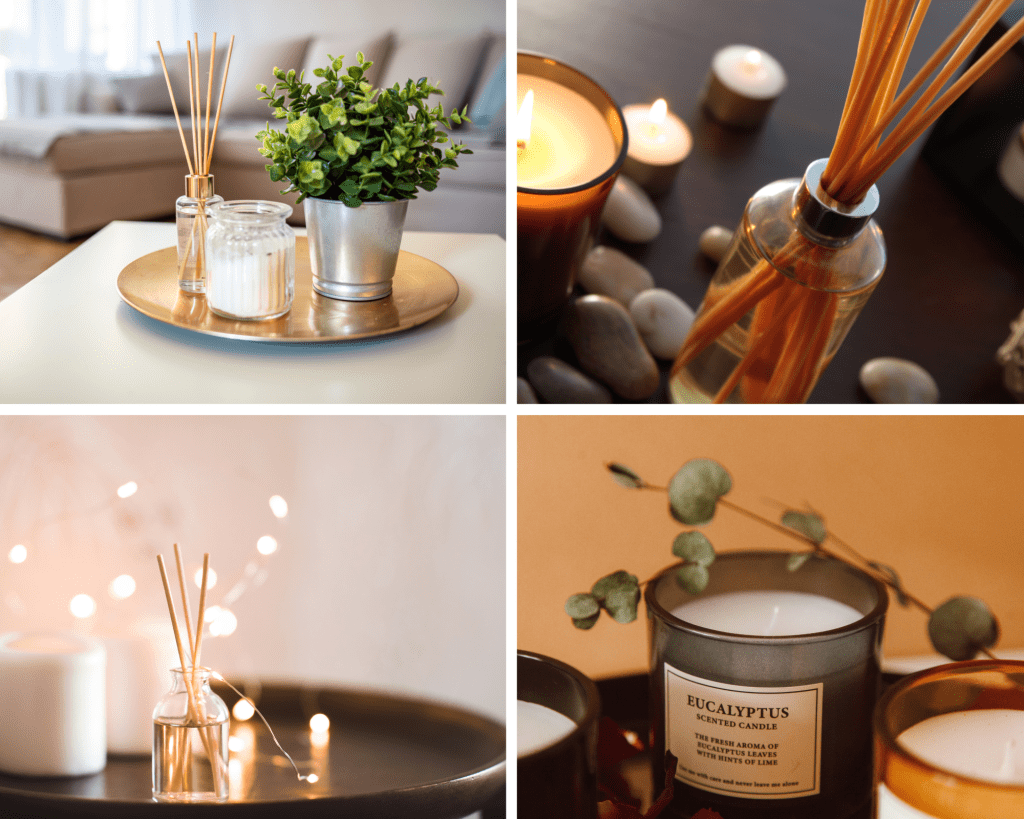
The Origins of Home Fragrance Candles
The history of candles can be traced back to ancient Egypt, where they were used for religious ceremonies and as a source of light. They were made from animal fats and were not scented. It wasn’t until the Middle Ages that candles started to be made from beeswax, which had a pleasant natural scent. In the 19th century, paraffin wax was invented, which became the dominant wax used in candle making.
The art of adding fragrance to candles began in the 19th century when French perfumeries started to experiment with scenting candles. The trend quickly caught on, and scented candles became a luxurious home accessory. Today, home fragrance candles are ubiquitous, and they come in all shapes, sizes, and scents.
The Science of Home Fragrance Candles
The science of home fragrance candles is a delicate balance of art and chemistry. The wax, wick, fragrance, and color all play a crucial role in the final product’s scent, burn time, and aesthetic appeal.
Wax – The most common waxes used in candle making are paraffin, soy, and beeswax. Each wax has its unique properties that affect the candle’s scent and burn time.
Paraffin wax is the most widely used wax due to its affordability and availability. It has a high melting point, which means it can hold a large amount of fragrance, resulting in a strong scent throw. However, paraffin wax is not environmentally friendly as it is derived from petroleum.
Soy wax is a natural and renewable resource made from soybeans. It burns cleaner and slower than paraffin wax and has a lower melting point, resulting in a softer scent throw.
Beeswax is a natural wax made from the wax produced by honeybees. It has a subtle, natural scent and burns longer than other waxes. However, it is the most expensive wax, and it is not suitable for strong scents.
Wick – The wick is the engine of the candle, and it is responsible for providing a steady flame and even burn. The size and type of wick used depend on the wax’s type and the desired burn time.
Fragrance – The fragrance is what gives the candle its unique scent. The fragrance oils used in candles are a blend of essential oils and synthetic fragrances. The amount of fragrance used depends on the wax’s type and the desired scent throw.
Color – The color of a candle is purely aesthetic and is achieved by adding dye to the wax. Some candle makers prefer to use natural dyes, such as beetroot powder, to achieve a more organic look.
The Art of Scent Layering
Scent layering is a technique used by perfumers to create a complex and multi-dimensional fragrance profile. The same technique can be applied to home fragrance candles to create a unique and memorable scent experience.
The first step in scent layering is to choose a dominant scent. This scent should be the most prominent in the candle’s fragrance profile. For example, if you want to create a candle with a floral scent, you might choose rose as the dominant scent.
The next step in scent layering is to choose complementary scents that will enhance and support the dominant scent. For example, if you chose rose as the dominant scent, you might choose jasmine and lavender as complementary scents. These scents will add depth and complexity to the fragrance profile, creating a multi-dimensional scent experience.
The final step in scent layering is to choose accent scents that will add a unique touch to the fragrance profile. Accent scents can be unusual or unexpected, and they can be used to create a signature scent that sets your candle apart from others. For example, you might choose to add a hint of black pepper or cinnamon to your floral candle to give it a spicy twist.
The Art of Candle Making
Candle making is a delicate and intricate art form that requires attention to detail and patience. A well-crafted candle is a work of art, and it can take hours of labor to create a single candle.
The first step in candle making is to choose the wax, wick, fragrance, and color. Once you have all the materials, you can start the process of melting the wax and adding the fragrance and color. The wax is melted in a double boiler to prevent overheating and ensure even melting.
Once the wax has melted, the fragrance and color are added, and the wax is mixed thoroughly. The wick is then secured to the bottom of the container, and the wax is poured into the container. The candle is left to cool and set, and the wick is trimmed to the appropriate length.
The Art of Candle Burning
Candle burning is just as much an art form as candle making. The way you burn your candle can affect its scent, burn time, and overall aesthetic appeal.
The first step in candle burning is to trim the wick to ¼ inch before lighting the candle. This will prevent the wick from smoking and ensure a clean burn.
When lighting the candle, it is essential to let it burn long enough to create a melt pool that reaches the edges of the container. This will prevent tunneling and ensure an even burn.
It is also important to burn the candle for no more than four hours at a time. Burning the candle for too long can cause the wax to overheat and shorten the candle’s overall burn time.
Finally, it is essential to store your candles properly to preserve their scent and quality. Candles should be stored in a cool, dry place away from direct sunlight and heat sources.
The art of home fragrance candles is a delicate and intricate art form that requires attention to detail, patience, and creativity. A well-crafted candle can transform a dull room into a sanctuary, and its scent can take you on a sensory journey that transcends time and space. Whether you are a candle maker or a candle lover, there is no denying the sublime emanation that a well-crafted home fragrance candle can bring to your life. So, light a candle, and let its scent take you on a journey of warmth, coziness, and relaxation.
The Art of Packaging
The packaging of a candle is just as important as the candle itself. It is the first thing that a customer sees, and it can influence their decision to purchase the candle. A well-packaged candle can add to the overall aesthetic appeal and create a sense of luxury and sophistication.
The packaging of a candle should reflect the scent and aesthetic of the candle. For example, if you are creating a candle with a floral scent, you might choose a packaging design that features flowers or botanicals.
The type of packaging material used can also add to the overall aesthetic appeal. Some candle makers prefer to use recycled or eco-friendly packaging materials to create a more sustainable product.
The Art of Candle Accessories
Candle accessories can add to the overall aesthetic appeal of a candle and enhance the candle burning experience. Some popular candle accessories include candle snuffers, wick trimmers, and candle holders.
Candle snuffers are used to extinguish a candle’s flame without blowing out the candle. This prevents the wick from smoking and ensures a clean burn.
Wick trimmers are used to trim the wick to the appropriate length before lighting the candle. This prevents the wick from smoking and ensures an even burn.
Candle holders come in a variety of styles and designs and can add to the overall aesthetic appeal of a candle. They can be made from a variety of materials, such as glass, ceramic, or metal.
The Art of Candle Gifts
Candles make great gifts for any occasion, and the art of creating a candle gift is just as important as the candle itself. A well-crafted candle gift can create a memorable and personalized experience for the recipient.
When creating a candle gift, it is essential to consider the recipient’s taste and preferences. You can choose a scent that reflects their personality or choose a packaging design that reflects their style.
Personalization is also key when creating a candle gift. You can add a personalized note or choose a custom label design to make the gift even more special.
The art of home fragrance candles is a multi-faceted and complex art form that requires attention to detail, creativity, and passion. From the science of candle making to the art of scent layering, every aspect of candle making contributes to the overall sensory experience. Whether you are a candle maker or a candle lover, there is no denying the beauty and luxury that a well-crafted home fragrance candle can bring to your life. So, light a candle, and let its sublime emanation transport you to a world of warmth, coziness, and relaxation.
 Hey Singapore