
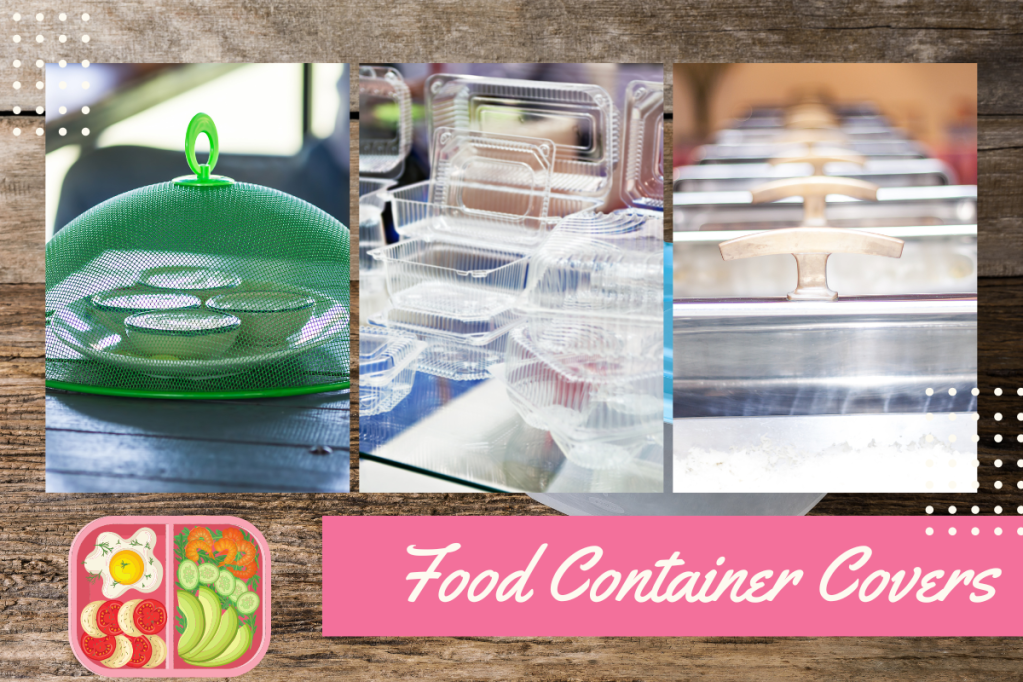
Food container covers are an essential part of any kitchen, as they help keep food fresh and prevent spills and messes. These covers come in a variety of sizes and materials, from plastic and silicone to metal and glass.
One of the most common types of food container covers is plastic wrap, also known as cling film. This thin, transparent material is ideal for covering bowls and plates of food, as it creates an airtight seal that helps keep food fresh. It is also useful for wrapping up leftovers or sandwiches for storage.
Another popular type of food container cover is the plastic lid. These come in a variety of shapes and sizes, and are often designed to fit specific types of containers, such as food storage containers or beverage cups. Plastic lids are typically reusable, and can be washed and reused multiple times before they need to be replaced.
Silicone food container covers are a newer addition to the market, and are becoming increasingly popular due to their durability and versatility. These covers are stretchy and can be stretched over a variety of container shapes and sizes, creating an airtight seal that helps keep food fresh. Silicone covers are also reusable, and can be washed and reused multiple times.
Metal food container covers, such as those made from aluminum or stainless steel, are often used for baking or cooking. These covers are typically placed over food while it is cooking, and help to trap in moisture and heat, resulting in more tender and flavorful dishes.
Glass food container covers are another popular option, and are often used for storing and reheating food. These covers are microwave safe, and can be used to cover dishes that are being reheated in the microwave. They are also dishwasher safe, making them easy to clean and reuse.
In conclusion, food container covers are an essential part of any kitchen, and come in a variety of sizes and materials to suit different needs. Whether you are looking for a plastic wrap to cover a bowl of leftovers, a silicone cover to stretch over a variety of container shapes, or a metal or glass cover for cooking or reheating food, there is sure to be a cover that meets your needs.
Food container covers are not only useful for keeping food fresh and preventing spills, but they also offer a variety of other benefits. For example, using food container covers can help reduce food waste, as it allows you to store leftovers and unused ingredients safely for later use. Additionally, using food container covers can help you save money, as you can buy in bulk and store items for longer periods of time.
When choosing food container covers, it is important to consider the material and size that will best suit your needs. For example, if you are looking for a cover that can be reused multiple times, silicone or plastic lids may be a good option. However, if you are looking for a cover that is microwave or oven safe, glass or metal covers may be a better choice.
It is also important to consider the environmental impact of the food container covers you choose. While plastic wrap and disposable plastic lids may be convenient, they are not biodegradable and can contribute to plastic pollution. Reusable options such as silicone, metal, or glass covers are more sustainable and can be used repeatedly, reducing waste.
Overall, food container covers are an important tool in any kitchen. They help keep food fresh, reduce waste, and can even save you money in the long run. By choosing the right material and size for your needs, and considering the environmental impact, you can make a smart and sustainable choice for your kitchen.
In addition to the benefits of using food container covers, it is important to use them properly to ensure they are effective in keeping food fresh and safe to eat. When using plastic wrap, it is important to press the wrap directly onto the surface of the food to create an airtight seal. This helps prevent air from getting in and can help prevent bacterial growth.
When using plastic or silicone lids, it is important to make sure they are properly sealed onto the container. This can help prevent leaks and spills, and also helps keep food fresh. It is also important to make sure the container and lid are both clean and dry before use, as moisture can promote bacterial growth.
When using metal or glass covers for cooking or reheating, it is important to follow the manufacturer’s instructions and use the cover properly. For example, some metal covers may need to be greased before use, while glass covers may need to be tempered to prevent cracking.
Finally, it is important to properly clean and store food container covers to prevent contamination and ensure they last as long as possible. Most plastic and silicone covers can be washed with soap and water, while metal and glass covers may need to be hand washed or washed in the dishwasher. It is also important to store food container covers in a clean, dry place to prevent bacterial growth and ensure they are ready for use when needed.
Overall, using food container covers is an important part of food safety and can help reduce waste and save money in the kitchen. By choosing the right cover for your needs, using them properly, and taking care to clean and store them correctly, you can ensure your food stays fresh and safe to eat.
When it comes to storing food with container covers, there are a few tips to keep in mind to ensure your food stays fresh for as long as possible. First, it is important to use the right size cover for the container. If the cover is too small, it may not create an airtight seal, and if it is too big, it may not stay in place properly.
Another tip is to label your food containers with the date and contents, especially if you are storing leftovers or prepping meals in advance. This can help you keep track of what needs to be used up first and prevent food waste.
It is also important to store your food containers properly to prevent bacterial growth and ensure your food stays fresh. For example, it is best to store raw meat and poultry in a separate container with a lid to prevent cross-contamination. Additionally, it is important to store food containers in the refrigerator at the correct temperature to prevent spoilage.
If you are using plastic wrap or disposable plastic lids, it is important to dispose of them properly. Plastic wrap should be recycled if possible, or disposed of in the trash. Disposable plastic lids should also be disposed of properly, and it is important to avoid using them excessively to reduce waste.
In conclusion, food container covers are an essential tool in any kitchen. They help keep food fresh, prevent spills, reduce waste, and save money. When choosing food container covers, it is important to consider the material and size that will best suit your needs, and to also consider the environmental impact of the cover.
Proper use and storage of food container covers is also important to ensure their effectiveness in keeping food fresh and safe to eat. Labeling containers, using the correct size cover, and storing food containers properly are all important practices to follow. Additionally, disposing of covers properly and reducing the use of disposable covers can help reduce waste and promote sustainability.
With the availability of innovative options such as vacuum-sealed containers, there are even more choices available for food storage. By making a smart and sustainable choice for your kitchen, and following proper storage techniques, you can ensure your food stays fresh and safe to eat, while also reducing waste and saving money.
 Hey Singapore