
The Peranakan culture is known for its rich heritage, which encompasses food, clothing, architecture, and art. One of the most prominent artifacts of Peranakan culture is the Peranakan basket. These baskets are an essential part of Peranakan heritage, and their intricate designs and unique craftsmanship make them a valuable cultural icon of Southeast Asia. For more related info visit Peranakan Basket.
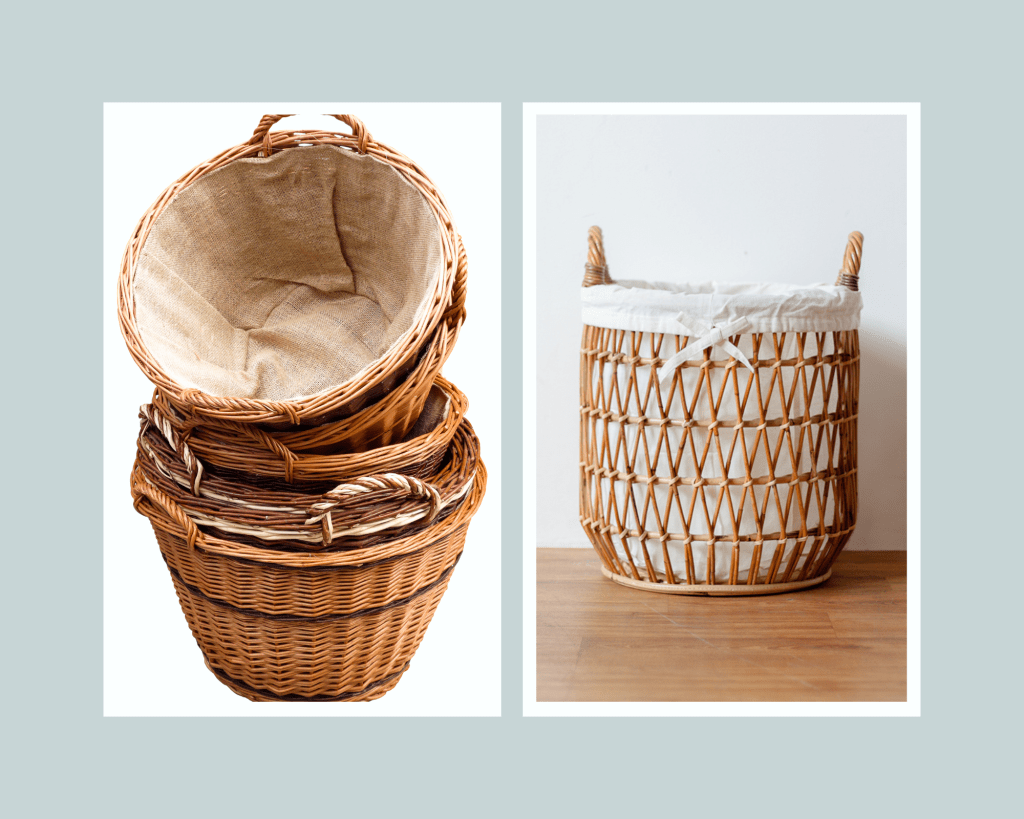
Origins and History of Peranakan Baskets
Peranakan baskets are woven baskets made from natural materials such as rattan, bamboo, and palm leaves. These baskets were traditionally used in Peranakan households for a variety of purposes such as storing rice, fruits, and other household items. They were also used as offerings during religious ceremonies and as gifts during special occasions.
The art of weaving baskets was brought to Southeast Asia by Chinese immigrants who settled in the region during the 15th century. The Peranakan community emerged as a result of intermarriage between Chinese immigrants and local Malays, resulting in a unique blend of Chinese and Malay culture. Peranakan baskets reflect this cultural mix with their intricate designs and use of local materials.
The weaving of Peranakan baskets was initially a domestic activity carried out by women in Peranakan households. However, as the demand for these baskets increased, they became a significant cottage industry in Southeast Asia. The baskets were not only sold locally but also exported to other countries in Southeast Asia and Europe.
Characteristics of Peranakan Baskets
Peranakan baskets are known for their intricate designs and use of natural materials. The baskets are typically woven in a coiled technique, where strips of bamboo or rattan are wrapped around a central core. The patterns on the baskets are created by weaving different colors of bamboo or rattan together.
The baskets come in a variety of shapes and sizes, from small trinket boxes to large storage baskets. Each basket is unique, with its design and pattern, reflecting the creativity and skill of the weaver.
The designs on Peranakan baskets are inspired by the natural world and reflect the cultural influences of the Chinese and Malay communities. Many of the patterns feature animals such as birds, butterflies, and fish, as well as flowers and geometric shapes.
Significance of Peranakan Baskets
Peranakan baskets are an important cultural icon of Southeast Asia. They reflect the rich heritage of the Peranakan community and their unique blend of Chinese and Malay culture. The baskets are not only functional but also serve as decorative items in Peranakan households.
Peranakan baskets are also significant from an artistic and historical perspective. The intricate designs and unique craftsmanship of the baskets are a testament to the skill and creativity of the weavers. The baskets provide insight into the cultural influences and traditions of the Peranakan community, making them a valuable historical artifact.
The Peranakan basket industry also plays a vital role in the economy of Southeast Asia. Many weavers rely on basket weaving as their primary source of income, and the baskets are sold both locally and internationally.
Preserving the Peranakan Basket Tradition
The Peranakan basket tradition is facing numerous challenges in the modern world. The rise of mass-produced goods and the decline of traditional crafts have led to a decline in the demand for Peranakan baskets. Many weavers are also facing difficulties in finding a market for their baskets, leading to a decline in the number of basket weavers.
Efforts are being made to preserve the Peranakan basket tradition and ensure that it continues to thrive in the modern world. One such effort is the establishment of Peranakan basket weaving schools, where young weavers can learn the craft from experienced weavers.
There are also initiatives to promote Peranakan baskets as a unique cultural artifact of Southeast Asia. These initiatives aim to raising awareness about the cultural significance of Peranakan baskets and to encourage people to appreciate and support the traditional craft.
Tourism is another avenue through which the Peranakan basket tradition can be preserved. Many tourists visiting Southeast Asia are interested in the region’s cultural heritage and are keen to purchase authentic cultural artifacts as souvenirs. By promoting Peranakan baskets as a unique cultural artifact of Southeast Asia, the tourism industry can play a crucial role in supporting the Peranakan basket tradition and the livelihoods of basket weavers.
Peranakan baskets are a unique cultural artifact of Southeast Asia, reflecting the rich heritage and cultural mix of the Peranakan community. These baskets are not only functional but also serve as decorative items in Peranakan households, and their intricate designs and unique craftsmanship make them valuable historical artifacts.
Preserving the Peranakan basket tradition is crucial in ensuring that this cultural icon continues to thrive in the modern world. Efforts such as establishing weaving schools, promoting tourism, and raising awareness about the cultural significance of Peranakan baskets can play a crucial role in supporting the traditional craft and the livelihoods of basket weavers.
As we continue to appreciate and support the Peranakan basket tradition, we honor the creativity and skill of the weavers who have dedicated their lives to preserving this unique aspect of Southeast Asian culture.
Peranakan Basket Weaving Techniques
The weaving of Peranakan baskets is a complex process that requires skill and precision. Weavers use a variety of techniques, including coiling, twining, and plaiting, to create intricate patterns and designs. Coiling is the most commonly used technique and involves wrapping a flexible material around a central core to create a spiral. The weaver then stitches the coils together to create the desired shape and pattern.
Twining involves the interlacing of two or more flexible materials to create a woven surface. Plaiting involves the weaving of three or more strands of material together to create a braided pattern.
The selection of materials is also critical in the weaving process. Weavers use natural materials such as bamboo, rattan, and palm leaves, which are durable and flexible, to create their baskets. The selection of materials is based on the intended use of the basket and the desired aesthetic.
Peranakan Basket Uses and Significance in Daily Life
Peranakan baskets were an integral part of daily life in Peranakan households. They were used for a variety of purposes, such as storing rice, fruits, and other household items. The baskets were also used as offerings during religious ceremonies and as gifts during special occasions.
Peranakan baskets also played a significant role in the Peranakan wedding ceremony. The bride’s dowry was traditionally presented in a set of baskets, which were intricately woven and decorated with symbols of good luck and prosperity. These baskets were considered a symbol of the bride’s family’s wealth and status.
In addition to their functional uses, Peranakan baskets also served as decorative items in Peranakan households. The baskets were often displayed in prominent locations and were used to enhance the aesthetic appeal of a room.
Peranakan Basket Evolution and Modern Interpretations
Peranakan baskets have evolved over time to adapt to changing cultural and societal influences. In recent years, there has been a renewed interest in Peranakan culture, leading to a resurgence in the demand for traditional crafts such as basket weaving.
Modern interpretations of Peranakan baskets incorporate contemporary designs and materials while maintaining the traditional weaving techniques. These baskets often feature bold colors and geometric patterns, reflecting the influence of modern design on traditional crafts.
Peranakan baskets have also become popular as decorative items in modern homes, adding a touch of Southeast Asian charm to contemporary interiors.
Peranakan baskets are a valuable cultural icon of Southeast Asia, reflecting the rich heritage and cultural mix of the Peranakan community. These baskets are not only functional but also serve as decorative items and historical artifacts.
Preserving the Peranakan basket tradition is crucial in ensuring that this unique aspect of Southeast Asian culture continues to thrive in the modern world. Efforts to promote awareness and appreciation of Peranakan baskets can play a crucial role in supporting the traditional craft and the livelihoods of basket weavers.
As we continue to honor the creativity and skill of the weavers who have dedicated their lives to preserving the Peranakan basket tradition, we celebrate the beauty and cultural significance of this unique craft.
The Symbolism of Peranakan Basket Designs
The intricate designs and patterns on Peranakan baskets are not just for aesthetic purposes but also hold symbolic meanings. Each symbol represents a particular aspect of Peranakan culture and beliefs.
The phoenix, for example, is a popular symbol found on Peranakan baskets. It represents rebirth, transformation, and good fortune. The dragon is another symbol commonly found on baskets, representing power and strength.
Other symbols found on Peranakan baskets include the lotus flower, which symbolizes purity and enlightenment, and the peony, which represents prosperity and abundance.
Understanding the symbolism behind Peranakan basket designs adds a deeper appreciation for the artistry and cultural significance of these baskets.
Peranakan Basket Weaving Traditions Across Southeast Asia
Peranakan basket weaving is not unique to just one country or region but is a tradition shared across Southeast Asia. While the weaving techniques and materials used may vary, the baskets share similarities in their intricate designs and cultural significance.
In Indonesia, the weaving of bamboo baskets is a common traditional craft, with many communities specializing in particular styles of weaving. In the Philippines, baskets made from rattan are used for a variety of purposes, including fishing and agriculture.
In Malaysia, the Peranakan community has a rich history of basket weaving, with intricate designs and patterns influenced by Chinese, Malay, and European cultures.
By exploring the different Peranakan basket weaving traditions across Southeast Asia, we gain a better understanding of the diverse cultural heritage of the region.
The Role of Peranakan Baskets in Sustainable Living
Peranakan baskets are not only cultural artifacts but also have the potential to play a crucial role in sustainable living. These baskets are made from natural materials that are biodegradable and sustainable, making them an eco-friendly alternative to plastic containers.
In addition, supporting the Peranakan basket tradition promotes the livelihoods of basket weavers, many of whom come from rural communities where traditional crafts are a vital source of income.
By incorporating Peranakan baskets into our daily lives, we not only support sustainable living practices but also contribute to the preservation of Southeast Asian cultural heritage.
Conclusion
Peranakan baskets are a unique and valuable cultural artifact of Southeast Asia, reflecting the rich heritage and cultural mix of the Peranakan community. These baskets are not just functional but also serve as decorative items and historical artifacts.
Preserving the Peranakan basket tradition is crucial in ensuring that this unique aspect of Southeast Asian culture continues to thrive in the modern world. By promoting awareness and appreciation of Peranakan baskets, we support the traditional craft and the livelihoods of basket weavers.
As we continue to celebrate the creativity and skill of the weavers who have dedicated their lives to preserving the Peranakan basket tradition, we honor the cultural significance and beauty of this unique craft.
 Hey Singapore