
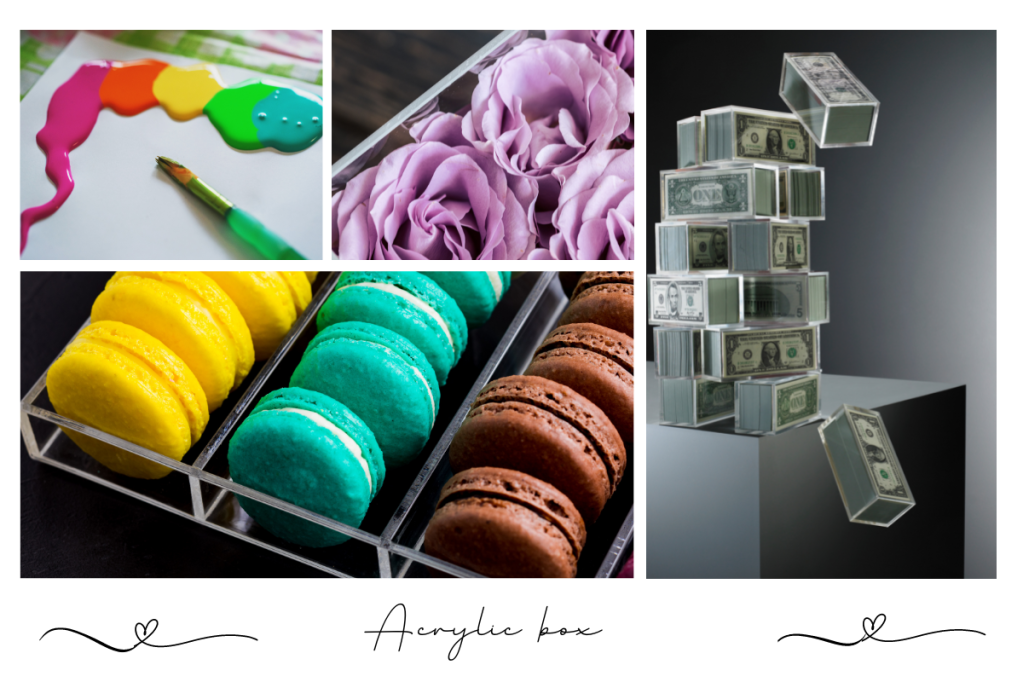
From Display Cases to Donation Boxes, Acrylic Boxes Can Serve Various Purposes in Singapore
Acrylic boxes are a popular choice for various purposes in Singapore, from showcasing products in retail stores to collecting donations for charitable organizations. Their versatile nature and customizable designs make them a practical and visually appealing option for many businesses and organizations.
In this article, we will explore the different types of acrylic boxes available in Singapore, their benefits, and how they can be used for various purposes.
Types of Acrylic Boxes
Acrylic boxes come in various sizes and shapes, depending on their intended use. Some common types of acrylic boxes include:
- Display Cases: Acrylic display cases are popular in retail stores to showcase products such as jewelry, cosmetics, and electronics. They are transparent, allowing customers to view the products from different angles while keeping them safe from dust and other contaminants.
- Donation Boxes: Acrylic donation boxes are used by many charities and non-profit organizations in Singapore to collect donations from the public. They are typically placed in high-traffic areas such as shopping malls, airports, and event venues.
- Literature Holders: Acrylic literature holders are commonly used in offices, libraries, and reception areas to display brochures, magazines, and other printed materials. They are usually wall-mounted, keeping the area neat and organized.
- Display Stands: Acrylic display stands are used to display products such as food, cosmetics, and toys in retail stores. They are designed to be eye-catching and can be customized to fit specific product dimensions.
Benefits of Acrylic Boxes
Acrylic boxes offer several benefits over other materials such as glass and metal. Some of these benefits include:
- Durability: Acrylic is a strong and durable material that can withstand impact and breakage. This makes acrylic boxes ideal for high-traffic areas and outdoor use.
- Lightweight: Acrylic is lighter than glass and metal, making it easier to transport and install.
- Customizable: Acrylic can be easily cut and molded to fit specific designs and sizes. This allows for a high level of customization and flexibility in the design process.
- Cost-effective: Acrylic is a more affordable material compared to glass and metal, making it a practical option for businesses and organizations on a budget.
Uses of Acrylic Boxes
Acrylic boxes can be used for various purposes in Singapore, including:
- Retail Displays: Acrylic display cases and stands can showcase products in retail stores, making them visually appealing to customers and encouraging sales.
- Donation Collection: Acrylic donation boxes can collect donations for charities and non-profit organizations in high-traffic areas such as shopping malls, airports, and event venues.
- Literature Display: Acrylic literature holders can display brochures and other printed materials in offices, libraries, and reception areas.
- Art Displays: Acrylic boxes can be used to display art pieces and sculptures in museums and galleries, providing a clear view of the artwork while protecting it from damage.
Material Composition
Acrylic boxes are made from a type of plastic called polymethyl methacrylate (PMMA), which is also known as acrylic glass. It is a transparent and shatter-resistant material that is lightweight and easy to work with. However, it is not heat-resistant and can be scratched if not handled carefully.
To avoid scratches and damage, it’s important to clean acrylic boxes with a soft, non-abrasive cloth and a mild cleaning solution. Avoid using harsh chemicals or rough materials that can scratch or damage the surface.
Design and Customization
Acrylic boxes are highly customizable and can be designed to fit specific dimensions, shapes, and colors. They can be cut and molded to create unique designs and shapes that fit the intended purpose.
When designing acrylic boxes, it’s important to consider the intended use and the environment in which they will be placed. For example, if the acrylic box will be used outdoors, it may need to be designed with UV-resistant materials to prevent yellowing and discoloration over time.
Safety and Security
Acrylic boxes can be designed with various safety and security features, depending on the intended use. For example, display cases can be designed with locks or alarms to prevent theft or damage to the products inside.
When using acrylic boxes for donation collection or other purposes, it’s important to ensure that they are placed in safe and secure areas to prevent theft or vandalism. Charities and non-profit organizations may also want to consider using tamper-proof seals or locks to ensure that donations are secure.
Environmental Considerations
Acrylic boxes are generally considered to be more environmentally friendly than other materials such as glass and metal. They are recyclable and can be melted down and reused to create new products.
However, it’s important to consider the environmental impact of the entire production and disposal process, including the energy and resources used to produce and transport the acrylic boxes. Businesses and organizations may want to consider using local suppliers to reduce transportation emissions and choosing eco-friendly production methods.
In addition, acrylic boxes can be designed with eco-friendly features such as energy-efficient LED lighting or using recycled materials in the production process.
Applications in Different Industries
Acrylic boxes are used in various industries and contexts in Singapore, beyond those mentioned in the previous answer. Here are a few examples:
- Healthcare: Acrylic boxes are used in hospitals and medical facilities to hold medical supplies, equipment, and specimens. They are often designed with locking mechanisms to ensure the safety and security of the contents.
- Education: Acrylic boxes are used in schools and universities to hold educational materials such as models, specimens, and artifacts. They are designed to be durable and easy to clean.
- Food and Beverage: Acrylic boxes are used in the food and beverage industry to display and store food items such as baked goods, fruits, and beverages. They are designed to be hygienic and easy to clean.
- Sports and Recreation: Acrylic boxes are used in sports and recreation settings to hold equipment, trophies, and memorabilia. They are often designed with custom branding and logos to showcase the team or organization.
- Installation
Acrylic boxes can be installed in a variety of ways, depending on the intended use and location. For example, wall-mounted acrylic boxes can be installed using screws or adhesive tape, while freestanding acrylic boxes may require a base or stand for support.
When installing acrylic boxes, it’s important to consider the weight and size of the box, as well as the strength of the mounting materials. Professional installation may be necessary for larger or more complex installations.
- Lighting
Acrylic boxes can be designed with built-in lighting to enhance the display or storage of products. LED lights are a popular choice as they are energy-efficient and produce minimal heat, which can damage the acrylic.
Lighting can be positioned at various angles to highlight specific areas of the box, such as shelves or compartments. It can also be customized to match the color temperature and intensity of the surrounding environment.
- Printing and Branding
Acrylic boxes can be customized with various printing and branding options, such as logos, graphics, and text. This makes them a popular choice for promotional and marketing purposes.
Printing can be done using various techniques, such as screen printing, digital printing, and vinyl cutouts. It’s important to use high-quality materials and inks to ensure that the print is durable and long-lasting.
- Maintenance
Acrylic boxes require regular maintenance to ensure that they remain clean and clear. This includes wiping them down with a soft cloth and mild cleaning solution to remove dust and debris.
In addition, scratches and scuffs can be removed using a specialized polishing compound. It’s important to avoid using abrasive materials or chemicals, as these can cause further damage to the acrylic.
- Cost
The cost of acrylic boxes in Singapore can vary depending on various factors, such as size, design, and customization. Generally, larger and more complex boxes will be more expensive than smaller and simpler ones.
It’s important to consider the long-term benefits and durability of acrylic boxes when evaluating their cost. While they may be more expensive upfront, they can be more cost-effective in the long run due to their durability and low maintenance requirements.
Conclusion
In conclusion, acrylic boxes are a versatile and practical solution for various storage, display, and promotional purposes in Singapore. Their durability, clarity, and customizability make them a popular choice for businesses and organizations in various industries, such as retail, hospitality, and healthcare.
Acrylic boxes can be designed and customized to meet the specific needs of each business, such as size, shape, lighting, printing, and branding. With the use of high-quality materials and inks, acrylic boxes can be durable and long-lasting, making them a cost-effective solution in the long run.
However, it’s important to consider factors such as installation, maintenance, and cost when evaluating the use of acrylic boxes. Professional installation may be necessary for larger or more complex installations, and regular maintenance is required to keep them clean and clear. Additionally, the cost of acrylic boxes can vary depending on various factors such as size, design, and customization.
Overall, acrylic boxes are a practical and versatile option for businesses and organizations in Singapore. By considering the specific needs and requirements of their operations, they can make informed decisions about the use of acrylic boxes for their storage, display, and promotional purposes.
 Hey Singapore