
Introduction
Keeping our homes clean and tidy is an essential aspect of our daily lives. A clean home not only ensures a healthy environment but also helps in maintaining the aesthetic appeal of our living space. Mopping is an integral part of cleaning, and having the right mop can make the task easier and more efficient. However, with the multitude of mop options available in the market, it can be overwhelming to select the best mop for your needs. In this guide, we will provide you with comprehensive information on the types of mops available, their features, and their suitability for different cleaning requirements.
Types of Mops
Traditional Mop
The traditional mop, also known as the string mop, is the most commonly used mop. It consists of a long handle and a cotton or synthetic mop head attached to it. The mop head is dipped into a bucket of cleaning solution and water, and then the excess liquid is squeezed out. Traditional mops are best suited for cleaning hard floors such as tiles, linoleum, and hardwood floors. However, they are not suitable for cleaning carpets.
Flat Mop
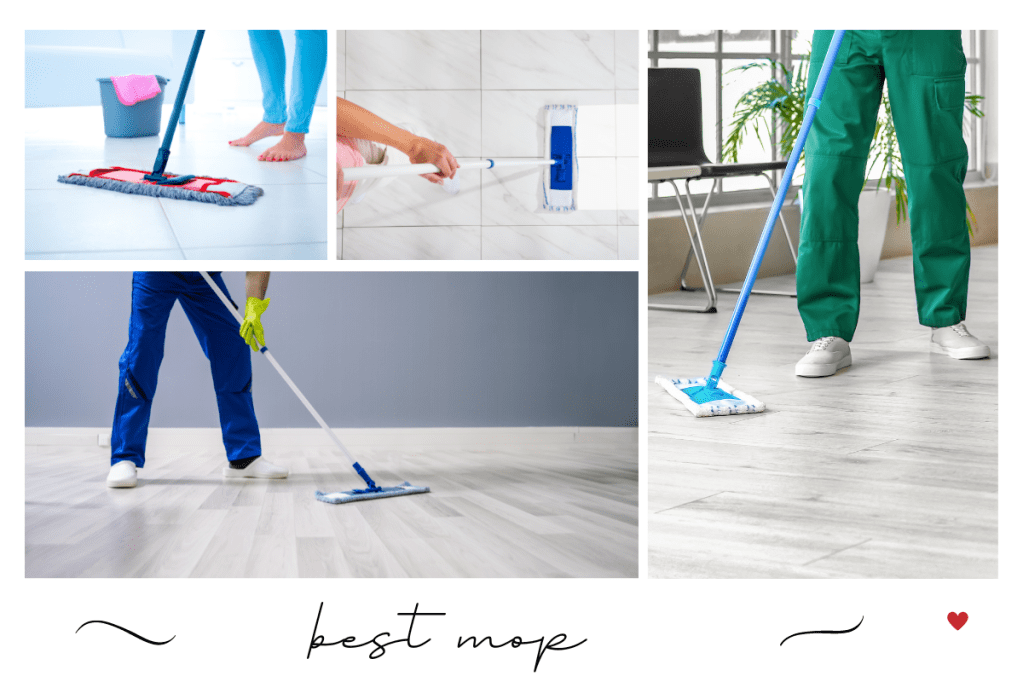
Flat mops, also known as microfiber mops, have a rectangular head with a flat base. The head is covered in a microfiber cloth that can be removed and washed after use. Flat mops are ideal for cleaning large surfaces and can also be used on walls and ceilings. They are more effective in cleaning dirt and grime compared to traditional mops.
Spin Mop
Spin mops are a more recent addition to the cleaning industry. They consist of a bucket with a spinning mechanism and a mop head attached to a handle. The mop head is dipped into the cleaning solution and water, and then the excess water is removed by spinning it in the bucket. Spin mops are more efficient in cleaning as they can remove more dirt and grime compared to traditional mops.
Steam Mop
Steam mops use steam to clean and disinfect floors. They have a water tank attached to a handle and a mop head. When turned on, the mop head heats up and produces steam that cleans and disinfects the floor. Steam mops are best suited for hard floors and can be used to clean carpets, but they are not suitable for delicate surfaces such as wood.
Features to Consider
Mop Head
The mop head is the most crucial part of a mop as it comes into contact with the surface being cleaned. Mop heads come in different materials such as cotton, microfiber, and synthetic. Microfiber mop heads are more effective in cleaning as they can trap dirt and grime more efficiently compared to traditional cotton mop heads. Some mop heads are also machine washable, which makes them easier to clean and reuse.
Handle Length
The handle length of a mop is essential to consider, especially for tall individuals. A mop with a short handle can cause strain on the back and shoulders, leading to discomfort and fatigue. A mop with an adjustable handle length can be more convenient, as it can be adjusted to suit the user’s height.
Bucket Capacity
For traditional and spin mops, the bucket capacity is an essential factor to consider. A smaller bucket may require frequent refills, which can be time-consuming and tedious. A larger bucket can hold more water, reducing the need for frequent refills. However, a larger bucket can be challenging to move around, especially when filled with water.
Ease of Use
Mopping can be a time-consuming and tiring task. Therefore, it is essential to choose a mop that is easy to use. A mop with a lightweight handle can be more comfortable to maneuver, reducing the risk of fatigue.
Maneuverability
The maneuverability of a mop is crucial, especially when cleaning tight spaces and corners. A mop with a swivel head can be more convenient, as it can easily reach into tight spaces and corners.
Durability
The durability of a mop is an essential factor to consider. A mop made of high-quality materials can withstand wear and tear, reducing the need for frequent replacement. Mops made of durable materials such as stainless steel and aluminum can be more long-lasting compared to those made of plastic.
Price
Price is an essential factor to consider when selecting a mop. Mops come in different price ranges, and it is important to choose one that fits within your budget. However, it is important to note that a higher price does not necessarily equate to better quality. It is important to consider the features and functionality of a mop before making a purchase.
Suitability for Different Cleaning Requirements
Traditional Mop
Traditional mops are best suited for cleaning hard floors such as tiles, linoleum, and hardwood floors. They are effective in removing dirt and grime, but may not be suitable for removing stubborn stains. Traditional mops are not suitable for cleaning carpets.
Flat Mop
Flat mops are ideal for cleaning large surfaces such as hallways, kitchens, and bathrooms. They are more effective in cleaning dirt and grime compared to traditional mops. Flat mops are also suitable for cleaning walls and ceilings.
Spin Mop
Spin mops are more efficient in cleaning as they can remove more dirt and grime compared to traditional mops. They are best suited for cleaning hard floors such as tiles, linoleum, and hardwood floors. Spin mops are also suitable for cleaning walls and ceilings.
Steam Mop
Steam mops are best suited for cleaning hard floors such as tiles, linoleum, and hardwood floors. They can also be used to clean carpets, but are not suitable for delicate surfaces such as wood. Steam mops are effective in removing stubborn stains and disinfecting floors.
Conclusion
Selecting the right mop can make cleaning a more efficient and less tiring task. Traditional mops, flat mops, spin mops, and steam mops are the most common types of mops available in the market. When selecting a mop, it is important to consider factors such as the mop head, handle length, bucket capacity, ease of use, maneuverability, durability, and price. It is also important to consider the suitability of a mop for different cleaning requirements. By considering these factors, you can select the best mop for your cleaning needs and maintain a clean and healthy living space.
Bonus Tips for Effective Mopping
Sweep or Vacuum First
Before mopping, it is important to sweep or vacuum the floor to remove loose dirt and debris. This can make mopping more effective and prevent the mop from getting clogged with dirt and debris.
Use the Right Cleaning Solution
Using the right cleaning solution can make mopping more effective. For hard floors, a solution of water and vinegar or mild detergent can be effective. For stubborn stains, a solution of warm water and baking soda can be used. It is important to follow the manufacturer’s instructions when using cleaning solutions.
Wring the Mop Thoroughly
Before mopping, it is important to wring the mop thoroughly to remove excess water. A wet mop can leave streaks and make the floor slippery.
Use the Right Technique
To mop effectively, it is important to use the right technique. Start at the farthest corner of the room and work your way towards the door. Use a figure-eight motion to ensure that the entire floor is covered.
Change the Water Regularly
To prevent the mop from spreading dirt and bacteria, it is important to change the water regularly. If the water becomes dirty or cloudy, it is time to change it.
Dry the Floor
After mopping, it is important to dry the floor to prevent slips and falls. Use a clean, dry mop or towel to dry the floor thoroughly.
In conclusion, selecting the best mop for your cleaning needs can make mopping a more efficient and less tiring task. Traditional mops, flat mops, spin mops, and steam mops are the most common types of mops available in the market, and each type has its advantages and disadvantages. By considering factors such as the mop head, handle length, bucket capacity, ease of use, maneuverability, durability, and price, you can select the best mop for your cleaning needs. It is also important to consider the suitability of a mop for different cleaning requirements. Additionally, using the right cleaning solution, wringing the mop thoroughly, using the right technique, changing the water regularly, and drying the floor can make mopping more effective. With the right mop and technique, you can maintain a clean and healthy living space.
FAQs
How often should I mop my floors?
The frequency of mopping floors depends on factors such as the amount of foot traffic, the type of flooring, and the presence of pets or children. As a general rule, high-traffic areas should be mopped once a week, while low-traffic areas can be mopped once a month.
How do I clean my mop after use?
After use, rinse the mop thoroughly with clean water to remove any dirt and debris. Allow the mop to air dry before storing it. If the mop head is machine washable, you can wash it in the washing machine using a mild detergent.
Can I use a mop on carpets?
Traditional mops and flat mops are not suitable for cleaning carpets. Spin mops can be used on carpets, but are not as effective as carpet cleaners or vacuums. Steam mops can also be used on carpets, but it is important to ensure that the carpet is not too delicate or sensitive to heat.
Can I use a mop on wood floors?
Traditional mops and flat mops can be used on wood floors, but it is important to ensure that the mop is not too wet. Excess water can damage wood floors. Spin mops and steam mops can also be used on wood floors, but it is important to ensure that the mop is not too hot.
Can I use a mop to clean walls and ceilings?
Flat mops, spin mops, and steam mops can be used to clean walls and ceilings. It is important to ensure that the mop is not too wet or too hot. For high walls and ceilings, it may be necessary to use an extension handle.
Final Thoughts
Mopping is an essential part of maintaining a clean and healthy living space. By selecting the best mop for your cleaning needs, you can make mopping a more efficient and less tiring task. Traditional mops, flat mops, spin mops, and steam mops are the most common types of mops available in the market, and each type has its advantages and disadvantages. It is important to consider factors such as the mop head, handle length, bucket capacity, ease of use, maneuverability, durability, and price when selecting a mop. Additionally, using the right cleaning solution, wringing the mop thoroughly, using the right technique, changing the water regularly, and drying the floor can make mopping more effective. With the right mop and technique, you can maintain a clean and healthy living space.
 Hey Singapore