
Discover the profound impact of 2 piece clothing on our psyche and social interaction. Unravel the intricate relationship between attire and perception.
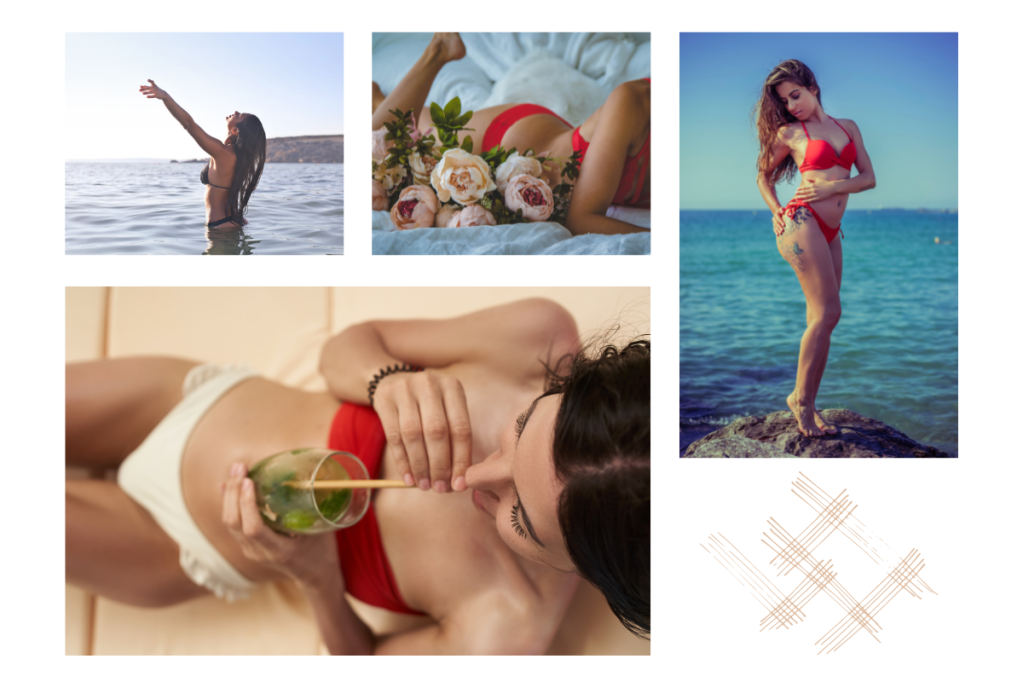
The Psychology of Colour in 2 Piece Clothing: How it Influences Mood and Emotions
Because of the profound effect it has on our moods, color theory has been shown to influence not just our aesthetic preferences but also our social interactions and even our political leanings. The colors we choose to put on may have a profound effect on how we feel and act. Particularly when it comes to two-piece outfits, one’s self-perception and others’ perceptions are heavily influenced by the psychology of color.
Many studies have demonstrated the power of color on human emotions and actions. Feelings of enthusiasm, warmth, and optimism are associated with “warm” colors like red, orange, and yellow; “cool” colors like blue, green, and purple are more tranquil, relaxing, and soothing. It has also been demonstrated that different colors have different effects on people. Wearing the color red, for instance, has been linked to feeling more certain and powerful, while donning a blue ensemble may be soothing and project an air of reliability.
Color selections in two-piece outfits may have a major impact on how a person feels about themselves and how others see them. One’s confidence, disposition, and the reactions of others around them may all be affected by the colors they choose to wear. The wearer of a red two-piece suit, for instance, can come across as assertive and dominant, whereas the wearer of a blue suit would come across as kind and reliable. Those who wish to create an impact and send a statement via their clothing choices should, therefore, familiarize themselves with the psychological significance of color in two-piece outfits.
The Impact of Fit and Cut on Self-Perception and Body Image
Individuals’ self-perceptions and body images can be significantly influenced by the fit and cut of the clothes they wear. A person’s sense of self-worth, confidence, and body image are all impacted by the clothes they wear, which in turn affects their mental and emotional health. Because of the power that clothes have over our perspective of ourselves and the world, it’s important to be aware of how the clothes we wear affect our sense of style and our sense of body image.
Researchers have shown that people’s perceptions of themselves and their body images are greatly impacted by the way clothes fit and hang on them. Uncomfortable emotions of self-consciousness and anxiety can result from wearing clothing that is either too tight or too loose, which can alter one’s perception of one’s body. But, a more positive body image might be the result of wearing clothes that fit well and highlight our best features.
The shape we give ourselves is greatly influenced by the way our clothes fit. The way we feel about ourselves and the way others see us may be affected by the hairstyle we choose. You may seem more put together and professional, for example, by investing in a well-fitted jacket that emphasizes your shoulders and waist. Much as how a fitted top may draw attention to your waist and hips, a dress with a flared skirt can do the same thing for your curves. Those who want to improve their looks and self-confidence through their clothing choices should have a firm grasp on the significance of fit and cut in influencing these outcomes.
The way we feel about ourselves, the emotions we feel, and the way we see our bodies may all be affected by the way we dress. A person’s looks, self-esteem, and general well-being may all benefit from well considered clothing choices, and they can be made more effectively if they have a firm grasp of the psychological factors at play. Individuals may utilize fashion as a means of self-expression, communication, and impression management if they take these considerations into account.
The Influence of Social Norms and Culture on 2 Piece Clothing Choices
Social conventions and cultural ideas are two of many elements that might affect an individual’s choice of clothing. People’s sense of self is heavily influenced by cultural and societal standards, including the clothes they choose to wear. Fashion preferences, including those for two-piece outfits, can be affected by norms from various cultures as well as individual tastes.
Both cultural expectations and personal preferences might impact a person’s decision to wear a bare midriff. Two-piece bathing suits, for instance, may be frowned upon in some societies but accepted in others. In a similar vein, social norms could indicate that certain pairs of pants or skirt and top are inappropriate outside of specific events or workplaces. Knowing how social conventions and cultural influences shape preferences for two-piece outfits is important for anybody interested in expressing themselves authentically via their attire.
The selection of a two-piece outfit is also heavily influenced by the wearer’s own taste. Two-piece outfits that do not adhere to cultural or societal norms are acceptable if they are worn by the individual in question. One’s style of dress might be seen as an indication of one’s character, disposition, and feelings. Consequently, it is crucial for anybody wishing to make a statement and express a particular message via their clothing choices to comprehend the impact of social conventions and culture on two-piece garments.
The Power of 2 Piece Clothing in Non-Verbal Communication and Impressions
The importance of non-verbal cues in everyday conversation and social interactions cannot be overstated. To a large extent, the impression we give and the signals we send may be affected by the two-piece outfits we choose to wear. Recognizing the significance of two-piece clothes in nonverbal communication is crucial because of the messages they might provide about the wearer’s self-assurance, competence, and even authority.
Different combinations of a top and a bottom might send diverse messages to those around you. For instance, in formal settings like job interviews or business meetings, a well-tailored two-piece suit may convey professionalism and power. Wearing a colorful, striking two-piece costume is also a terrific way to project assurance and originality during social gatherings. Everyone who wishes to make an impressive first impression and communicate successfully via their attire should familiarize themselves with the meanings provided by various two-piece clothing options.
Body language is another kind of nonverbal communication that may be enhanced by wearing a two-piece outfit. How we wear two-piece outfits sends a message to onlookers through our body language. Confidence and openness may be conveyed through the use of nonverbal cues such as posture and body language; anxiety and discomfort can be conveyed by slouching and fidgeting, for example. So, it is crucial for anybody hoping to make a good first impression and express a certain message through their clothing choices to be aware of the significance of two-piece clothes in non-verbal communication.
It’s important to keep in mind the weight of social conventions and cultural expectations, as well as the significance of two-piece clothes in nonverbal expression, while deciding what to wear. As a result of having this knowledge, people are better able to make choices that are congruent with their character, disposition, and emotions, as well as make a good first impression and convey their thoughts and feelings clearly. The right choice of two-piece outfit may be a strong instrument for self-expression, confidence, and success, therefore it’s important to give it some thought before making a purchase.
The Relationship Between 2 Piece Clothing and Personal Branding
Branding oneself is the process of developing a unique identity that sets one apart from others. Two-piece outfits may play a pivotal role in developing and promoting a person’s brand identity, and this is because clothing is an integral part of personal branding. It is important to grasp the connection between personal branding and two-piece apparel since the way we dress may convey our personality, beliefs, and objectives.
The utilization of matching sets in an individual’s wardrobe may help establish a distinct and memorable style. Two-piece outfits, such as a tailored suit or a colorful jacket and pants, are a good example of a distinctive style that may help others recognize a specific person. A powerful personal brand and a unified message about one’s character and beliefs can be the result. So, it is crucial for everyone seeking to establish a powerful and distinctive personal brand to comprehend the connection between two-piece apparel and personal branding.
You may utilize your choice of color and design to make a statement about who you are by wearing a matching top and bottom. Using color and pattern as a means of expression, one may send a message to the world about one’s ideals and objectives. Similarly, establishing a distinct and memorable brand for oneself is facilitated by donning a two-piece outfit that speaks to one’s individual tastes and interests. If you want to make an impact and communicate clearly via your wardrobe choices, you need to have a firm grasp of the significance of two-piece outfits in personal branding.
The Role of 2 Piece Clothing in Fashion: Trends and Influences
The two-piece suit has a long and illustrious history in the world of fashion. Two-piece ensembles, from the fitted suits of the 1920s to the bright co-ords of today, have been shaped by fashion and social shifts. The significance of two-piece outfits in the fashion industry can help shed light on how styles change and how much social pressures play a part in shaping people’s preferences.
Many designs and trends show how far the two-piece outfit has come in the history of fashion. The 1980s power suit, for instance, symbolized the era’s movement toward female independence and the rejection of traditional gender roles. Tracksuits with matching sweatpants were another popular style in the early 2000s. Sustainability and gender-neutral design are two contemporary influences on today’s two-piece outfits. Anybody who wants to keep up with the latest fashions and make well-informed purchases should have a firm grasp of these trends and their implications for two-piece clothes.
Cultural shifts have always had an impact on the development of two-piece suits. The advent of the bikini, for instance, in the 1940s indicated a shift in how society saw women’s bodies and the idealized shape of a woman. A similar tendency toward young culture and revolt against established conventions may be seen in the 1960s Mod style’s meteoric rise to fame. If you want to know how fashion has changed through time and how society functions, you need to know how cultural shifts have affected two-piece outfits.
 Hey Singapore