
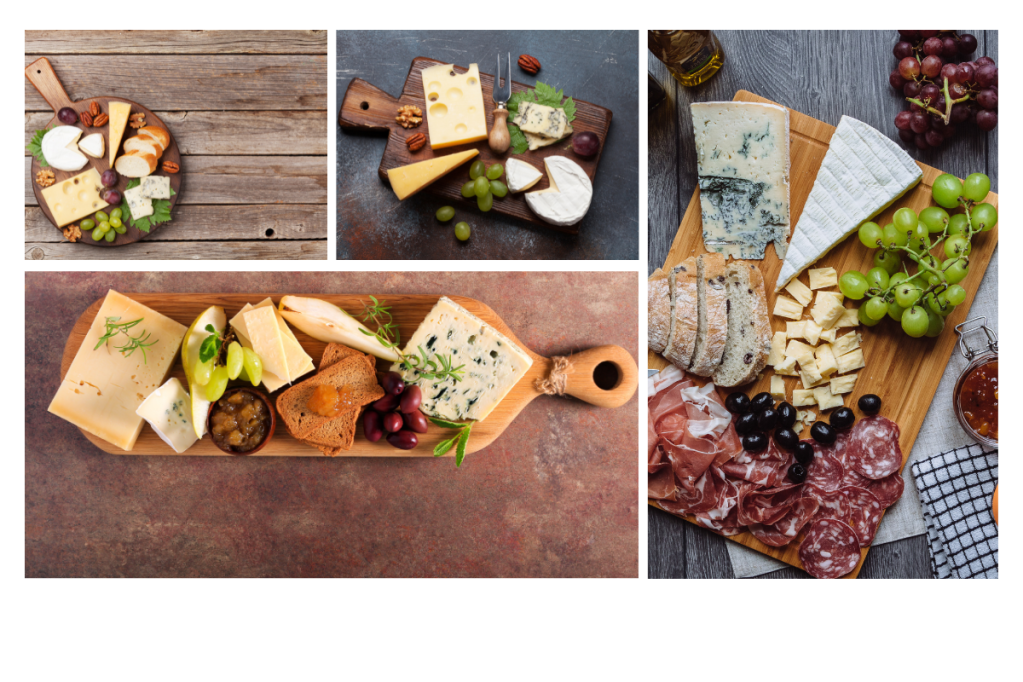
A cheese board is a platter or board typically used to display and serve a variety of cheeses along with other complementary foods such as crackers, fruits, nuts, meats, and spreads. The board can be made from various materials such as wood, marble, or slate and can be of different shapes and sizes.
Cheese boards are perfect for any occasion because they are versatile and customizable. They can be served as a main course, appetizer, or dessert and can be tailored to suit different tastes and preferences. Cheese boards are also great for entertaining as they offer a visually appealing display and allow guests to mix and match different flavors and textures.
In addition, cheese boards are easy to assemble and require minimal preparation, making them ideal for both formal and informal gatherings. They can also be prepared in advance, which saves time and reduces stress when hosting an event.
Overall, cheese boards are a perfect addition to any occasion as they provide a delicious and visually appealing way to enjoy a variety of flavors and textures.
When it comes to choosing cheese for a cheese board, it’s important to select a variety of cheeses with different textures, flavors, and strengths. This helps to cater to different tastes and preferences and creates a well-rounded cheese board. Here are some tips for selecting cheese:
Variety: Include a variety of cheeses such as soft, semi-soft, hard, blue, and aged. This ensures that there is a range of textures and flavors on the board.
Flavors: Choose cheeses with different flavors such as mild, tangy, nutty, and sharp. This provides a range of taste experiences for guests.
Strength: Select cheeses with varying strengths, from mild to strong, to cater to different palates.
Here are some common types of cheese to consider including on a cheese board:
Soft cheese: Brie, Camembert, goat cheese
Semi-soft cheese: Gouda, Havarti, Fontina
Hard cheese: Cheddar, Manchego, Parmesan
Blue cheese: Roquefort, Stilton, Gorgonzola
Aged cheese: Gruyere, Comté, aged cheddar
In terms of how much cheese to serve per person, a good rule of thumb is to offer around 2-3 ounces of cheese per person. This can vary depending on the number of other food items on the board and the duration of the event. It’s always better to have a little extra cheese on hand, as guests may want to try multiple types of cheese.
In addition to the cheese, a great cheese board includes a variety of accompaniments to complement the flavors and textures of the cheese. Here are some common accompaniments to consider including on a cheese board:
Crackers: Choose a variety of crackers such as plain, seeded, or flavored to provide a base for the cheese.
Breads: Add some sliced baguette or crusty bread to the cheese board to provide a heartier option for guests.
Fruits: Include fresh or dried fruits such as grapes, figs, or apricots to add a sweet contrast to the cheese.
Nuts: Add some nuts such as almonds, walnuts, or pecans to provide a crunchy texture to the cheese board.
Other accompaniments to consider include spreads such as honey, chutney, or mustard, and meats such as prosciutto or salami.
When selecting accompaniments, it’s important to consider the flavors and textures of the cheese and aim to provide a range of complementary flavors and textures. This creates a well-rounded cheese board that guests can mix and match to their liking.
Pairing cheese with the right drink can elevate the flavor experience of the cheese board. Here are some common drink options to consider when planning the perfect pairings for a cheese board:
Wine: Wine is a classic pairing for cheese and there are a variety of wine options that work well with different types of cheese. For example, light-bodied white wines such as Sauvignon Blanc pair well with fresh and tangy cheeses such as goat cheese, while full-bodied red wines such as Cabernet Sauvignon pair well with aged and hard cheeses such as cheddar or Gouda.
Beer: Beer is another great option for pairing with cheese, particularly for those who prefer a more hoppy or bitter flavor. Ales and lagers work well with a variety of cheeses, but for a more specific pairing, try pairing a pilsner with a mild cheese such as brie or a porter with a stronger cheese such as blue cheese.
Cocktails: Cocktails can also be a great option for pairing with cheese, particularly for those who prefer a sweeter drink. For example, a gin and tonic pairs well with a soft cheese such as Camembert or Brie, while a whiskey sour can complement the sharpness of a cheddar or Gruyere.
When selecting drinks to pair with cheese, it’s important to consider the flavors and textures of both the cheese and the drink and aim for complementary flavors. It’s also important to remember that everyone’s taste preferences are different, so there is no right or wrong pairing. The key is to experiment and find what works best for your personal taste.
Creating an aesthetically pleasing cheese board can add to the overall experience of enjoying the cheese and accompaniments. Here are some tips for creating a visually appealing cheese board:
Choosing the board: Choose a board that complements the style of the event and the type of cheeses and accompaniments you are using. A wooden board is a classic choice that works well with most cheese boards, while a slate or marble board can add a modern touch.
Placing the cheeses and accompaniments: Start by placing the cheeses on the board, making sure to leave enough space between them for the accompaniments. Try to create different levels and textures by cutting the cheese into different shapes and sizes. Arrange the accompaniments around the cheese, grouping them by type and creating a visually appealing display.
Adding decorative elements: Adding decorative elements such as fresh herbs, flowers, or decorative toothpicks can add to the overall aesthetic of the cheese board. Just be sure that any decorative elements are edible and do not interfere with the flavors of the cheese and accompaniments.
When arranging the cheese and accompaniments on the board, consider the colors and textures of each item and aim for a balanced and visually appealing display. It’s also important to remember that the board should be functional, so leave enough space for guests to access the cheese and accompaniments. With these tips, you can create a cheese board that not only tastes great but looks great too!
A cheese board is a great option for a casual gathering, as it can be a simple and easy way to provide a tasty snack or appetizer for guests. Here are some tips for creating a cheese board for a casual gathering:
Choosing the right cheese: For a casual gathering, it’s best to choose cheeses that are familiar and crowd-pleasing. Some good options include cheddar, brie, gouda, or goat cheese. Aim for a variety of textures and strengths to cater to different tastes.
Simple accompaniments: Keep the accompaniments simple and easy to prepare. Some good options include plain or seeded crackers, sliced baguette, grapes, and nuts. These items can be easily found at any grocery store and require minimal preparation.
How to assemble the board: Start by selecting a board that fits the size of your gathering. Place the cheese on the board, leaving enough space between each type of cheese for the accompaniments. Arrange the crackers and bread around the cheese, and place the fruit and nuts in small bowls or scattered around the board. If desired, add a small bowl of honey or mustard for guests to use as a spread.
Remember to keep the cheese board at room temperature and allow the cheese to sit out for 20-30 minutes before serving to allow it to come to room temperature and fully develop its flavor. With these tips, you can create a simple and delicious cheese board that is sure to be a hit at any casual gathering!
 Hey Singapore