
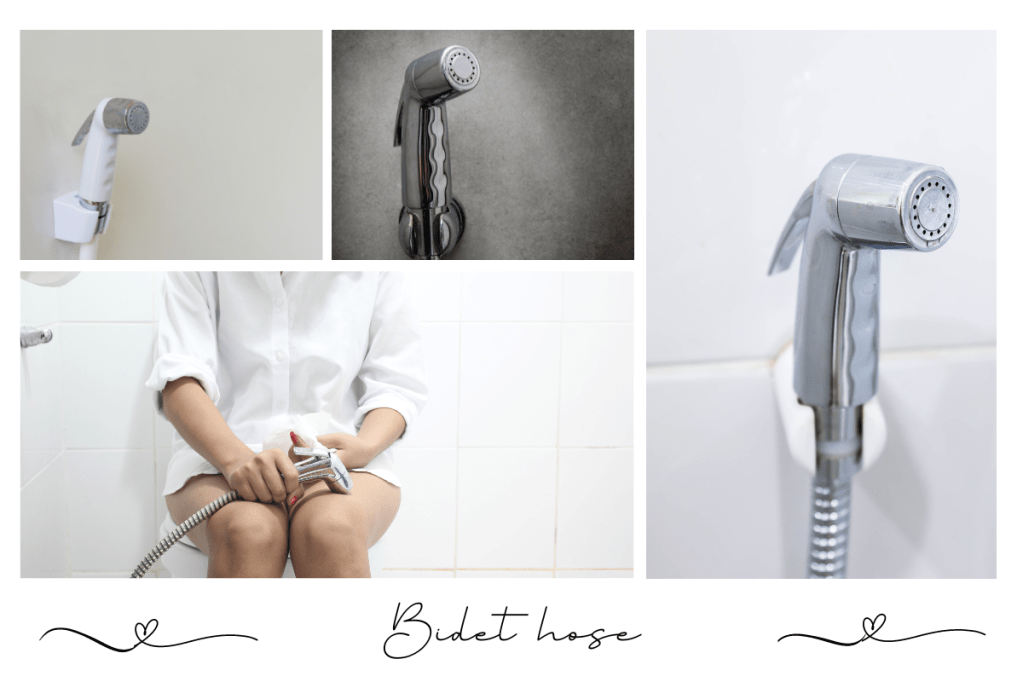
The bidet hose, a versatile and convenient bathroom accessory, is becoming increasingly popular among those who seek a luxurious and hygienic bathroom experience. With its long and flexible hose, the bidet hose allows for easy and precise cleaning, leaving you feeling fresh and clean. In this article, we will explore the benefits of using a bidet hose, how to install it, and how it compares to other types of bidets. Best Bidet hose are here
What is a Bidet Hose?
Bidet hoses have become increasingly popular in recent years, as more people are recognizing the benefits they offer in terms of hygiene, cleanliness, and sustainability. These hoses are often found in public restrooms, hotels, and homes throughout Europe and Asia, where they have been used for decades.
Bidet hoses are typically made from high-quality materials like stainless steel or chrome, which are durable and resistant to rust and corrosion. The spray nozzle at the end of the hose is designed to provide a gentle and adjustable spray of water, allowing users to customize the strength and direction of the spray according to their needs. Some bidet hoses even come with multiple spray settings, including options for feminine hygiene and baby care.
One of the key advantages of using a bidet hose is that it promotes better hygiene and cleanliness compared to traditional toilet paper. Using a bidet hose ensures that the genital and anal areas are thoroughly cleaned, eliminating any residual bacteria or fecal matter that may remain after wiping with toilet paper. This can help reduce the risk of urinary tract infections, yeast infections, and other related health issues.
Benefits of Using a Bidet Hose
Improved Hygiene and Cleanliness
One of the primary benefits of using a bidet hose is improved hygiene and cleanliness. Bidet hoses allow for thorough cleaning of the genital and anal areas, eliminating the need for toilet paper, which can leave behind residue and bacteria. Using a bidet hose can also help reduce the risk of urinary tract infections and other related health issues.
Environmentally Friendly
Bidet hoses are an environmentally friendly alternative to toilet paper. With concerns about deforestation and pollution, using a bidet hose can reduce the amount of paper waste that ends up in landfills. Additionally, bidet hoses do not require electricity, making them an energy-efficient option.
Cost-Effective
Bidet hoses are a cost-effective alternative to traditional bidets. They are generally more affordable and require minimal installation, making them an accessible option for those on a budget. Additionally, bidet hoses do not require any additional plumbing or electrical work, making them easy to install and maintain.
Convenient and Versatile
Bidet hoses are incredibly convenient and versatile. With their long and flexible hose, they can be used for various cleaning purposes, such as cleaning your feet or even your bathtub. Additionally, bidet hoses can be used by individuals of all ages and abilities, making them an excellent option for families or those with disabilities.
How to Install a Bidet Hose
Installing a bidet hose is a relatively simple process that can be done by anyone with basic plumbing knowledge. Here are the steps to install a bidet hose:
Bidet hoses have become increasingly popular as people look for more hygienic and environmentally friendly alternatives to traditional toilet paper. Bidet hoses, also known as handheld bidets or shattaf, are simple devices that attach to your toilet and allow you to clean yourself with water after using the bathroom. Installing a bidet hose may seem like a daunting task, but with the right tools and a little know-how, it can be a quick and easy process.
Step 1: Turn off the Water Supply Before beginning the installation process, it is crucial to turn off the water supply to the toilet. This can typically be done by turning the shut-off valve located behind the toilet. Turning off the water supply will prevent any water from flowing while you are making the necessary connections.
Step 2: Remove the Existing Hose If your toilet already has a hose attached to it, you will need to remove it before installing the bidet hose. This can be done by unscrewing the hose from the water supply valve and the toilet tank. Make sure to have a towel or bucket handy to catch any water that may spill out when you remove the hose.
Step 3: Attach the T-Valve The T-valve is a crucial component of the bidet hose installation process. It is used to divert water from the toilet tank to the bidet hose. To install the T-valve, simply unscrew the water supply hose from the toilet tank and attach the T-valve in its place. Make sure to tighten the connections to prevent any leaks.
Step 4: Attach the Bidet Hose Once the T-valve is in place, it is time to attach the bidet hose. Simply attach the bidet hose to the T-valve and the spray nozzle to the other end of the hose. Make sure to tighten all connections to prevent any leaks.
Step 5: Test the Bidet Hose Before using the bidet hose, it is essential to test it for any leaks or issues. Turn on the water supply and check for any leaks or drips. Once you have confirmed that everything is in working order, you can begin to use your bidet hose.
The Many Benefits of Using a Bidet Hose
Bidet hoses are not only an innovative and environmentally-friendly solution to personal hygiene, but they also come with several benefits that can enhance your daily routine. Here are some of the many benefits of using a bidet hose:
- Improved Personal Hygiene The use of a bidet hose ensures that you maintain a higher level of personal hygiene than just using toilet paper alone. After using the toilet, the bidet hose sprays a stream of water to clean your intimate areas thoroughly. This cleaning method is more effective in removing any dirt or bacteria that may have been missed by toilet paper. The bidet hose ensures that you leave the bathroom feeling fresh and clean, with reduced chances of skin irritation and infection.
- Saves Money and the Environment Using a bidet hose reduces the amount of toilet paper you use, which is not only beneficial to your wallet but also the environment. Toilet paper is not biodegradable and can take up to 30 years to decompose. Bidet hoses are a more eco-friendly option that can help reduce your carbon footprint and the amount of waste you produce.
- Improved Health Using a bidet hose can be particularly beneficial for people who suffer from hemorrhoids or other medical conditions that cause discomfort in the anal area. The gentle stream of water can help reduce irritation and promote healing. Additionally, bidet hoses are also beneficial for women during menstruation, as they can provide a gentle and soothing cleanse without causing any discomfort.
- Increased Comfort Using a bidet hose can provide a more comfortable and luxurious bathroom experience. The warm water from the bidet hose can provide a soothing and relaxing sensation, especially during cold winter months. Some bidet hoses come with adjustable water pressure and temperature settings, allowing you to customize your experience to your liking.
- Easy to Use Bidet hoses are easy to use and require minimal maintenance. They can be installed in just a few minutes and come with easy-to-follow instructions. Most bidet hoses also come with a self-cleaning function, which ensures that the nozzle is always clean and hygienic.
Conclusion
A bidet hose, also known as a handheld bidet, is an articulated conduit that links to the water supply in your lavatory. The hose typically sports a nozzle affixed to its terminus, permitting facile and exacting cleansing. Bidet hoses are ubiquitous in countries like Japan and parts of Europe, where they present an appealing alternative to traditional toilet paper.
The primary boon of using a bidet hose is augmented hygiene and sanitation. Bidet hoses enable scrupulous cleansing of the genital and anal regions, obviating the need for toilet paper, which can engender residue and bacteria. Availing oneself of a bidet hose can also curtail the likelihood of urinary tract infections and related health issues.
Bidet hoses are constructed from diverse materials, including plastic, metal, and rubber. They come in an array of sizes and functionalities, ranging from basic models to those with advanced features such as adjustable water pressure and temperature controls. In addition, bidet hoses are customizable, allowing individuals to tailor the cleaning experience to their preferences.
While the notion of installing a bidet hose may be intimidating, the process is relatively straightforward and can be executed by individuals with rudimentary plumbing skills. The primary components of the installation process include shutting off the water supply, detaching the extant hose (if applicable), affixing the T-valve, connecting the bidet hose, and verifying for leakage.
Bidet hoses are not exclusive to personal use but are also fixtures in public restrooms, particularly in regions where bidets are ubiquitous. This attests to the escalating prominence of bidet hoses as a sustainable and hygienic alternative to traditional toilet paper.
In conclusion, bidet hoses are a worthwhile investment for those seeking to elevate their sanitation and minimize their environmental impact. With a plethora of designs and features available, it is facile to find a bidet hose that suits one’s needs and preferences. By adhering to the uncomplicated installation process and maintaining proper care of the bidet hose, one can bask in an enhanced and sustainable bathroom experience for many years to come.
 Hey Singapore