
The USB Charger, a compact device that can fit in the palm of your hand, has revolutionized the way we charge our electronic devices. The USB (Universal Serial Bus) technology was first introduced in 1996, and since then, it has undergone several upgrades to become the ubiquitous charging solution we use today. In this article, we will explore the fascinating world of USB Chargers and delve into their technology, history, and future.
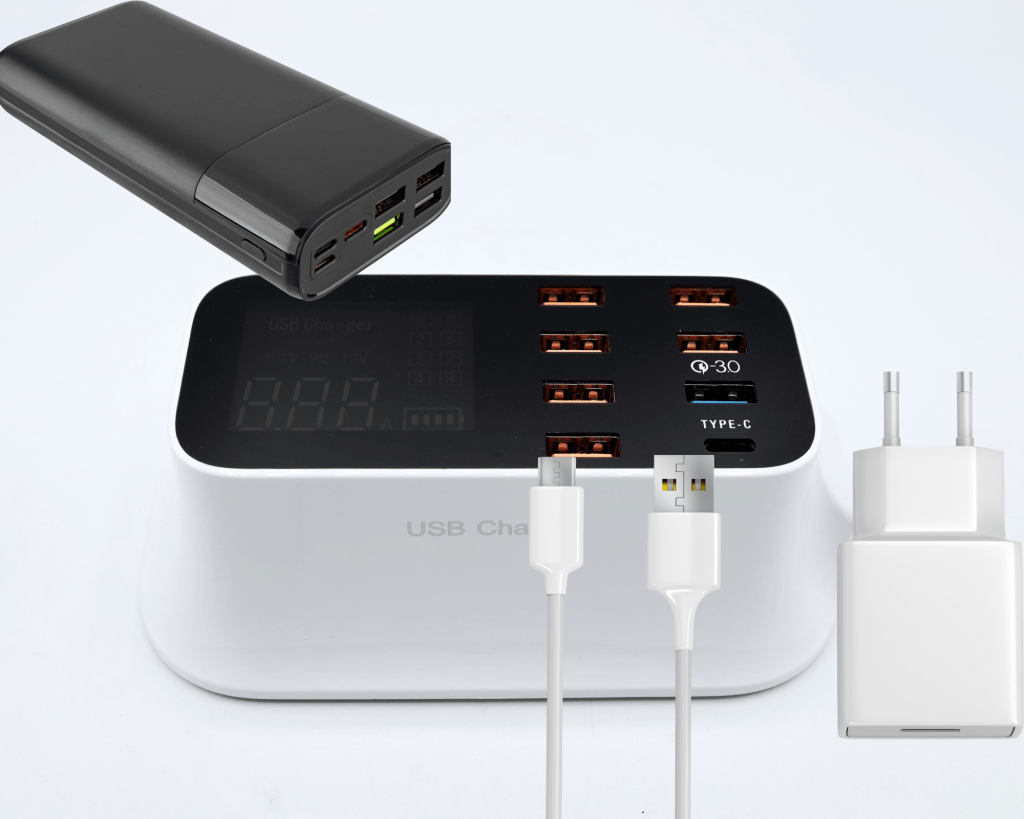
USB Charger Technology
The USB Charger is a technological marvel that uses a complex set of processes to charge electronic devices. It has a voltage regulator that adjusts the voltage of the electrical current to ensure that the device being charged receives the appropriate amount of power. The charger also has a microcontroller that controls the charging process and ensures that the device does not overcharge, overheat, or short-circuit.
The History of USB Chargers
The USB Charger has a rich history that spans over two decades. In 1996, the first USB 1.0 was introduced, and it had a maximum transfer rate of 12 Mbps. The USB 2.0, introduced in 2000, was ten times faster than the USB 1.0, with a maximum transfer rate of 480 Mbps. In 2007, the USB 3.0 was introduced, with a maximum transfer rate of 5 Gbps, which was ten times faster than the USB 2.0. The USB 3.1 and USB 3.2, introduced in 2013 and 2017, respectively, further improved the transfer rates and added other features like USB Power Delivery (PD) and USB-C connectors.
Types of USB Chargers
There are several types of USB Chargers, including wall chargers, car chargers, portable chargers, and wireless chargers. Wall chargers are the most common type of USB Charger and are used to charge devices like smartphones, tablets, and laptops. Car chargers are designed to be used in vehicles and come in different sizes and shapes. Portable chargers are small and lightweight, making them perfect for travelers or people on the go. Wireless chargers use electromagnetic fields to transfer power wirelessly to the device being charged.
Advantages and Disadvantages of USB Chargers
USB Chargers have several advantages, including their compact size, portability, and ability to charge multiple devices simultaneously. They are also relatively inexpensive and easy to use. However, they also have some disadvantages, such as slower charging times compared to other charging methods like fast charging or wireless charging. They may also not be compatible with some older devices or may not provide enough power to charge larger devices like laptops.
The Future of USB Chargers
The future of USB Chargers is bright, with several new developments in the works. USB Power Delivery (PD) technology allows for faster charging and more power transfer, and the USB-C connector is becoming more popular due to its small size and ability to transfer both power and data. There is also ongoing research into wireless charging technology, which could eliminate the need for cords and cables altogether.
USB Charger Safety Precautions
While USB Chargers are generally safe to use, it’s essential to take some safety precautions to avoid potential hazards. One of the most important safety measures is to use only genuine USB Chargers from reputable manufacturers. Using counterfeit or low-quality chargers can lead to overheating, short-circuiting, or even explosions. It’s also essential to ensure that the charger’s output voltage matches the voltage of the device being charged, as using the wrong voltage can damage the device. Finally, it’s important to avoid using damaged or frayed charging cables, as they can pose a fire risk.
Environmental Impact of USB Chargers
With the increasing demand for electronic devices and chargers, it’s crucial to consider their environmental impact. USB Chargers have a relatively low environmental impact compared to other charging solutions, such as disposable batteries or non-rechargeable power banks. However, the manufacturing and disposal of USB Chargers can still have a negative impact on the environment. To reduce the environmental impact of USB Chargers, manufacturers can use recycled materials, design them to be more energy-efficient, and encourage consumers to recycle or dispose of them responsibly.
Innovative Uses of USB Chargers
The versatility of USB Chargers has led to some innovative uses beyond their traditional charging function. For example, USB Chargers can be used to power small LED lights, portable fans, and other low-power devices. USB-powered speakers, microphones, and webcams have also become popular among content creators and video conferencing users. Some DIY enthusiasts have even repurposed USB Chargers to power small motors, robots, and other electronic projects.
USB Chargers in Everyday Life
USB Chargers have become an integral part of our daily lives, as we rely on electronic devices more than ever before. From charging our smartphones and tablets to powering our laptops and smartwatches, USB Chargers have made it easier to stay connected and productive. They are also commonly used in public spaces like airports, coffee shops, and libraries, making it more convenient to charge devices while on the go.
The Importance of USB Chargers in Emergencies
USB Chargers can be a lifesaver in emergency situations. When the power goes out or during a natural disaster, USB Chargers can provide a way to charge essential electronic devices like cell phones, flashlights, and radios. This can help people stay connected and informed during times of crisis, and potentially save lives. Some USB Chargers even come with built-in solar panels or hand-cranked generators, making them ideal for use in remote areas or during extended power outages.
Innovations in USB Charger Design
As USB Chargers become more ubiquitous, manufacturers are continually innovating to create chargers with unique features and designs. Some USB Chargers have built-in surge protectors to prevent damage to devices during power surges, while others have retractable cables to save space and reduce clutter. Some chargers are designed to fit in cup holders or be mounted on walls or desks for convenience. Others are designed with customizable LED lights or trendy designs to appeal to consumers’ aesthetics.
USB Chargers and the Internet of Things (IoT)
The Internet of Things (IoT) refers to the interconnected network of smart devices, appliances, and systems that communicate and exchange data with each other. USB Chargers play a vital role in the IoT ecosystem by providing power to a wide range of IoT devices, including smart home assistants, security cameras, and sensors. USB Chargers equipped with USB Power Delivery (PD) technology can provide the higher power requirements needed to charge larger IoT devices like smart TVs or home automation systems.
USB Chargers and Medical Devices
USB Chargers have also found their way into the healthcare industry. Many medical devices, such as glucose monitors, blood pressure monitors, and hearing aids, can be charged using USB Chargers. This has made it easier for patients to manage their conditions by allowing them to charge their devices at home or on the go. USB Chargers with USB-C connectors and Power Delivery technology can even charge medical devices faster and more efficiently, saving time and improving patient care.
USB Chargers and Electric Vehicles
Electric vehicles (EVs) are becoming more prevalent, and with them comes the need for efficient and reliable charging solutions. USB Chargers can play a role in EV charging, with some manufacturers offering USB ports in their EVs to allow passengers to charge their devices while on the road. Additionally, USB Chargers can be used to power smaller EV accessories like dash cams, navigation systems, and cell phone holders.
USB Chargers and Gaming
Gaming enthusiasts can also benefit from USB Chargers. Many gaming accessories, such as controllers, headsets, and keyboards, can be charged using USB Chargers. Some USB Chargers even come with multiple ports specifically designed for gaming accessories, allowing gamers to charge multiple devices simultaneously. Additionally, some gaming laptops come equipped with USB-C ports that support Power Delivery, allowing for faster and more efficient charging of the laptop and gaming accessories.
USB Chargers and Education
As technology becomes more prevalent in classrooms, USB Chargers are becoming an essential tool for educators. With many schools now using tablets and laptops for instruction, USB Chargers provide a way to keep these devices charged throughout the day. Some USB Chargers are designed specifically for education, with features like locking cables and anti-theft devices to ensure that the chargers remain in the classroom.
USB Chargers and Sustainability
Sustainability is becoming an increasingly important consideration in the design and manufacture of USB Chargers. Some manufacturers are using recycled materials to create USB Chargers, while others are designing them to be more energy-efficient. Additionally, some USB Chargers are being designed to work with renewable energy sources like solar power, further reducing their environmental impact.
The Future of USB Chargers
The future of USB Chargers is bright, with new developments and innovations on the horizon. One area of focus is fast charging, with manufacturers developing USB Chargers that can charge devices in minutes rather than hours. Additionally, USB Chargers are becoming more compact and portable, with some manufacturers developing credit card-sized chargers that can fit in a wallet. Finally, wireless charging technology is also advancing, with some manufacturers developing wireless charging pads that can charge multiple devices at once.
Conclusion:
The USB Charger is an indispensable device that has transformed the way we charge our electronic devices. With their compact size, portability, and versatility, USB Chargers have become an integral part of our daily lives, powering everything from smartphones to medical devices. As technology continues to evolve, we can expect to see even more innovations in USB Charger design and functionality, making them even more indispensable in our increasingly connected world.
 Hey Singapore