
How to Choose the Right Polishing Cloth and Use It Effectively
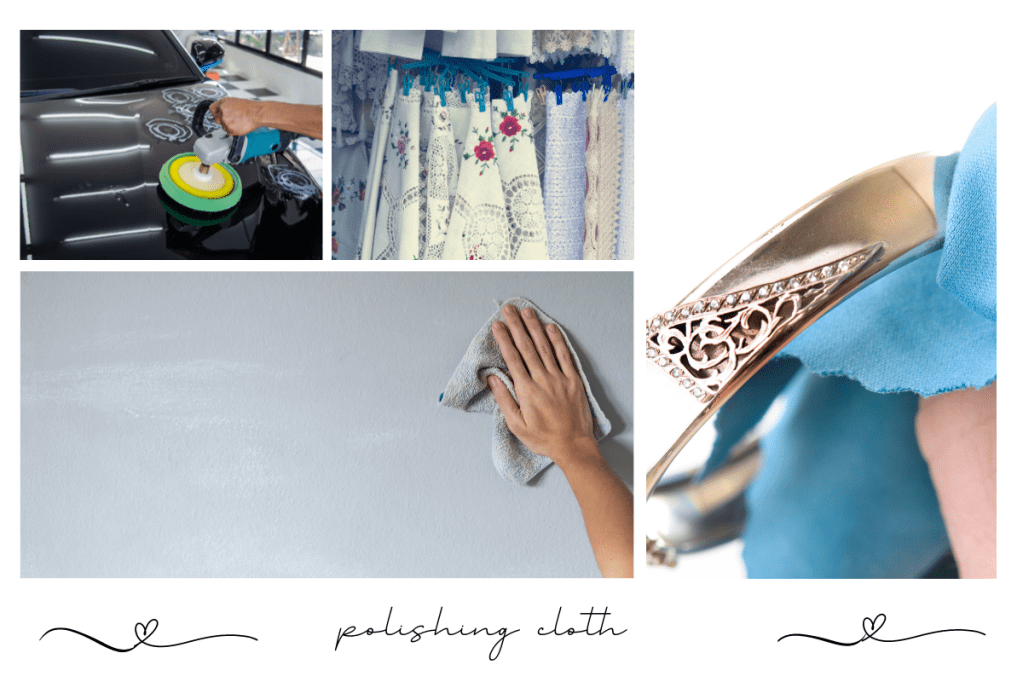
A polishing cloth is a simple yet essential tool for keeping your valuables looking their best. Whether it’s your jewelry, silverware, or musical instruments, a polishing cloth can help remove dirt, grime, and tarnish that accumulates over time, restoring their shine and luster.
In this article, we’ll explore the importance of a polishing cloth and how to choose the right one for your needs. We’ll also discuss how to use a polishing cloth effectively to keep your valuables looking their best.
Why Use a Polishing Cloth?
Over time, even the most carefully maintained items can lose their shine and luster. Dirt, oil, and other contaminants can build up on the surface, leading to discoloration and tarnish. A polishing cloth is an effective way to remove these contaminants, restoring your items to their original shine and luster.
Polishing cloths work by using special materials that are designed to gently remove contaminants without damaging the surface of the item. They can be used on a variety of materials, including metals, glass, and plastic.
Choosing the Right Polishing Cloth
When it comes to choosing a polishing cloth, there are several factors to consider. First and foremost, you’ll want to choose a cloth that is made from high-quality materials that won’t scratch or damage your valuables. Microfiber cloths are a popular choice, as they are soft and gentle on surfaces while still being effective at removing contaminants.
You’ll also want to consider the size of the cloth. For smaller items like jewelry, a small, compact polishing cloth is ideal. For larger items like musical instruments or silverware, you’ll want a larger cloth that can cover more surface area.
Finally, you’ll want to choose a cloth that is specifically designed for the type of material you’re cleaning. For example, if you’re cleaning silverware, you’ll want a polishing cloth that is designed specifically for silver. This will ensure that the cloth is effective at removing tarnish and won’t damage the surface of the silver.
Using a Polishing Cloth Effectively
Using a polishing cloth effectively is essential for getting the best results. Here are some tips to keep in mind:
- Removing loose dirt or debris: Before starting to clean, it’s important to remove any loose dirt or debris from the surface of the item. This can be done by gently wiping the item with a soft cloth or brushing it with a soft-bristled brush. Removing loose dirt or debris helps prevent scratching or damaging the surface during the cleaning process.
- Applying cleaning solution: Once you’ve removed any loose dirt or debris, it’s time to apply a small amount of cleaning solution to the polishing cloth. Be sure to choose a solution that is specifically designed for the type of material you’re cleaning. For example, if you’re cleaning silver, you’ll want to use a silver cleaning solution. Apply the solution to the polishing cloth rather than directly to the item to prevent over-applying and potential damage.
- Gently rubbing with circular motions: With the cleaning solution on the polishing cloth, gently rub the surface of the item with circular motions. Be sure to cover all areas of the item, including any hard-to-reach areas. Avoid using excessive force or pressure as this can cause scratches or damage to the surface. Instead, use a gentle and steady hand to achieve the desired level of clean.
- Removing remaining residue: Once you’ve finished cleaning the item, use a dry polishing cloth to remove any remaining cleaning solution or residue. This is an important step as any residue left behind can attract dirt and debris, and even cause damage to the surface. Make sure to use a clean and dry polishing cloth to avoid leaving behind any fibers or lint.
- Storing the polishing cloth: Finally, it’s important to store your polishing cloth in a clean, dry place when not in use. This will help prevent contamination and ensure that the cloth is ready for use the next time you need it. You can store it in a plastic bag or a sealable container to keep it away from dust and other contaminants. Avoid storing your polishing cloth with other items that may scratch or damage it.
Polishing cloths come in different materials, such as microfiber, cotton, and flannel. Microfiber cloths are a popular choice because they are soft, lint-free, and do not leave scratches. Cotton cloths are also a great option, but they tend to leave lint behind. Flannel cloths are ideal for cleaning glass surfaces and delicate items like jewelry.
It’s important to note that not all polishing cloths are created equal. Some polishing cloths contain chemicals that can damage the surface of your valuables. Before purchasing a polishing cloth, make sure to check its label and ensure that it’s safe for the material you intend to clean.
One common mistake people make when using a polishing cloth is to apply too much pressure. This can cause scratches and damage the surface of the item. It’s essential to use a light touch when cleaning with a polishing cloth. Allow the cloth to do the work for you, using gentle circular motions to remove dirt and grime.
Polishing cloths can also be used to prevent tarnish from forming on your silverware, jewelry, and other metal items. By using a polishing cloth regularly, you can remove any contaminants before they have a chance to cause tarnish.
It’s important to note that polishing cloths should be used as a part of a regular cleaning routine. While they are effective at removing dirt and grime, they may not be able to remove deep stains or scratches. If your valuables have deep stains or scratches, it’s best to take them to a professional cleaner for restoration.
In addition to using a polishing cloth, there are other steps you can take to keep your valuables looking their best. For example, storing items in a dry, clean place can prevent contamination and reduce the risk of tarnish. You can also use a tarnish-resistant cloth or storage container to keep your silverware and jewelry shiny and new.
When it comes to purchasing a polishing cloth, it’s important to consider the size and type of cloth you need. Some cloths come in small sizes for jewelry, while others are larger for cleaning larger surfaces like mirrors or windows. You can also find polishing cloths that are designed for specific materials, such as silver, gold, or stainless steel.
Another factor to consider is the thickness and density of the cloth. A thicker cloth may provide more cushioning and protection against scratches, while a thinner cloth may be better for getting into tight spaces and crevices.
One common type of polishing cloth is the chamois cloth, which is made from the hide of the chamois animal. Chamois cloths are known for their ability to absorb water and are often used for drying cars after washing. However, they can also be used as polishing cloths for jewelry and other valuables. Chamois cloths are soft, non-abrasive, and do not leave any lint or fibers behind.
Polishing cloths can also be used to clean and maintain electronic devices such as smartphones, laptops, and tablets. Microfiber cloths are a popular choice for electronic devices as they are soft and gentle on the screens and do not scratch them. They can be used to remove fingerprints, dust, and smudges from the screens.
In addition to using a polishing cloth for cleaning and maintenance, it’s important to store your valuables properly to prevent scratches and damage. For example, storing jewelry in a jewelry box with compartments can prevent items from rubbing against each other and causing scratches. Storing items in a dry, cool place can also prevent tarnish and damage from moisture.
Polishing cloths can also be used for DIY cleaning and polishing projects around the house. For example, they can be used to clean and polish stainless steel appliances, silverware, and other metal items. They can also be used to clean and polish wooden furniture, leather goods, and even shoes.
In conclusion, a polishing cloth is a small but mighty tool that can make a big difference in the cleanliness and maintenance of your valuables. Whether you’re looking to clean and shine your jewelry, electronics, or household items, a polishing cloth can help restore their luster and shine while providing protection against scratches and damage.
When shopping for a polishing cloth, consider the size, type, and material of the cloth to ensure it’s appropriate for your needs. Microfiber cloths are great for electronic devices, while chamois cloths are excellent for larger surfaces like cars or mirrors. It’s also important to consider the thickness and density of the cloth, as a thicker cloth may provide more cushioning and protection.
In addition to using a polishing cloth for cleaning and maintenance, it’s essential to store your valuables properly to prevent scratches and damage. Using a jewelry box with compartments can prevent items from rubbing against each other, while storing items in a dry, cool place can prevent tarnish and damage from moisture.
A polishing cloth can also be used for DIY cleaning and polishing projects around the house, making it a versatile and valuable tool to have on hand. Whether you’re cleaning stainless steel appliances or polishing wooden furniture, a polishing cloth can help restore shine and luster while protecting against scratches and damage.
Overall, a polishing cloth is a small investment that can yield significant returns in the longevity and appearance of your valuables. With proper care and maintenance, your items can remain beautiful and valuable for years to come. So, consider adding a polishing cloth to your cleaning toolkit and see the difference it can make in your cleaning routine.
 Hey Singapore