
Introduction
Scales have been an essential tool for measuring weight and mass for centuries. However, traditional scales have limitations, such as inaccuracies and the need for manual calculations. The advent of digital scales has revolutionized the way we measure weight, making it more accurate, efficient, and convenient. Today, digital scales come in a wide range of types and designs, from basic models that are used in homes and kitchens to advanced models used in industries and laboratories. In this article, we will explore the evolution of digital scales and how they have improved over time.
Basic Digital Scales
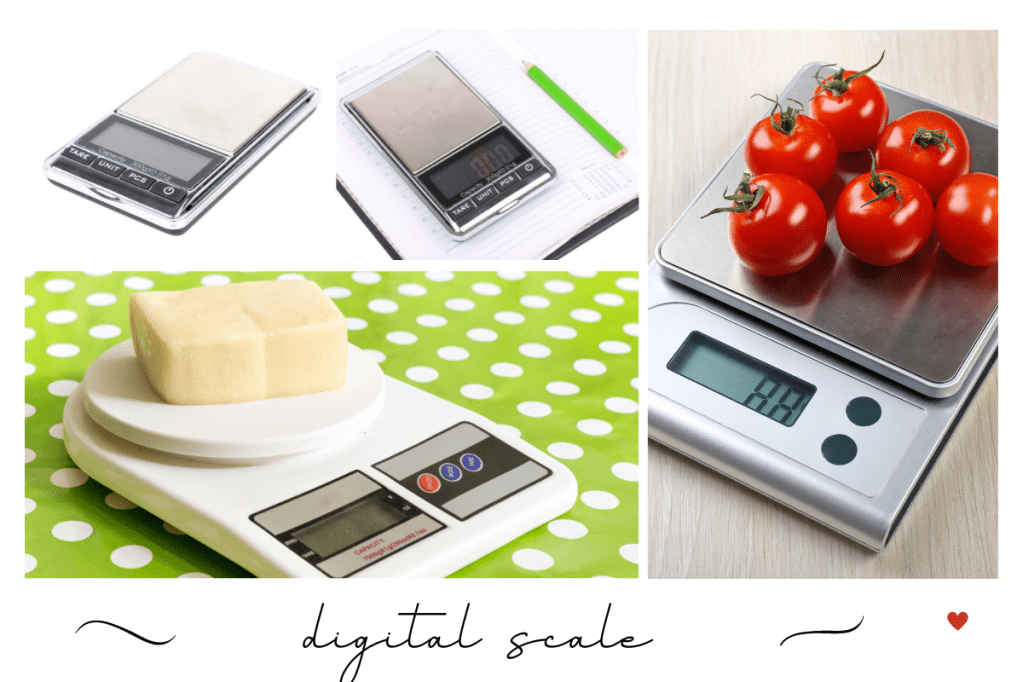
Basic digital scales are designed for home and personal use. They are affordable and straightforward to use, making them an ideal choice for anyone who needs to weigh food, jewelry, or other small items. Basic digital scales are available in different sizes and styles, including pocket-sized scales and kitchen scales.
Pocket-Sized Scales
Pocket-sized scales are small and portable, making them an excellent choice for anyone who needs to weigh items on the go. They are commonly used by jewelers, post offices, and pharmacies. Pocket-sized scales are battery-operated, and they can measure weight accurately up to a few grams.
Kitchen Scales
Kitchen scales are designed for use in the kitchen and are ideal for measuring ingredients for recipes. They come in different sizes and capacities, and some models can measure weight up to 10 kg or more. Kitchen scales are battery-operated, and some models come with a detachable bowl for easy cleaning.
Advanced Digital Scales
Advanced digital scales are designed for use in industries and laboratories where accuracy and precision are critical. They come in different types and designs, depending on their application.
Analytical Balances
Analytical balances are used in laboratories for weighing small samples with high precision. They can measure weight up to 0.1 mg and are sensitive to environmental factors such as temperature and air currents. Analytical balances use electromagnetic force compensation to measure weight, making them more accurate than traditional scales.
Precision Balances
Precision balances are used in industries such as pharmaceuticals, food processing, and manufacturing, where precise measurements are critical. They can measure weight up to 0.01 g and are designed to withstand harsh environments such as factories and warehouses. Precision balances use strain gauge technology to measure weight accurately.
Platform Scales
Platform scales are used in industries such as shipping, logistics, and warehousing, where large and heavy items need to be weighed accurately. They come in different sizes and capacities, and some models can weigh up to several tons. Platform scales use load cell technology to measure weight, making them more accurate than traditional scales.
Weighbridges
Weighbridges are large platform scales used to weigh vehicles such as trucks and trailers. They are commonly used in industries such as transportation and logistics, where the weight of the vehicle and its cargo needs to be measured accurately. Weighbridges can weigh up to 100 tons or more and use load cell technology to measure weight.
Smart Digital Scales
Smart digital scales are a new generation of scales that are connected to the internet and can be controlled using a smartphone or tablet. They come with features such as Bluetooth connectivity, data tracking, and real-time monitoring, making them ideal for fitness enthusiasts and health professionals.
Smart Body Scales
Smart body scales are designed for tracking body weight, body fat, muscle mass, and other health metrics. They come with a mobile app that allows users to track their progress over time and set goals for themselves. Smart body scales use bioelectrical impedance analysis to measure body fat and muscle mass accurately.
Smart Kitchen Scales
Smart kitchen scales are designed for use in the kitchen and come with features such as recipe suggestions, nutrition information, and ingredient tracking. They can be connected to a smartphone or tablet, allowing users to access recipe databases and nutritional information. Smart kitchen scales can also be used to weigh ingredients for meal prep and portion control.
Benefits of Digital Scales
Digital scales offer several advantages over traditional scales, including:
Accuracy: Digital scales are more accurate than traditional scales and can measure weight to the nearest fraction of a gram.
Convenience: Digital scales are easy to use and require no manual calculations, making them ideal for home and personal use.
Precision: Advanced digital scales are designed to measure weight with high precision, making them ideal for industries and laboratories.
Efficiency: Digital scales can save time and effort by automatically calculating weight and providing accurate measurements.
Portability: Pocket-sized digital scales are small and portable, making them ideal for on-the-go weighing.
Connectivity: Smart digital scales can be connected to the internet and mobile devices, allowing users to access data and track progress over time.
Digital scales are a testament to the fact that technology is constantly evolving and making our lives easier. They have become an indispensable tool in various industries and households, and their popularity continues to grow. Whether it’s for measuring ingredients in the kitchen or weighing heavy machinery in an industrial setting, digital scales have made the process more efficient and accurate.
One of the most significant advantages of digital scales is their ability to measure weight with high precision. Traditional scales, such as balance scales, can be inaccurate due to the need for manual calculations and the potential for human error. In contrast, digital scales can measure weight to the nearest fraction of a gram, making them ideal for industries such as pharmaceuticals and jewelry, where accuracy is critical.
Another advantage of digital scales is their efficiency. They can save time and effort by automatically calculating weight and providing accurate measurements. In industries such as manufacturing, this can lead to increased productivity and reduced waste. Digital scales can also be used in logistics and shipping to ensure that packages are weighed accurately, reducing the risk of overcharging customers or underestimating shipping costs.
Digital scales are also convenient and easy to use. They require no manual calculations, making them ideal for home and personal use. In the kitchen, digital scales can help home cooks measure ingredients more accurately, leading to better-tasting dishes. They can also be used for portion control, making it easier to track calorie intake and achieve weight loss goals.
Smart digital scales take convenience to another level by providing connectivity. They can be connected to the internet and mobile devices, allowing users to access data and track progress over time. This is particularly useful for fitness enthusiasts who want to track their weight loss or muscle gain progress. Smart digital scales can also be used in conjunction with fitness apps and wearable devices to provide a comprehensive view of health and fitness.
In addition to their functional advantages, digital scales are also aesthetically pleasing. They come in a variety of designs and colors, making them a stylish addition to any kitchen or workspace. Some digital scales also feature backlit displays, making them easy to read in low light conditions.
While digital scales have numerous advantages, there are some limitations to be aware of. They require a power source, either through batteries or an electrical outlet, which can be inconvenient if the battery dies or there is no power source nearby. Digital scales can also be affected by environmental factors such as temperature and humidity, which can affect accuracy. It is important to calibrate digital scales regularly to ensure accuracy.
When purchasing a digital scale, it is important to consider its intended use, capacity, and features. For example, if you need to weigh small items such as jewelry, a pocket-sized digital scale with high precision would be ideal. On the other hand, if you need to weigh large items such as vehicles, an industrial-grade digital scale with a high weight capacity would be necessary.
In conclusion, digital scales are a valuable tool that has revolutionized the way we measure weight. They offer high accuracy, precision, efficiency, and connectivity, making them ideal for various industries and households. While they have some limitations, digital scales have become an indispensable tool that has made our lives easier and more convenient. As technology continues to advance, we can expect digital scales to become even more advanced, offering even more features and capabilities in the future.
Conclusion
Digital scales have come a long way since their inception, from basic models used in homes and kitchens to advanced models used in industries and laboratories. Today, digital scales offer a wide range of features, including high accuracy, precision, efficiency, and connectivity. Whether you need to weigh food, jewelry, or large items such as vehicles, there is a digital scale that can meet your needs. With the continuous evolution of technology, it is safe to say that digital scales will only become more advanced, offering even more features and capabilities in the future.
However, it is important to note that digital scales, like any other electronic device, have their limitations. They require batteries or a power source to operate, and they can be affected by environmental factors such as temperature and humidity. It is also important to calibrate digital scales regularly to ensure accuracy.
When purchasing a digital scale, it is important to consider its intended use, capacity, and features. Basic digital scales are suitable for home and personal use, while advanced digital scales are ideal for industries and laboratories. Additionally, it is important to choose a reputable brand and read reviews before making a purchase to ensure quality and reliability.
In conclusion, digital scales have come a long way since their inception, offering improved accuracy, precision, efficiency, and connectivity. They have revolutionized the way we measure weight, making it more convenient and accurate. Whether you are a home cook, fitness enthusiast, or industry professional, there is a digital scale that can meet your needs. As technology continues to advance, we can expect digital scales to become even more advanced, offering even more features and capabilities in the future.
 Hey Singapore