
As we go about our daily routines, it is easy to overlook the importance of the humble dish drainer. This simple kitchen tool is often seen as a utilitarian necessity, rather than an item of beauty and sophistication. However, with a little thought and consideration, the dish drainer can become a statement piece in any kitchen, elevating the mundane task of washing up to an art form.
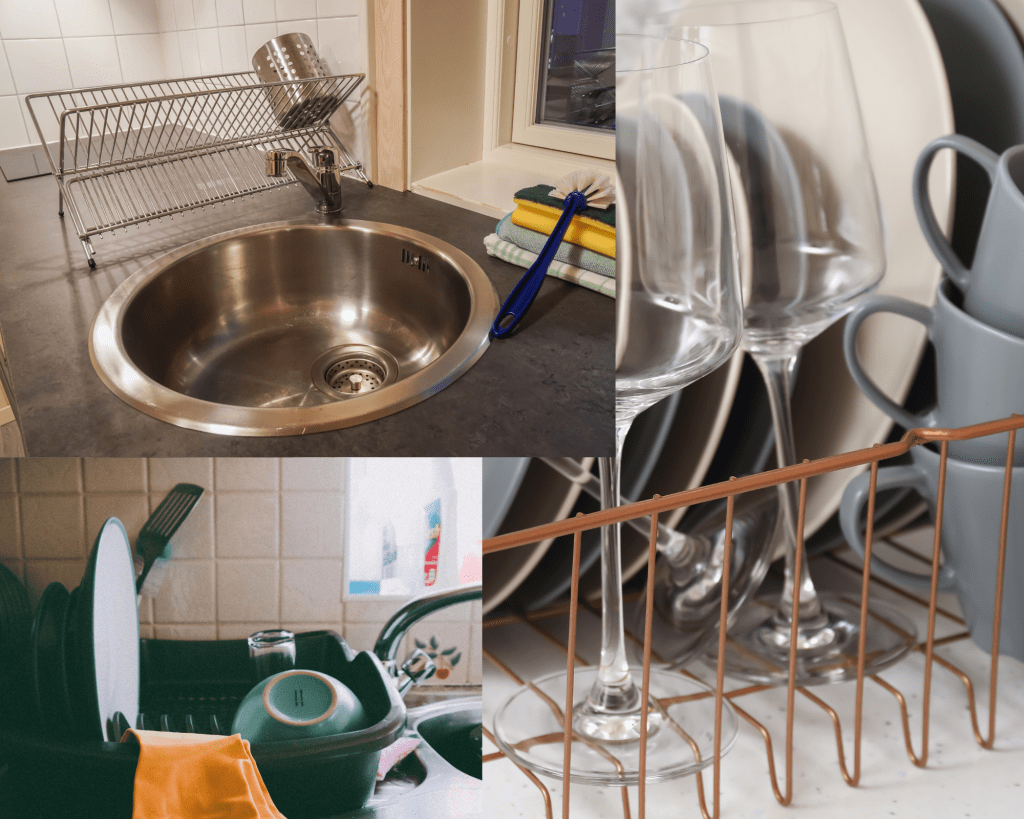
The Importance of Functionality
At its core, the dish drainer is a functional tool that must be efficient and practical. It should be large enough to hold all your dishes, but not so large that it takes up too much space on your countertop. It should be made of sturdy materials that can withstand the weight of wet dishes without collapsing, and should be easy to clean and maintain.
When choosing a dish drainer, consider the layout of your kitchen and the size of your sink. A drainer that fits snugly in your sink can save valuable counter space, while a free-standing drainer can add a decorative element to your kitchen.
The Aesthetics of the Dish Drainer
While functionality is key, the aesthetics of the dish drainer should not be overlooked. A well-designed dish drainer can be a beautiful addition to your kitchen, enhancing the overall ambiance and style of the space.
Consider the materials used in the construction of your dish drainer. Stainless steel and chrome are classic choices, with their sleek and modern aesthetic. However, if you prefer a more rustic or organic feel, consider a wooden or bamboo drainer.
Color is another important consideration. A pop of bright color can add a playful touch to a neutral kitchen, while a monochromatic drainer can provide a calming and sophisticated vibe.
The Organization of the Dish Drainer
The organization of your dish drainer is crucial to its functionality and aesthetic appeal. A well-organized drainer can turn a pile of dirty dishes into an artful display.
Separate your dishes by type, placing plates and bowls in one section, and cups and glasses in another. Use the cutlery holder to keep your silverware sorted and tidy.
Consider the placement of your drainer, as well. If your drainer is in plain view, make sure it is organized and attractive. If it is hidden away in a cabinet, focus on functionality rather than aesthetics.
The Care and Maintenance of the Dish Drainer
Like any kitchen tool, the dish drainer requires proper care and maintenance to ensure its longevity and effectiveness. Here are some tips for keeping your dish drainer in top condition:
- Clean your dish drainer regularly, using warm soapy water and a soft brush or cloth.
- Avoid using harsh chemicals or abrasive scrubbers, as they can damage the finish of your drainer.
- If you notice any signs of rust or discoloration, use a rust remover to restore the finish.
- Always dry your drainer thoroughly after use to prevent mold and mildew from forming.
The Environmental Impact of Dish Drainers
As we become more conscious of our impact on the environment, it is important to consider the environmental impact of the tools we use in our daily lives. The dish drainer is no exception.
Choosing a high-quality, durable dish drainer can help reduce waste by preventing the need for frequent replacements. Additionally, choosing a drainer made from eco-friendly materials such as bamboo or recycled plastic can help reduce the environmental impact of your dish washing routine.
Another way to reduce waste is to opt for a drainer that can be easily disassembled and recycled at the end of its life. Consider the end-of-life options for your dish drainer when making your purchase, and choose one that aligns with your environmental values.
The Cultural Significance of Dish Drainers
The dish drainer is a tool that transcends cultural boundaries, but it also holds unique significance in different cultures around the world.
In Japan, for example, the dish drainer is an integral part of the Japanese tea ceremony, representing the harmony and balance that is sought in all aspects of life.
In many European countries, the dish drainer is a staple in every household, with a wide variety of designs and styles to suit any kitchen aesthetic.
By learning about the cultural significance of the dish drainer, we can gain a deeper appreciation for this simple yet important tool, and perhaps even incorporate elements of these cultural traditions into our own dish washing routines.
The Future of Dish Drainers
As technology advances and our lifestyles change, it is interesting to consider the future of the dish drainer. Will it continue to be a staple in every kitchen, or will it be replaced by more high-tech solutions?
One possibility is the integration of smart technology into dish drainers, with sensors that can detect when dishes are dry and adjust the airflow accordingly. Another possibility is the use of 3D printing technology to create custom dish drainers that are tailored to the specific needs and aesthetic preferences of each individual.
Only time will tell what the future holds for the dish drainer, but one thing is for certain: no matter how technology advances, the simple act of washing and drying dishes will always be an essential part of our daily lives. And with a little thought and consideration, the dish drainer can continue to be a tool that brings beauty and sophistication to this mundane task.
Alternative Uses for Dish Drainers
While the dish drainer is primarily used for its intended purpose of drying dishes, there are many alternative uses for this versatile tool.
One creative use for a dish drainer is as a mail organizer. Use the slots to sort your mail, with separate sections for bills, personal correspondence, and junk mail.
Another option is to use the dish drainer as a plant holder. Simply line the slots with a waterproof liner and fill with soil and plants.
The dish drainer can also be used as a makeup organizer, with separate slots for brushes, palettes, and other beauty tools.
Get creative with your dish drainer and explore the many alternative uses for this handy tool.
The Psychology of Dish Draining
Believe it or not, the way you organize your dish drainer can reveal a lot about your personality and thought processes.
Those who prefer a minimalist and organized drainer may have a type-A personality, while those who prefer a more eclectic and haphazard arrangement may be more creative and free-spirited.
Additionally, the way you organize your dishes can reveal your values and priorities. Those who prioritize environmental sustainability may choose to air dry their dishes rather than using a dishwasher, while those who value efficiency may organize their drainer to optimize space and drying time.
By considering the psychology behind your dish draining habits, you can gain insight into your own personality and thought processes.
The Art of Dish Draining as a Mindful Practice
Finally, the art of dish draining can be seen as a mindfulness practice, allowing us to be fully present in the moment and appreciate the simple beauty of everyday tasks.
As you wash and dry your dishes, take a moment to focus on the sensory experience of the task. Feel the warmth of the water on your skin, smell the scent of the soap, and listen to the sound of the water running.
Organize your dish drainer with care and attention, taking pride in the beauty and functionality of the arrangement.
By approaching dish draining as a mindful practice, you can turn a mundane task into a meditative and satisfying experience.
The Role of Dish Drainers in Social Interaction
Dish drainers can also play a role in social interaction and hospitality. In some cultures, offering to wash and dry the dishes after a meal is seen as a sign of respect and gratitude.
The way you organize your dish drainer can also impact the social dynamic of a shared living space. A cluttered and disorganized drainer can cause tension and frustration, while a well-organized and efficient drainer can promote harmony and ease.
In addition, a beautiful and thoughtfully arranged dish drainer can be a conversation starter and a point of pride when hosting guests.
By paying attention to the social implications of your dish drainer, you can use this simple tool to enhance the social dynamic of your living space and promote hospitality and connection.
The Philosophy of Dish Draining
As with any everyday task, the art of dish draining can be viewed through a philosophical lens. One philosophy that can be applied to dish draining is that of mindfulness and presence.
Another philosophy is that of minimalism and simplicity. By choosing a minimalistic and efficient drainer, you can embrace the philosophy of simplicity and reduce clutter in your living space.
Finally, the philosophy of sustainability can also be applied to dish draining. By choosing eco-friendly materials and reducing waste in the dish washing process, you can embrace a philosophy of environmental responsibility.
By considering the philosophical implications of dish draining, you can use this simple task to reflect on your values and beliefs, and align your actions with your personal philosophy.
Conclusion:
The dish drainer may seem like a small and insignificant tool, but it has the potential to impact many aspects of our daily lives. By considering the functionality, aesthetics, organization, care, and alternative uses of the dish drainer, we can transform this simple tool into an art form, a mindfulness practice, and a reflection of our values and beliefs.
 Hey Singapore