
Master the art of using chopsticks effortlessly with this unique guide. Learn uncommon techniques and impress your friends with your chopstick skills.
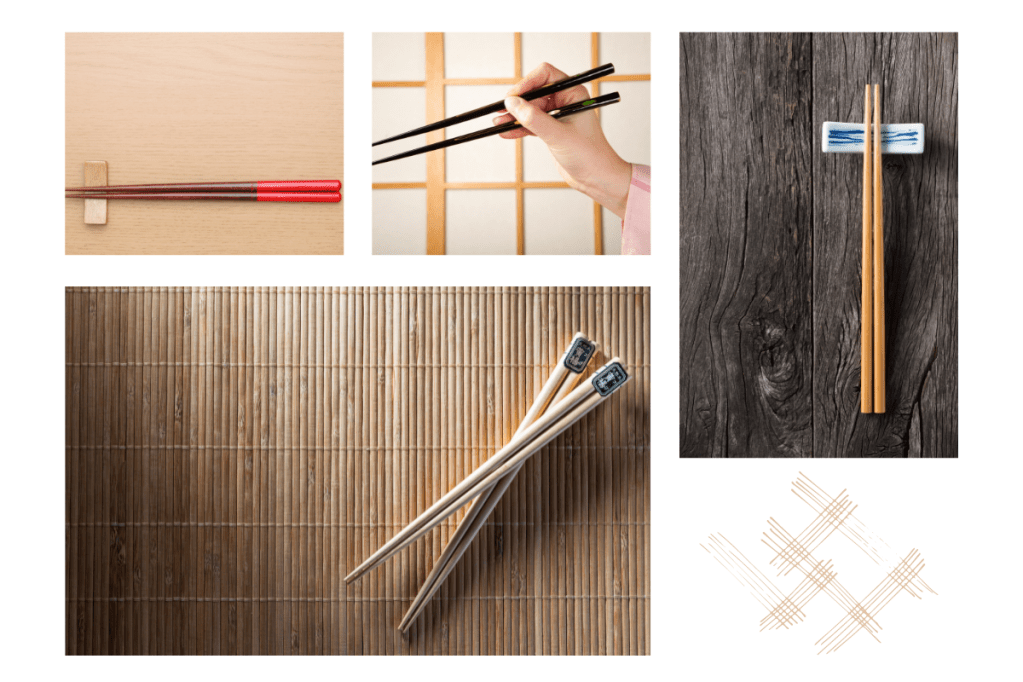
Mastering the Basics: Step-by-Step Guide to Holding Chopsticks
For a complete experience of Eastern culture, mastering the use of chopsticks is a must. But, for the inexperienced, even the most fundamental chopstick gripping technique can be difficult to learn. But have no fear, for this all-inclusive, step-by-step tutorial will provide you with the information and training you need to master the art of using chopsticks.
Make sure the thicker end of the chopsticks is facing up before you start eating. Next, set the lower end of the chopstick on the crook of your thumb and middle finger. Next, your index and middle finger tips should cradle the top chopstick. Using your thumb, lightly press down on the top of the chopstick and slide it up and down, like you’re using tweezers.
Once you have learned the fundamentals, expanding your practice to include a variety of foods can help you become more proficient. You may learn a lot about the various techniques of using chopsticks by watching how experts perform these tasks. Learn the art of using chopsticks and understand the cultural importance of this unusual implement through practice and determination.
Proper Etiquette: Cultural Do’s and Don’ts of Using Chopsticks
The correct way to handle chopsticks is steeped in history and etiquette in East Asian cultures. So, it is crucial to learn the cultural dos and don’ts of using chopsticks so that you don’t accidentally offend anyone.
While using chopsticks, it’s important to prevent “spearing” or piercing the food. The act is deemed impolite since it is similar to a burial rite in which incense sticks are put in rice. Moving food from one person’s chopstick to another is also frowned upon since it calls to mind the ritual of passing the bones from one person to another at a traditional burial.
Nonetheless, using chopsticks is a polite way to show consideration for your host and other visitors. Offering food to others before taking a bite yourself is a symbol of charity and hospitality in Asian cultures. Chopsticks should also be rested on the chopstick rest after each usage; leaving them on the table or in the bowl is considered rude.
By following these guidelines, you may show your respect and enthusiasm for Eastern culture while avoiding any embarrassing blunders caused by your chopsticks. Keep in mind that the chopsticks you use are more than simply a tool; they are also a representation of your culture and history.
Advanced Techniques: Tips and Tricks to Enhance Your Chopstick Skills
Learning the fundamentals of using chopsticks is a commendable feat, but developing advanced chopstick skills is what sets great masters apart. These pointers are meant to help you become a more proficient chopstick user and to expand your horizons in the kitchen.
The “rice ball” technique is an advanced approach whereby one pushes rice into a compact ball, making it simpler to pick up with chopsticks. To accomplish this, roll a little of rice into a ball and gently squeeze it with your hands before taking it up with your chopsticks. The “scissors” approach entails cutting the meal into smaller pieces with the chopsticks. You may achieve this by holding the chopsticks in a “scissors” position, with the tips parallel to each other.
In addition, one must always be adaptable when using chopsticks, shifting one’s grasp and placement according to the object being eaten. While eating noodles or other slippery foods, for instance, you may find it helpful to hold the chopsticks at their points for better control. You may find that using two hands, one for holding the chopsticks and the other for directing the food, is more efficient when dealing with bigger portions.
These advanced methods may take one’s chopstick talents to the next level, allowing them to achieve previously unattainable degrees of dexterity and mastery. With time and effort, you’ll find that using chopsticks is as natural as using a fork or spoon.
Chopstick Maintenance: Keeping Your Chopsticks in Top Condition
Chopsticks, like any other tool, need regular care to function properly and last a long time. Whether they’re made of wood, bamboo, or plastic, chopsticks require frequent maintenance to keep them in good condition and free of germs.
Clean chopsticks are a sign of well-maintained chopsticks. After each usage, clean the chopsticks by hand or in the dishwasher. Avoid submerging wooden chopsticks in water for long periods of time to prevent warping and splitting. Instead, use a moist towel to wash off the chopsticks and then let them air dry.
Storing chopsticks properly is also crucial. Chopsticks need to be kept in a dry, cool place, out of the heat and sunshine. Chopsticks made of wood or bamboo are less likely to distort or shatter if stored in this manner. Chopsticks should also be kept in a dry, clean place, apart from the rest of the kitchenware and any perishables.
With just a little bit of care, your chopsticks will last for years and provide you with a comfortable grip, precise movements, and a clean eating experience. The appropriate care of chopsticks assures that they will continue to be a vital part of each meal and a symbol of culture and tradition far into the future.
Overcoming Common Challenges: Dealing with Slippery or Heavy Foods
Even if you’re an expert with chopsticks, there are some meals that might be difficult to eat with them. It might be challenging to use chopsticks to pick up meals that are slippery or heavy, like as noodles, tofu, or thick slices of meat. These obstacles, however, are readily surmounted with the proper strategy and methods.
The “twist and lift” strategy is helpful for handling foods that are very slippery. First, you must twist the chopsticks so that they may grab the food, and then you must raise it. The “pinch and pull” approach is another option; this entails pinching the food with the points of the chopsticks and then pulling it toward you. If the meal you’re trying to eat is very heavy or awkwardly shaped, you might find it easier to use two hands: one to hold the chopsticks, and the other to support the food.
Using the appropriate pair of chopsticks for the job at hand is also crucial. Chopsticks made of metal may offer a stronger grip for handling slippery meals, whereas chopsticks made of wood are great for picking up heavy objects due to their durability. Chopsticks with a rough surface or silicone tips are another option for those times when you need a little additional purchase on a finicky dish.
Chopsticks may be used in a wide variety of situations, but using these methods and picking the right pair will help you overcome typical obstacles and make the most of them.
Hand and Finger Exercises: Preparing Your Hands for Chopstick Mastery
Skill isn’t enough to use chopsticks successfully; you also need strong hands and fingers. Exercises for the hands and fingers that focus on increasing range of motion, grip strength, and coordination are excellent ways to be ready for mastering chopsticks.
Effective finger exercises include tapping the thumb with each finger in succession, beginning with the index finger and finishing with the pinky. By strengthening the fingers and improving their coordination, this exercise makes it simpler to use chopsticks. To perform finger curls, squeeze a soft ball or putty in the palm of your hand and then release to work the flexor muscles. By working the finger and hand muscles, this routine enhances grip strength, which is particularly useful when using chopsticks.
Flexibility in the hands and fingers requires more than just a healthy diet and plenty of handwashing. Just separating the fingers as far as they can go and then bringing them back together is a good finger workout. As you put your palm on a wall and slide it down, be sure to maintain your fingers flat against the surface. Flexibility in the hand and wrist is enhanced by this practice, making chopstick use easier.
By making these finger and hand workouts part of one’s normal practice, one may improve their dexterity and coordination, and better prepare their hands for mastering chopsticks.
Practical Applications: Using Chopsticks for Different Types of Foods
A broad variety of dishes may be eaten with chopsticks because of their adaptability. Chopsticks are an integral part of the Japanese dining experience, enhancing the pleasure of eating sushi, noodles, and stir-fry meals while also introducing diners to a new cultural perspective. Yet, there are specific chopstick maneuvers that should be used for specific dishes. Read on for more suggestions on how to put your chopstick skills to use with a variety of dishes.
The delicate components in sushi and other bite-sized delicacies need to be handled with care while using chopsticks. You should only use the very tips of your chopsticks to pick up individual pieces and bring them to your lips. If you’re trying to pick up a huge sushi roll with chopsticks, you might find it easier to employ a “sawing” motion to cut the roll into smaller pieces first.
The “twist and raise” method is essential for firmly grasping noodles and other long, thin meals like spaghetti or udon. To do so, twist the chopsticks around the meal and raise it up to prevent it from falling. Some people find it easier to use a spoon to collect the noodles and broth in a bowl before picking them up with chopsticks while eating ramen or other soup-based noodle meals.
Always use a firm chopstick grip when eating a saucy food, such a stir-fry, to prevent sauce from dripping into your lap. One hand can grasp the chopsticks while the other holds the bowl or plate. If you use this technique, you’ll have more control and steadiness while taking up food with chopsticks.
Different methods and strategies are required for eating various dishes with chopsticks. To truly understand the chopstick’s cultural importance and the variety of uses it provides, one must use the correct method for each food item. Keep in mind that chopsticks are more than simply a tool for eating; they are also a sign of respect and tradition, and showing that respect by using them correctly demands skill and awareness.
 Hey Singapore