
In the gastronomic realm, the art of pairing flavors and textures is of paramount importance. The quest for the perfect culinary combination has led us to explore the intricacies of food pairings. The advantages of mastering this culinary art are numerous and multifaceted. Thus, this paper aims to elucidate the significance of food pairings, with a particular focus on the perfect cracker accompaniment for cheese.
II. Understanding the Basics of Food Pairings
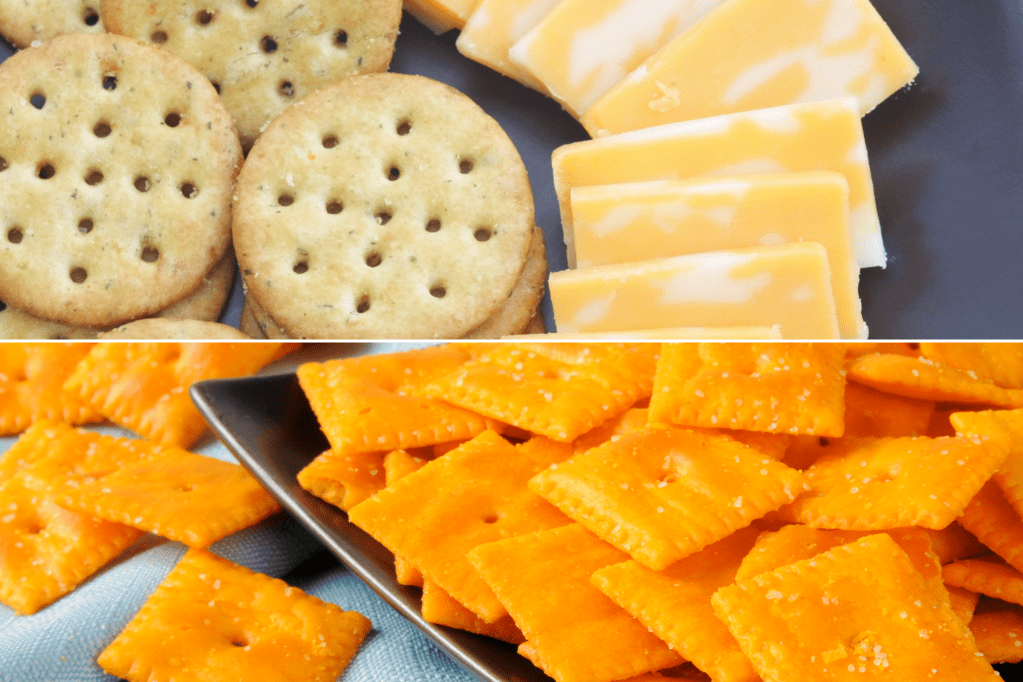
At the heart of food pairing is the marriage of different ingredients to create a harmonious flavor profile. Complementary and contrasting flavors are the two essential elements of this union. Complementary flavors share similar traits, whereas contrasting flavors provide a counterpoint to the primary ingredient. For instance, the union of a tangy cheese and salty crackers creates a yin-yang equilibrium, which titillates the taste buds.
The culinary world boasts countless classic pairings such as crackers and cheese, peanut butter and jelly, and chocolate and strawberries. By mastering the basics of food pairings, one can create new, extraordinary, and delightful flavor combinations.
III. The Role of Wine in Food Pairings
The relationship between wine and food is a celebrated culinary tradition. Pairing wine with food requires a meticulous approach to bring out the best of both worlds. The primary consideration is the congruence between the flavors and properties of the wine and the dish. For instance, a full-bodied red wine can enrich the taste of a rich and robust cheddar, while a crisp white wine can complement a delicate cheese like brie.
When selecting wine for pairing, the intensity of the dish’s flavors must be taken into account. A piquant and zesty dish may require a wine with a strong flavor profile, while a lighter dish may require a more subdued wine. Tasting and experimenting with various wine and food pairings is a delightful and engaging way to discover new flavor dimensions.
IV. Pairing Seafood with Other Foods
Pairing seafood with other ingredients can be a challenging task, as seafood has delicate and subtle flavors. Pairing seafood requires careful consideration of the fish’s flavor, texture, and the characteristics of the accompanying ingredients. The harmonization of spicy ingredients with seafood requires cautiousness as the intense flavors can mask the fish’s delicate taste.
Pairing wine with seafood demands an understanding of the fish type and preparation method. Lighter fish like cod and sole pair well with a crisp white wine like Sauvignon Blanc, while heavier fish like salmon and tuna can be paired with full-bodied white wines or light reds like Pinot Noir.
V. Pairing Vegetables with Other Foods
The versatility of vegetables makes them an excellent ingredient for pairing with various foods. Combining vegetables with other ingredients requires an appreciation of the flavors, textures, and properties of each component. For example, roasted vegetables paired with a creamy dip create a delightful textural contrast.
When selecting wine for vegetable pairing, the dish’s flavor profile must be taken into account. Lighter vegetable dishes like salads and soups pair well with crisp white wines like Chardonnay, while heartier dishes like roasted vegetables can be paired with red wines like Cabernet Sauvignon.
VI. Pairing Spicy Foods with Other Flavors
When it comes to enlivening the palatal experience of spicy cuisine, it behooves one to consider the interplay of heat and flavor profiles. In terms of pairing spicy foods with cheese, artisanal water crackers, toasted sesame seed crackers, or classic saltine crackers offer a harmonious complement. These understated crackers serve to deftly balance the dish’s fiery intensity and allow the cheese’s nuances to flourish.
Regarding wine pairings, the selection of a dry Riesling or a sparkling Champagne provides a captivating contrast to spicy dishes. Heavy, tannic red wines, on the other hand, may amplify the dish’s piquancy, so it’s best to steer clear of them.
One common mistake to avoid when pairing spicy foods with other flavors is to select overpowering components. For instance, pairing a fiery Thai curry with a heavily spiced Indian chutney can overwhelm the palate. Instead, opt for subtler flavor profiles that will complement the heat rather than combat it.
VII. Pairing Cheese with Other Foods
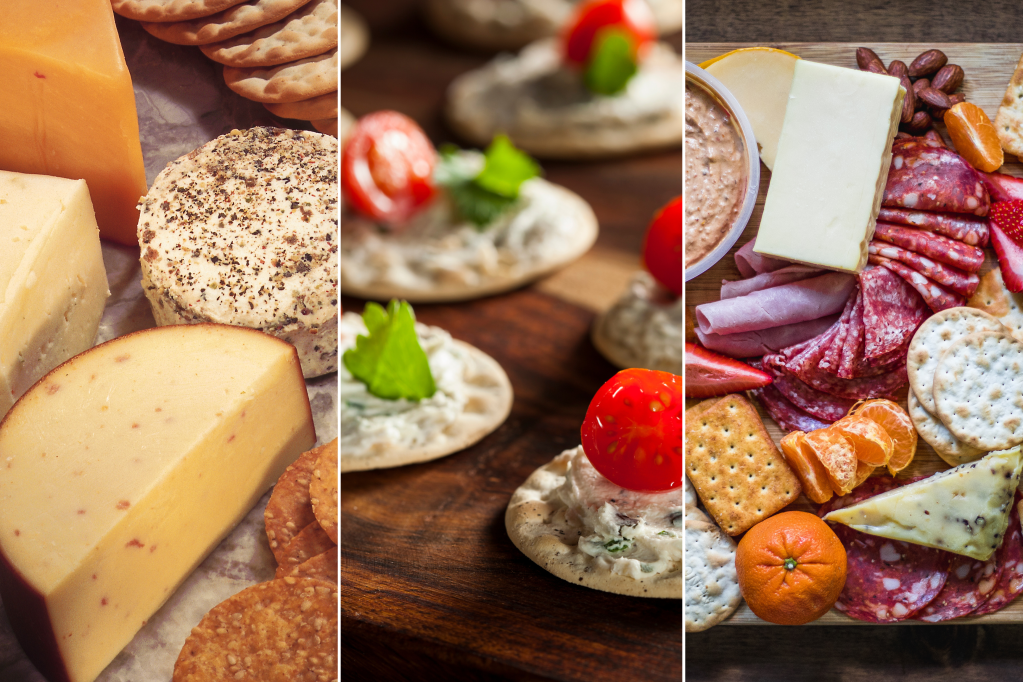
Pairing cheese with other ingredients offers a gastronomic adventure ripe with creative possibilities. Gourmet crackers, such as buttery, whole wheat, or herb-infused varieties, amplify the cheese’s texture and flavor profile.
Wine pairing is also an art form, and the selection of the appropriate wine depends on the type of cheese. An opulent Cabernet Sauvignon with a sharp cheddar or a crisp Sauvignon Blanc with a mild goat cheese constitute some classic pairings.
When choosing the cheese for a dish, it’s crucial to consider the intensity of its flavor and texture. For instance, a hard, aged cheese such as Parmesan is perfect for pasta dishes, while a luscious, creamy cheese like brie is a delightful addition to a salad.
VIII. Pairing Desserts with Other Foods
Pairing desserts with other ingredients is a daunting endeavor as desserts have diverse flavor and texture profiles. Sweet crackers, such as graham crackers, shortbread cookies, or vanilla wafers, complement the flavors in the dessert without overwhelming them.
When it comes to wine pairings, a sweet wine like late-harvest Riesling or port offers an exquisite accompaniment to rich desserts like chocolate cake or cheesecake. For lighter desserts such as fruit tarts, a refreshing sparkling wine like Prosecco is an impeccable pairing.
A common mistake to avoid when pairing desserts with other foods is selecting ingredients that are excessively sweet or rich. For example, pairing a chocolate dessert with an overly saccharine dessert wine can be cloying. Instead, select a wine with sufficient sweetness that complements the dessert without overpowering it.
IX. Pairing Meat with Other Foods
Pairing meat with other ingredients can elevate the flavor and complexity of a dish. Rustic, wheat, or rosemary crackers can add a delightful crunch and counterbalance the meat’s richness.
As for wine pairings, a full-bodied Syrah or Cabernet Sauvignon complements hearty meat dishes such as steak or lamb. For lighter meats such as chicken or pork, a lighter red wine such as Pinot Noir is preferable.
When pairing meat with other flavors, it’s important to avoid selecting overpowering ingredients. Pairing a spicy sausage with a heavily spiced tomato sauce, for instance, can be overwhelming. Instead, choose more subtle flavors that will harmoniously blend with the meat.
X. Pairing Fruits with Other Foods
The art of pairing fruits with other ingredients is a delicate yet rewarding endeavor. By skillfully combining flavors, one can create a unique and unforgettable taste experience. When selecting fruits to pair with other foods, it’s important to consider their acidity and sweetness. Some of the best crackers to go with cheese when pairing fruits include almond crackers and fig crackers.
To elevate the experience further, it’s essential to select the right wine to complement the fruit pairing. For instance, a sweet Riesling pairs excellently with a cheese and fruit platter. A sparkling wine, such as Prosecco, also pairs well with fruit-based desserts. The trick is to experiment and find the perfect pairing that suits your taste buds.
XI. Pairing Herbs and Spices with Other Flavors
Herbs and spices are the key to elevating any dish to new heights. When it comes to pairing herbs and spices with other ingredients, one must consider their intensity and flavor profile. For example, basil complements tomatoes, while rosemary pairs well with lamb. For the best crackers to go with cheese and herbs, consider water crackers or rosemary crackers.
Selecting the right wine to accompany herb and spice-infused dishes can be challenging. However, a Chardonnay or a Merlot can often complement these flavors well. It’s essential to experiment with different wines and seasonings to find the perfect pairing that works for you.
XII. Pairing Ethnic Foods with Other Flavors
The world is full of diverse and exciting ethnic cuisines, each with its unique flavors and ingredients. Pairing these dishes with other flavors can create a culinary adventure for your taste buds. Some of the best crackers to go with cheese when pairing ethnic foods include rice crackers and sesame crackers.
When it comes to wine pairing, it’s essential to consider the flavor profile of the dish. For example, spicy Thai food pairs well with a crisp Riesling or Gewürztraminer, while a Malbec complements a hearty Argentinean steak. It’s important to be adventurous and experiment with different wine and ethnic food combinations.
XIII. Pairing Different Textures and Mouthfeel
Pairing different textures and mouthfeel can create a unique taste experience. Combining crispy, crunchy, and chewy textures with soft, creamy, and silky ones can create a sensory journey for your taste buds. For the best crackers to go with cheese when pairing different textures, consider whole-grain crackers or sesame crackers.
When selecting wine to accompany a dish with different textures and mouthfeel, it’s crucial to find a wine that can balance and enhance the overall taste. For example, a buttery Chardonnay complements creamy and smooth dishes, while a Zinfandel complements dishes with a spicy kick.
XIV. Tips for Creating Your Own Pairings
Creating your own food pairings is a thrilling experience. When experimenting with different flavors, it’s essential to consider the intensity and acidity of each ingredient. One of the best crackers to go with cheese when creating your own pairings is a neutral cracker, such as a water cracker or a plain cracker.
To find the perfect wine pairing for your creation, consider the flavor profile of the dish. It’s essential to experiment with different wine varietals to find the perfect match. Remember, there are no rules when it comes to creating your own pairings, so let your creativity run wild.
XV. Conclusion
In conclusion, food pairings play a significant role in enhancing the dining experience. Pairing foods with complementary and contrasting flavors can create a unique taste adventure for your taste buds. By experimenting with different wine and food combinations, one can unlock a world of flavors and sensations. So, the next time you’re enjoying
 Hey Singapore