
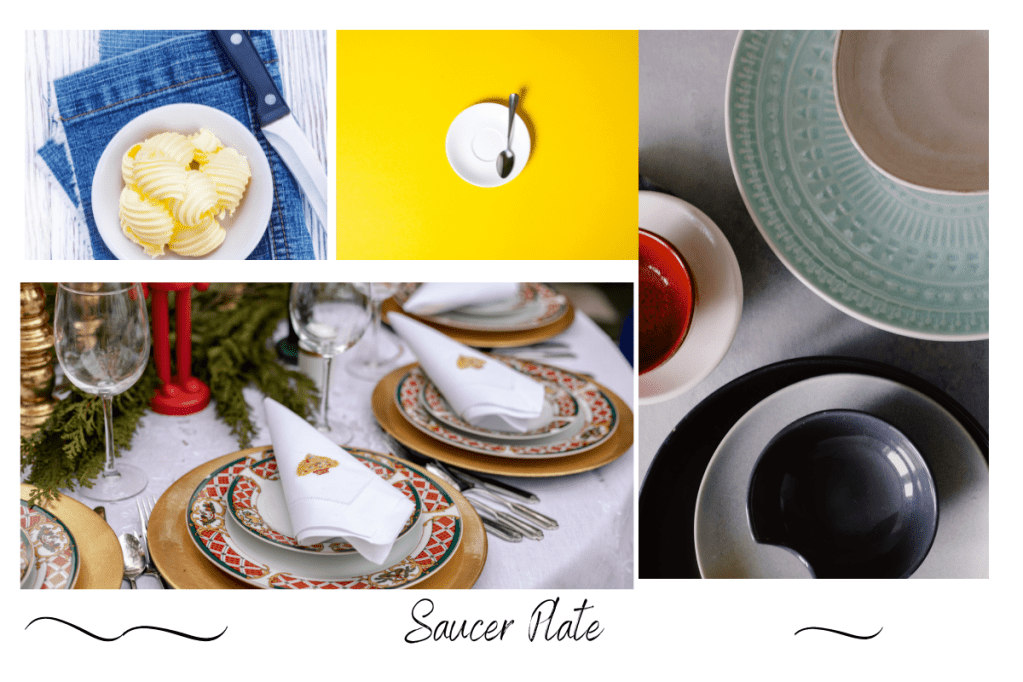
Saucer plates, the diminutive but indispensable pieces of tableware, are a ubiquitous sight in any tea or coffee service. Their purpose, though seemingly trivial, is of great significance, as they provide an aesthetically pleasing surface to rest a cup or glass, while also serving as a catchment for any spills or dribbles that may occur during usage.
Tracing its origins back to the 18th century, the saucer plate emerged as an essential accompaniment to the tea-drinking tradition of the time. With no handles on the teacups, the saucer plate served as a crucial stabilizer for the delicate cups, while also providing a platform for biscuits or small cakes.
The saucer plate has undergone an evolution over the years, with each era dictating its unique characteristics. From ornately decorated saucers with intricate patterns in the Victorian era to the modern minimalist designs of today, the saucer plate has adapted to fit the changing trends in tea and coffee culture.
Beyond their functional usage, saucer plates serve a vital decorative function, enhancing the visual appeal of a table setting. Their use with fine china or silverware adds an additional touch of elegance, further elevating the ambiance of the occasion.
despite their diminutive stature, the saucer plate continues to play a significant role in modern-day table settings. Its historical roots and functional usage, coupled with its aesthetic value, make it an indispensable component of any tea or coffee service.
Types of saucer plates
Saucer plates, a fixture of table settings for centuries, are diminutive dishes intended to accompany tea and coffee cups, their principal purpose being to contain any wayward drips or spills, and to offer a suitable resting place for accompanying delicacies or utensils. Saucer plates have developed over time into various types, each with its own distinct style and utility. Let us now examine some of the most commonly found varieties of saucer plate.
Traditional Saucer Plates:
The archetypal saucer plate, fashioned from delicate bone china or porcelain, exhibits a modest design, often featuring a plain white or cream-colored background, and simple embellishments along its border. These classic saucer plates exude elegance and understatement, making them an ideal choice for formal occasions or tea parties.
Modern Saucer Plates:
Modern saucer plates diverge from traditional design conventions, exhibiting daring hues, idiosyncratic shapes, and contemporary motifs. These may be fashioned from ceramics, glass, or other novel materials, and feature abstract designs, geometric patterns, or vibrant, attention-grabbing colors. Modern saucer plates are best suited to casual or modern settings, and provide an opportunity to add a pop of personality and color to your table.
Decorative Saucer Plates:
As their name suggests, decorative saucer plates are primarily intended for display or decorative purposes rather than use at the table. These may be made from porcelain, glass, metal, or other materials, and frequently feature intricate designs or patterns. Displaying decorative saucer plates in a china cabinet or on a decorative shelf enhances the elegance and sophistication of your decor.
Unique Saucer Plates:
Unique saucer plates possess unconventional designs and shapes, often crafted from unusual materials such as wood or stone, and sporting outlandish shapes or patterns. Unique saucer plates add a sense of whimsy and playfulness to your table setting and offer a perfect way to express your individual style.
When choosing a saucer plate, it is essential to consider the style and function that best aligns with your requirements. Whether you prefer traditional sophistication or modern panache, a suitable saucer plate is available. Survey the various types of saucer plates available and choose the one that aligns best with your unique style and the occasion at hand.
Uses of Saucer Plates
Saucer plates are an essential part of any table setting, especially when it comes to tea time, coffee breaks, dessert time, and appetizer time. These small plates are designed to accompany teacups and coffee cups, providing a surface for catching any drips or spills, as well as a place to rest a small snack or utensil. Let’s take a closer look at the different uses of saucer plates:
Tea Time and Coffee Breaks:
- One of the most common uses of saucer plates is during tea time and coffee breaks. When serving tea or coffee, saucer plates provide a place for guests to rest their spoons, sugar cubes, or small snacks, such as biscuits or cookies. Additionally, if a cup is overfilled or a guest accidentally spills a bit of their beverage, the saucer plate will catch any drips or spills, keeping the table clean and tidy.
Dessert Time:
- Saucer plates are also perfect for dessert time. Whether you’re serving a slice of cake or a scoop of ice cream, a saucer plate provides a convenient surface for guests to enjoy their treats. Additionally, saucer plates can be used to serve small desserts, such as macarons or petit fours, making them an ideal addition to any dessert table.
Appetizer Time:
- Saucer plates can also be used during appetizer time. When serving small bites, such as cheese and crackers or shrimp cocktail, a saucer plate can be used to hold the appetizer plate, providing a stable base and keeping the table clean. Additionally, saucer plates can be used to serve individual appetizers, such as bruschetta or crostini, making them a versatile addition to any appetizer spread.
Material and Design
When it comes to saucer plates, the material and design are both important factors to consider. The material used in saucer plates can affect their durability, weight, and appearance, while the design and pattern can add a touch of elegance and style to your table setting. Let’s take a closer look at the different aspects of material and design when it comes to saucer plates:
Material Used in Saucer Plates:
- Saucer plates can be made from a variety of materials, each with its own unique qualities. The most common materials used in saucer plates include porcelain, bone china, ceramic, glass, and metal. Porcelain and bone china are popular choices for their durability and elegant appearance, while ceramic and glass are often more affordable and come in a wider range of designs and colors. Metal saucer plates, such as those made of silver or pewter, are less common but can add a touch of luxury to your table setting.
Design and Pattern on Saucer Plates:
- The design and pattern on saucer plates can range from simple and understated to bold and intricate. Traditional saucer plates often feature a simple border or design, while modern saucer plates may have abstract or geometric patterns. Decorative saucer plates can have elaborate designs, such as florals or scenic patterns, while unique saucer plates may have unconventional shapes or materials. When choosing a design or pattern, consider the overall style of your table setting and choose a saucer plate that complements it.
The Importance of Design and Pattern on Saucer Plates:
- The design and pattern on saucer plates can have a significant impact on the overall look and feel of your table setting. A simple, elegant saucer plate can add a touch of refinement to your table, while a bold, colorful saucer plate can make a statement and add personality to your setting. Additionally, the pattern on a saucer plate can help tie together the different elements of your table setting, such as the tablecloth, centerpiece, and dinnerware. When choosing a saucer plate, consider the impact it will have on your overall table setting and choose a design that enhances it.
The material and design of saucer plates are both important factors to consider when choosing the perfect saucer plate for your table setting. Whether you prefer traditional elegance or modern flair, there’s a saucer plate out there that’s perfect for you. Consider the different materials and designs available, and choose a saucer plate that complements your personal style and enhances the overall look and feel of your table setting.
In conclusion, saucer plates are a highly versatile and indispensable facet of any discerning table setting. From conventional to avant-garde designs, these plates serve a myriad of functions, ranging from accommodating teacups and coffee cups, to being the ideal receptacle for desserts and appetizers. The material and design of saucer plates are also pivotal elements that contribute to the overall aesthetic of a table setting, making them a favored choice for those who wish to exude a refined and tasteful dining experience.
It is crucial to exercise proper maintenance and care to ensure the continued use and longevity of saucer plates. This involves delicate handwashing with a gentle detergent and warm water, eschewing abrasive sponges or cleaning agents, and avoiding exposure to extreme temperatures that could lead to damage or fracture. Additionally, consider storing saucer plates with utmost care, and use them purposefully and prudently to avoid harm or scratches. Regular maintenance, including professional cleaning or polishing, is also beneficial in preserving the plates’ pristine condition.
In conclusion, saucer plates are more than just functional pieces of crockery; they are an integral aspect of an aesthetically-pleasing and sophisticated table setting. Their versatility in terms of usage, material, and design make them a highly-coveted choice for those who value both style and substance. With diligent and attentive care, your saucer plates can continue to imbue your dining experiences with a touch of elegance and class for years to come.
 Hey Singapore