
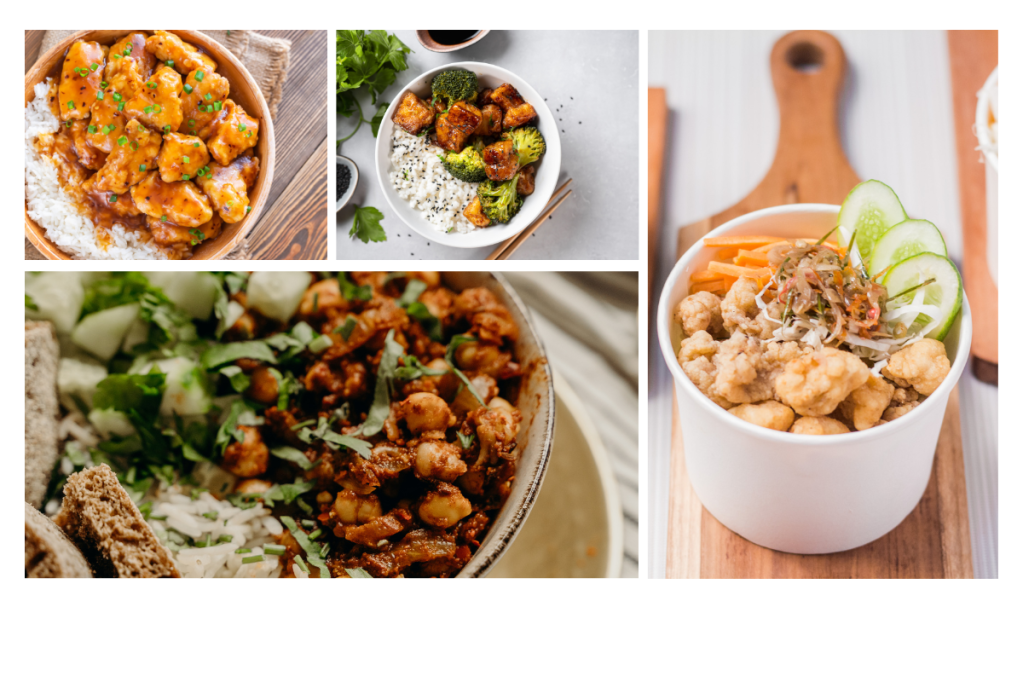
Rice bowls are a popular dish that originated in East Asia, particularly in China, Japan, and Korea. The dish typically consists of a bowl of cooked rice topped with various ingredients, such as vegetables, meat, seafood, and sauces.
The history of rice bowls can be traced back to ancient China, where rice has been a staple food for thousands of years. In the Han Dynasty (206 BCE – 220 CE), rice bowls were already a common meal among the people, and they were often eaten as a quick and convenient way to get nourishment while on the go.
In Japan, rice bowls are known as “donburi,” which means “bowl” in Japanese. The dish became popular in the late 19th century during the Meiji Restoration, when the Japanese government encouraged the consumption of rice to boost agricultural production. Today, there are many varieties of donburi in Japan, each with its unique ingredients and flavors.
In Korea, rice bowls are known as “bibimbap,” which means “mixed rice” in Korean. The dish is believed to have originated in the Joseon Dynasty (1392–1910) and was a popular way to use up leftover rice and vegetables. Today, bibimbap is one of Korea’s most famous dishes and is enjoyed by people all over the world.
Rice bowls have become an essential part of East Asian cuisine and are enjoyed by millions of people worldwide. In addition to their delicious taste, rice bowls are also considered a healthy and balanced meal, as they provide a good source of protein, fiber, and carbohydrates.
Moreover, rice bowls carry cultural significance as they represent the deep connection that East Asian cultures have with rice, which is regarded as a symbol of prosperity, longevity, and fertility. The dish is often associated with family and communal eating, where people come together to share a meal and enjoy each other’s company.
In conclusion, rice bowls are a delicious and nutritious dish that has a rich history and cultural significance in East Asia. Whether enjoyed in China, Japan, Korea, or elsewhere, rice bowls are a symbol of the region’s deep connection with rice and the communal nature of eating.
Rice bowls are a versatile dish that can be customized in countless ways to suit different tastes and dietary preferences. Here are some examples of different types of rice bowls from around the world and the variations in their ingredients and preparation methods:
Japanese Donburi: Donburi is a popular Japanese rice bowl that typically features a base of steamed white rice topped with various ingredients such as raw fish (sashimi), cooked fish (grilled or fried), egg, and vegetables. One of the most famous types of donburi is “gyudon,” which is made with thin slices of beef and onion simmered in a sweet soy sauce-based broth.
Korean Bibimbap: Bibimbap is a Korean rice bowl that is typically made with white rice topped with seasoned vegetables (carrots, bean sprouts, spinach, and mushrooms), beef or tofu, and a fried egg. The dish is served with a spicy sauce made from gochujang (fermented chili paste).
Mexican Burrito Bowl: A burrito bowl is a Mexican-inspired rice bowl that typically features a base of cilantro-lime rice topped with seasoned black beans, grilled chicken, beef or tofu, pico de gallo, avocado, and cheese. The dish is often served with sour cream and salsa.
Indian Biryani: Biryani is a fragrant Indian rice dish made with long-grain Basmati rice, spices, and meat or vegetables. The ingredients are cooked separately and then layered with the rice before being baked in the oven. The dish can be customized with different types of meat, such as chicken, lamb, or beef.
Hawaiian Poke Bowl: A poke bowl is a Hawaiian rice bowl that typically features a base of steamed white rice topped with raw fish (such as tuna or salmon), avocado, cucumber, seaweed, and a variety of sauces.
In conclusion, rice bowls are a versatile dish that can be customized with different types of rice, vegetables, meat, and sauces to suit different tastes and dietary preferences. From Japanese donburi to Mexican burrito bowls, there are countless variations of rice bowls from around the world, each with their unique ingredients and preparation methods.
Japanese rice bowls, also known as donburi, are a popular and convenient dish in Japanese cuisine. Here are some of the most popular types of Japanese rice bowls and the ingredients used in them:
Gyudon: Gyudon is a type of donburi that features thinly sliced beef and onions cooked in a savory-sweet sauce made with soy sauce, mirin, and sugar. The beef and onions are served over a bed of steamed white rice and topped with green onions and sometimes a raw egg.
Katsudon: Katsudon is a type of donburi that features a deep-fried pork cutlet (tonkatsu) and onions cooked in a sauce made with dashi (a Japanese broth), soy sauce, and mirin. The pork and onions are served over a bed of steamed white rice and topped with a beaten egg that is cooked until it is slightly runny.
Tendon: Tendon is a type of donburi that features tempura (deep-fried seafood or vegetables) served over a bed of steamed white rice and topped with a sauce made from dashi, soy sauce, and mirin. The tempura can include shrimp, squid, vegetables, or a combination of these ingredients.
Oyakodon: Oyakodon is a type of donburi that features chicken and egg cooked in a sauce made with dashi, soy sauce, and mirin. The chicken and egg are served over a bed of steamed white rice and topped with green onions.
Unadon: Unadon is a type of donburi that features grilled eel (unagi) served over a bed of steamed white rice and topped with a sauce made from soy sauce, mirin, and sugar. The dish is often garnished with chopped green onions and served with pickles and miso soup.
In conclusion, Japanese rice bowls are a delicious and convenient dish that can be customized with a variety of ingredients and sauces. From gyudon to unadon, each type of donburi has its unique flavor profile and ingredients that reflect the diversity of Japanese cuisine.
Korean rice bowls, also known as bibimbap, are a popular and nutritious dish in Korean cuisine. Here are some of the most traditional Korean rice bowls and the ingredients used in them:
Bibimbap: Bibimbap is a classic Korean rice bowl that features a bed of steamed white rice topped with seasoned vegetables such as carrots, spinach, bean sprouts, and mushrooms, along with sliced beef, tofu, or other protein. The dish is typically served with a fried egg on top and a spicy sauce made from gochujang (fermented chili paste), sesame oil, and vinegar.
Jeyuk bokkeum: Jeyuk bokkeum is a Korean rice bowl that features stir-fried pork with vegetables such as onions, carrots, and cabbage. The pork is marinated in a sauce made from gochujang, soy sauce, garlic, and sugar before being stir-fried and served over a bed of steamed white rice.
Galbi jjim: Galbi jjim is a Korean rice bowl that features braised beef short ribs in a sweet and savory sauce made with soy sauce, sugar, garlic, and sesame oil. The beef is slow-cooked until it is tender and falls off the bone, then served over a bed of steamed white rice.
Haemul pajeon: Haemul pajeon is a Korean rice bowl that features a savory pancake made with a batter of flour, eggs, and water, along with green onions and seafood such as squid, shrimp, or clams. The pancake is served over a bed of steamed white rice and topped with a soy dipping sauce.
Kimchi bokkeumbap: Kimchi bokkeumbap is a Korean rice bowl that features fried rice with kimchi, a spicy and sour fermented vegetable dish made from cabbage. The dish is often mixed with vegetables such as onions, carrots, and mushrooms, along with sliced beef or tofu.
In conclusion, Korean rice bowls are a flavorful and nutritious dish that can be customized with a variety of ingredients and sauces. From bibimbap to kimchi bokkeumbap, each type of rice bowl has its unique flavor profile and ingredients that reflect the diversity of Korean cuisine.
Chinese rice bowls, also known as fan (饭) or com (饭) in Mandarin, are a staple in Chinese cuisine. Here are some of the most popular Chinese rice bowls and the ingredients used in them:
Hainanese chicken rice: Hainanese chicken rice is a Chinese rice bowl that originated in Hainan Province, China. The dish features steamed or poached chicken served over a bed of fragrant rice that has been cooked in chicken broth, along with condiments such as sliced cucumbers, chili sauce, and ginger-garlic paste.
Yangzhou fried rice: Yangzhou fried rice is a popular Chinese rice bowl that features cooked rice stir-fried with a variety of ingredients such as diced ham, shrimp, peas, and scrambled eggs. The dish is seasoned with soy sauce, sesame oil, and sometimes oyster sauce, and can be garnished with green onions and cilantro.
Zhajiangmian: Zhajiangmian is a Chinese rice bowl that features wheat noodles topped with a sauce made from fermented soybeans (zhajiang), along with diced pork, cucumbers, and bean sprouts. The dish is often served with steamed white rice on the side.
Char siu rice: Char siu rice is a Chinese rice bowl that features slices of char siu, a sweet and savory roasted pork dish that has been marinated in a mixture of hoisin sauce, soy sauce, and sugar. The pork is served over a bed of steamed white rice and sometimes garnished with green onions or cilantro.
Jiaozi with rice: Jiaozi, also known as Chinese dumplings, are a popular Chinese dish that can be served with rice. The dumplings are filled with a variety of ingredients such as ground pork, shrimp, or vegetables, and can be boiled, pan-fried, or steamed. They are often served with a dipping sauce made from soy sauce, vinegar, and ginger.
In conclusion, Chinese rice bowls are a delicious and convenient dish that can be customized with a variety of ingredients and sauces. From Hainanese chicken rice to Yangzhou fried rice, each type of rice bowl has its unique flavor profile and ingredients that reflect the diversity of Chinese cuisine.
 Hey Singapore