
Materials, items, or goods are considered “oven safe” if they are not harmed by, or cause injury when exposed to, the high temperatures typically found inside of an oven. Oven-safe cookware is typically made from ceramics, glass, and certain metals, however this does not apply to all oven-safe objects.
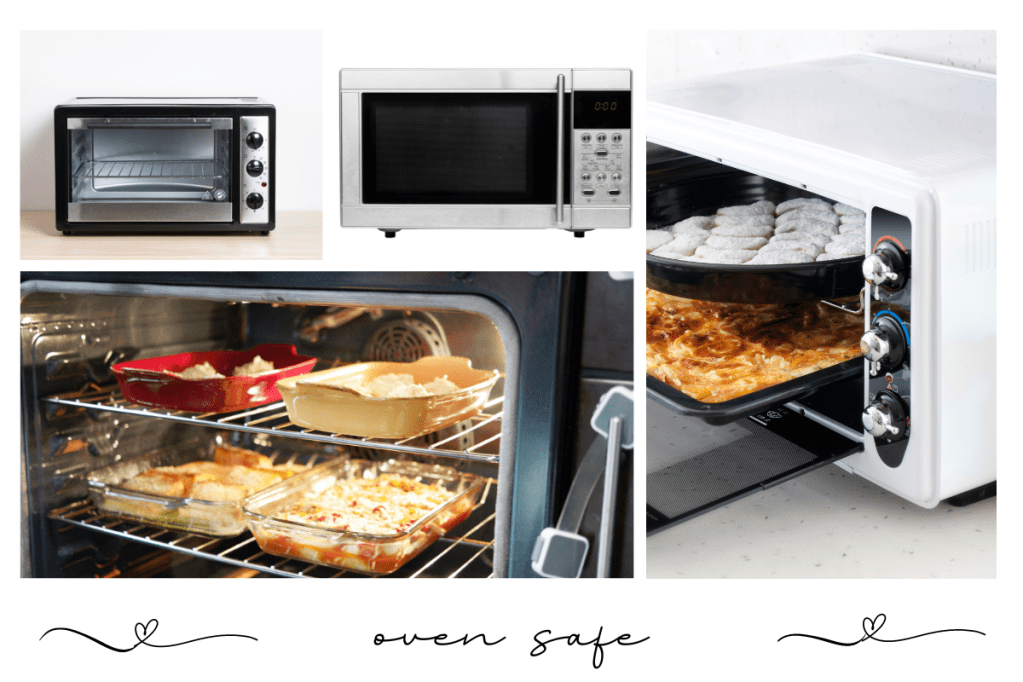
When it comes to baking and other oven-based preparations, having a collection of cookware that can withstand high temperatures is a huge plus. Oven-safe cookware allows for stovetop preparation and subsequent baking or broiling of a finished dish. This is especially helpful for meals that need to be seared before being baked, like roasted meats and casseroles.
To add to its usefulness, oven-safe cookware can be used for high-temperature cooking techniques like broiling without deteriorating. This is crucial for foods like broiled fish and roasted vegetables that need a higher temperature to properly cook or caramelize.
Make sure you read the instructions before using any oven-safe cookware. These may include instructions on how long to let the oven heat up for, what temperatures to use, and how to prevent thermal shock, which can cause cracking or other damage.
In general, oven-safe cookware makes it simple and quick to whip up a wide range of meals, as it can be used for a number of cooking techniques and can endure high temperatures without breaking. With the right amount of attention and use, oven-safe cookware can be a fantastic asset to any home kitchen. Ovens are a staple in today’s kitchens and have come a long way over the years, with newer models boasting features like the “oven-safe” setting. Due to the increased ease with which food may be prepared and reheated, this function is enjoying rising popularity.
Cookware with an oven-safe feature has been tested to ensure it can endure oven temperatures without breaking down or releasing chemicals that could be detrimental to human health. Oven-safe cookware, such as cast iron, stainless steel, and ceramic, may be heated to very high temperatures without melting or warping.
Oven-safe cookware allows us more options in the kitchen, which is one of its key advantages. The flexibility to use the same pan on both the stovetop and in the oven saves time and prevents messy transfers of food between dishes. For foods that call for a quick sear or brown on the cooktop before being finished in the oven, this feature is a godsend.
The ability to reheat meals in an oven is another another perk of using equipment that can go there. Foods can be reheated in oven-safe cookware without losing flavor or texture, eliminating the need to use a microwave or a separate dish. This is especially helpful for foods that improve in flavor after being reheated in the oven, such as pizza and casseroles.
Care must be taken when using oven-safe cookware to protect the oven, the user, and the cookware. Avoid using the cookware under a broiler or subjecting it to extreme temperature swings, as these are both against the manufacturer’s recommendations. In addition, when the cookware is hot, it must be handled carefully using oven mitts or potholders to prevent burns.
In conclusion, being safe to use in the oven is a terrific added bonus for cooks who want more options. Oven-safe cookware makes it simple to prepare and reheat foods without altering their flavor or texture. However, in order to prevent accidents and extend the life of the cookware and oven, it is essential to observe safety precautions when employing this feature. To be “oven safe,” a material must be able to resist the high temperatures and thermal shocks of baking, roasting, and broiling without melting or cracking. Oven-safe technology is grounded in the physical and chemical properties of materials and their sensitivity to heat transfer, as studied by the fields of material science and thermodynamics.
Many properties, including thermal conductivity, thermal expansion, and thermal shock resistance, determine whether or not a material is oven safe. The material’s thermal conductivity determines how well it transfers heat, which can prevent hotspots that lead to warping and cracking. The tendency of a material to expand or contract as a function of temperature change is known as thermal expansion, and it can lead to tension and deformation in the material. The term “thermal shock resistance” describes a material’s resistance to the damage that might be caused by rapid temperature fluctuations.
Materials including ceramic, glass, stainless steel, and even some plastics are often used for oven safe cookware. These components are made out of nonreactive materials that can endure high temperatures and thermal shocks. Stainless steel is long-lasting and won’t react with acidic foods, while ceramic and glass are excellent for use in the oven because to their great thermal shock resistance. The oven can be used safely with some plastics, such as silicone, although care must be taken to prevent overheating or burning.
The performance of oven-safe cookware can be affected not only by its material attributes, but also by its design and construction. Multilayered materials, for instance, can offer a sweet spot between durability, heat dispersion, and non-stick qualities, whereas thick and heavy materials may have greater thermal conductivity and heat retention.
In conclusion, the science behind what makes cookware “oven safe” is intricate and multifaceted, incorporating the physical and chemical qualities of materials as well as their design and construction. The material, the intended purpose, and the manufacturer’s instructions and suggestions for safe and efficient oven use are all factors to think about when selecting oven-friendly products. There has been a rise in the use of oven-safe cookware among both amateur and professional kitchen staff. This is due to the many advantages and flexibility in cooking methods provided by oven-safe equipment. Oven-safe cookware can be used for a wide variety of cooking methods, including the oven, broiler, and even the stovetop.
Oven-safe cookware can tolerate extreme heat without warping, shattering, or giving out dangerous chemicals, according to the technology behind it. The construction materials, such as stainless steel, ceramic, cast iron, and non-stick coatings, are responsible for this feature. The quality of the food being prepared will not be affected by the high temperatures reached in the oven, as these materials have been carefully chosen and tested for this purpose.
Further benefits can be had when using oven-safe cookware instead of those designed solely for use on the stovetop. One advantage is that it makes feasible a wider variety of methods of cooking, such as baking and roasting, than would be possible on a stovetop. Larger meals may be cooked in oven-safe cookware, making it a perfect option for households and hosts.
There are a few things to remember while shopping for cookware that can go in the oven. Selecting high-quality materials that can resist high temperatures is the first step in cooking successfully. Second, the cookware should be easy to handle and operate, therefore you should think about its size, shape, weight, and balance. Lastly, before using or caring for any piece of cookware, it is imperative that you read the manufacturer’s directions thoroughly.
In conclusion, cookware that can go from the stovetop to the oven is an invaluable asset to any kitchen, whether amateur or professional. Its resistance to high temperatures, multiple uses, and user-friendliness have made it a favorite among cooks of all experience levels. Anyone can become a better cook and make delicious, perfectly cooked meals every time by learning the science behind oven-safe equipment and selecting high-quality cookware.
 Hey Singapore