
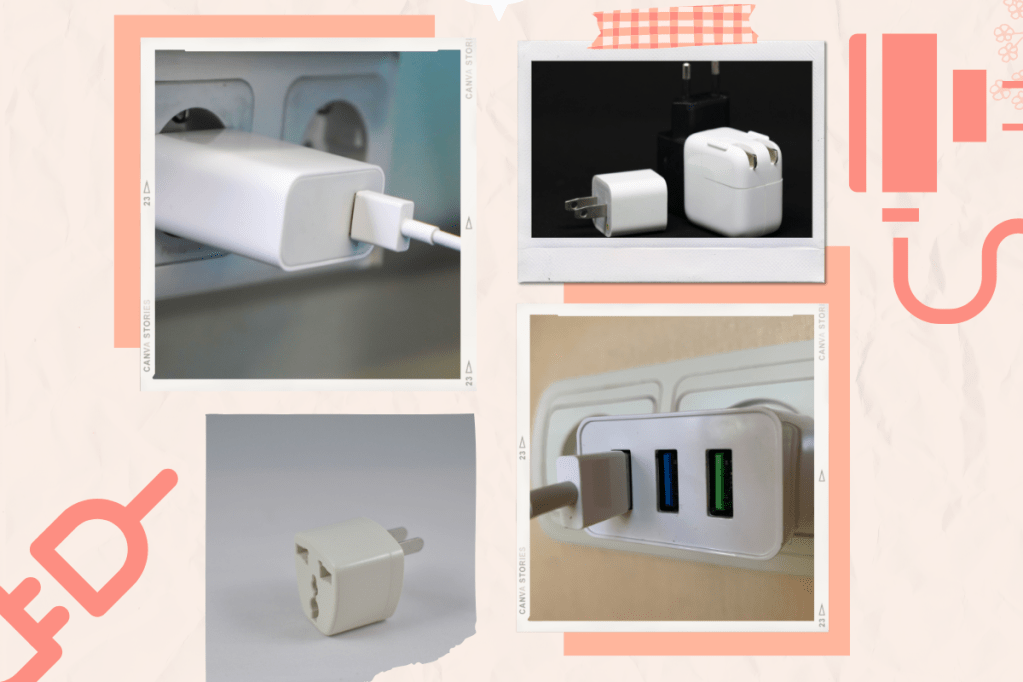
Multiway adaptors are devices designed to increase the number of electrical sockets available in a single outlet. These adaptors are commonly used in homes, offices, and public places to accommodate the increasing number of electrical devices that require charging or connection to a power source.
A multiway adaptor works by allowing several plugs to be inserted into a single socket. The device typically has a main plug that fits into a wall outlet, and multiple sockets on the other end where other electrical devices can be plugged in.
Using multiway adaptors is essential in situations where the number of electrical devices exceeds the number of available sockets. It eliminates the need for multiple extension cords and prevents overloading of electrical outlets. In addition, it can help to reduce the number of wires running across a room, improving the overall safety of the environment.
It is important to note that while multiway adaptors are convenient, they should be used with caution. Overloading a multiway adaptor can result in electrical hazards and pose a significant risk to people and property. As such, it is crucial to understand the types of multiway adaptors available, their safety considerations, and best practices for their use.
Types of Multiway Adaptors
Multiway adaptors are available in various types, each designed to suit specific purposes. Some of the most common types include:
Cube Multiway Adaptors – These are small and compact, usually with two or three sockets. They are easy to transport and ideal for use in small spaces.
Bar Multiway Adaptors – These come with multiple sockets arranged in a linear fashion and are available in various sizes, typically from four to eight sockets. They are versatile and commonly used in offices, home entertainment systems, and workshops.
Tower Multiway Adaptors – These are vertical with several sockets, and they have a slim design that makes them ideal for use in spaces with limited floor area.
Surge-Protected Multiway Adaptors – These are designed to protect electrical devices from power surges that can damage electronics. They come with built-in surge protection and are ideal for use with sensitive electronic devices.
Each type of multiway adaptor has its advantages and disadvantages. Cube adaptors are easy to use and transport but have limited socket capacity. Bar adaptors are versatile and provide more socket capacity but take up more space. Tower adaptors are sleek and provide the most socket capacity, but they can be challenging to fit into tight spaces. Surge-protected multiway adaptors offer protection against power surges, but they can be expensive.
When choosing a multiway adaptor, it is important to consider factors such as the number of sockets required, the type of devices to be connected, and the location where it will be used. Additionally, it is crucial to ensure that the adaptor has a suitable power rating and is compatible with the electrical devices to be used with it. multiway adaptors come in various types and offer convenience when there is a shortage of electrical outlets. When choosing a multiway adaptor, it is essential to consider the type of devices that will be connected to it, the location of use, and the power rating of the adaptor. By selecting the right multiway adaptor, users can ensure that their electrical devices are connected safely and conveniently.
Safety Considerations
While multiway adaptors are convenient, they can pose safety risks if not used correctly. Therefore, it is essential to be aware of common safety hazards associated with multiway adaptors and take steps to avoid them.
Common safety hazards associated with multiway adaptors include:
Overloading the Adaptor – Overloading the adaptor can lead to overheating and potentially cause a fire. It occurs when too many devices are plugged into the adaptor, and the combined wattage exceeds the adaptor’s capacity.
Damaged or Frayed Cords – Using multiway adaptors with damaged or frayed cords can cause electrical shorts, leading to a potential fire hazard.
Leaving Multiway Adaptors Plugged In – Leaving multiway adaptors plugged in when not in use can cause them to overheat and pose a fire risk.
Using in Damp or Wet Environments – Using multiway adaptors in damp or wet environments can cause electrocution and pose a safety hazard.
To avoid safety hazards when using multiway adaptors, consider the following tips:
Avoid overloading the adaptor by plugging in only devices that have been rated for the same voltage and wattage as the adaptor.
Regularly inspect the adaptor and cords for damage or fraying and replace them if necessary.
Always unplug multiway adaptors when not in use to prevent overheating.
Avoid using multiway adaptors in damp or wet environments.
Use surge-protected multiway adaptors to protect electrical devices from power surges that can damage electronics. safety should be a top priority when using multiway adaptors. By following safety guidelines and taking steps to avoid common safety hazards, users can ensure that their electrical devices are connected safely and conveniently. It is essential to understand the safety risks associated with multiway adaptors and take steps to prevent accidents.
Best Practices for Using Multiway Adaptors
Using multiway adaptors can be safe and convenient when used correctly. Here are some best practices to follow when using multiway adaptors:
Follow Manufacturer’s Instructions – Read and follow the manufacturer’s instructions carefully before using the adaptor. The instructions will provide information on how to use the adaptor safely and correctly.
Choose the Right Adaptor – Ensure that the adaptor is suitable for the intended use, and the devices to be connected are compatible with the adaptor.
Avoid Overloading the Adaptor – Overloading the adaptor can cause it to overheat and pose a potential fire hazard. To avoid overloading the adaptor, do not connect devices that exceed the adaptor’s wattage and amperage capacity.
Inspect the Adaptor Regularly – Regularly inspect the adaptor and cords for signs of wear and tear, such as fraying or exposed wires. Replace the adaptor if it is damaged or shows signs of wear and tear.
Use Surge-Protected Adaptors – Consider using surge-protected multiway adaptors to protect electronic devices from power surges that can damage electronics.
Unplug the Adaptor When Not in Use – Unplug the adaptor when not in use to prevent overheating and potential fire hazards.
Use GFCI Outlets – Use ground-fault circuit interrupter (GFCI) outlets for outdoor and damp locations to prevent electrocution.
Do Not Modify the Adaptor – Do not modify the adaptor in any way as this can cause electrical shorts or other safety hazards.
In conclusion, following best practices for using multiway adaptors can ensure that they are used safely and effectively. It is important to choose the right adaptor, avoid overloading, inspect regularly, and use surge-protected adaptors. Additionally, following the manufacturer’s instructions and unplugging the adaptor when not in use are crucial safety practices. By following these best practices, users can enjoy the convenience of multiway adaptors while ensuring safety.
Alternative Solutions to Multiway Adaptors
While multiway adaptors can be a convenient solution for powering multiple devices, there are alternative solutions that may be more appropriate for certain situations. Here are some alternative solutions to consider:
Power Strips – Power strips are similar to multiway adaptors but often include additional features such as surge protection and on/off switches for individual outlets. Power strips also tend to have a longer cord length than multiway adaptors, making them ideal for reaching distant outlets.
Extension Cords – Extension cords provide additional length to reach distant outlets, and some models include multiple outlets for powering multiple devices. However, like multiway adaptors, they can pose safety hazards if not used correctly.
Wall Taps – Wall taps plug directly into a wall outlet and provide additional outlets for powering multiple devices. However, they may not be suitable for devices that require a lot of power as they have a lower wattage capacity than multiway adaptors.
Dedicated Circuits – In situations where a high number of devices need to be powered, it may be appropriate to install dedicated circuits. Dedicated circuits provide a separate electrical circuit for specific devices, reducing the risk of overloading a single circuit.
When considering alternative solutions to multiway adaptors, there are several factors to consider, including the number and type of devices to be powered, the location of outlets, and safety concerns. Each solution has its advantages and disadvantages, so it is important to evaluate each option carefully.
In conclusion, while multiway adaptors can be a convenient solution for powering multiple devices, there are alternative solutions that may be more appropriate for certain situations. Power strips, extension cords, wall taps, and dedicated circuits are some of the alternatives to consider. It is important to evaluate each option based on the number and type of devices to be powered, location of outlets, and safety concerns.
 Hey Singapore