
Husk: The Natural Wonder with Endless Possibilities
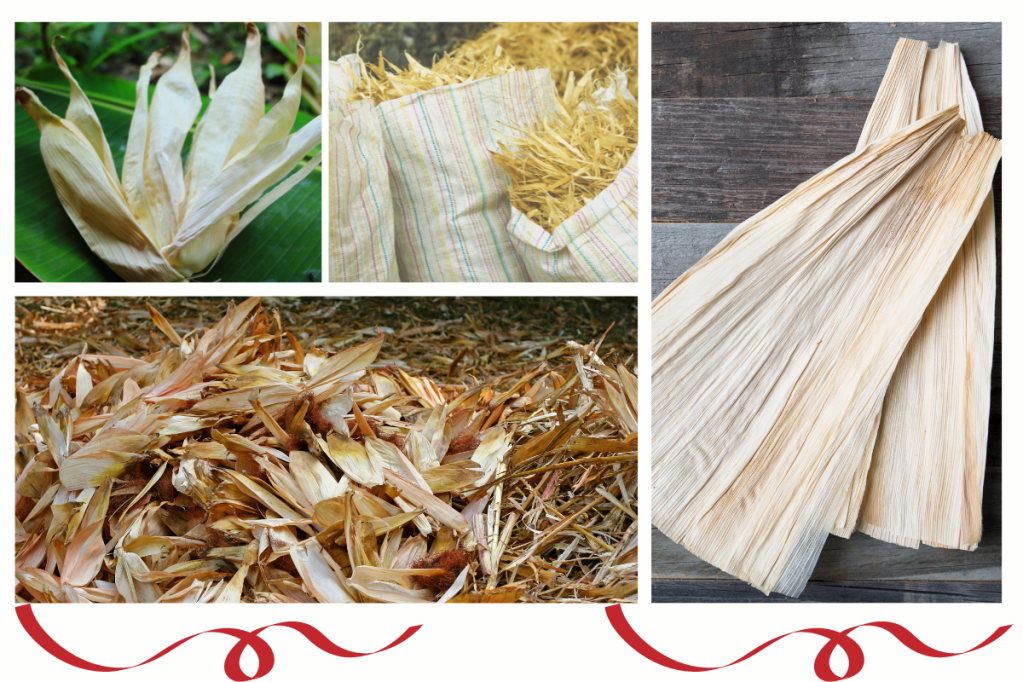
Husk, also known as outer shell or hull, is a protective layer that covers seeds, fruits, and grains. Despite being a byproduct of the food industry, husk is not just a waste material – it has various uses and benefits that make it a valuable natural resource.
In this article, we’ll delve deeper into the world of husk and explore its many uses and benefits. From animal feed and bedding to insulation and biofuels, husk has endless possibilities. We’ll also take a closer look at the environmental impact of using husk as a sustainable and eco-friendly alternative to conventional materials.
Whether you’re a farmer, a manufacturer, or simply interested in sustainable living, this article will give you a new perspective on the humble husk and its potential as a natural wonder.
Husk is a revolutionary new material that is changing the way we think about building and construction. From its use in furniture to its application in insulation, husk offers an incredible range of benefits that make it an ideal choice for any project. In this blog post, we’ll explore the many uses of husk and how you can make the most of this amazing material.
Introduction to Husk
Husk is a multi-purpose material found in many fruits and vegetables. It is the protective outer layer of many grains, fruits and vegetables, such as rice, corn, nuts, and legumes. Rice husk is the hard protective covering of rice grains which are separated from the grains during milling process. Rice hulls (or rice husks) are also the hard protecting coverings of grains of rice. In addition to protecting rice during the growing season, rice hulls can be used in various manufacturing processes and food preparations. Rice husk ash is also used in concrete production as a replacement for cement. The potential uses of husk are numerous and beneficial.
What is Husk?
Husk is the outer covering of a seed or a fruit. It is usually dry, thin and made up of leafy or stringy material. Husk is often removed before eating the fruit or seed, as it can be difficult to digest. In the United States, husk often refers to the leafy outer covering of an ear of corn. The husk of grains like wheat and rice are removed before milling and preparing the food for consumption. Husk can also be used in manufacturing, such as for insulation and packing materials. By separating the husk from the grain, it provides many benefits including reducing dust, increasing shelf-life, improving convenience and nutrition.
Uses of Husk
Husk has numerous uses in the world today. It is used to generate steam in rice mills, strengthen building materials, and as a combustible material for energy recovery. Husk can also be used as livestock feed and to produce charcoal for agricultural use. Its high silica content makes it an effective option for improving soil fertility. Furthermore, studies have shown that the use of husk as a litter in poultry farming can help improve live weight gain, food consumption, food conversion ratio, liveability and production number.
Husk, the outer layer that surrounds seeds, fruits, and grains, is commonly regarded as waste material. However, it has a wide range of uses and benefits that make it a valuable resource. Let’s take a closer look at some of the most common uses of husk.
Animal Feed and Bedding
One of the most common uses of husk is as animal feed and bedding. Husk is rich in nutrients, making it an ideal food source for livestock. Additionally, husk is highly absorbent and provides a comfortable and clean bedding material for animals.
Insulation
Husk can be used as insulation material due to its natural insulation properties. It can keep buildings cool during hot weather and warm during cold weather. Husk insulation is also eco-friendly as it is made from natural materials.
Biofuels
Husk can be converted into biofuels such as biogas, bioethanol, and bio-oil. These biofuels are renewable and eco-friendly alternatives to fossil fuels. The process of converting husk into biofuels also reduces waste and carbon emissions.
Fertilizer
Husk can be used as a natural fertilizer due to its high nutrient content. It is rich in potassium, phosphorus, and nitrogen, which are essential nutrients for plant growth. Using husk as a fertilizer is also an eco-friendly alternative to chemical fertilizers.
Building Materials
Husk can be used to make building materials such as particle boards, fiberboards, and insulation panels. These materials are eco-friendly, lightweight, and have excellent insulation properties.
Cooking Fuel
Husk can also be used as a cooking fuel. In some countries, husk is burned to produce heat for cooking or to power stoves and ovens. Using husk as a cooking fuel is an eco-friendly alternative to fossil fuels.
Types of Husk
There are several types of husk that have different uses and benefits. Unprocessed fibres are naturally fibrous materials, such as jute, which is subject to minimal processing before use. The most common type of husk encountered by players is the standard husk. This type of husk is often used for leafy outer coverings, such as in the United States. Rice husk is another type of husk that can be used for solid fuel, carbonized rice husk after burning, and other products from its remaining content. C-Lium Fibre is made of 100% psyllium fiber husk, which comes from the seeds of the Plantago ovata plant originating in India, Bangladesh and Pakistan. Lastly, Rice Husk Fired Boilers are Internal Furnace Top Feed Husk Fired Boilers with automatic fuel feeding from the top of the Internal Furnace. All these types of husks have different uses and benefits, making them versatile and useful for many applications.
Husk in Fruits and Seeds
Husk is a protective outer covering of a seed, fruit, or vegetable. In fruits and seeds, husk can be a dry or rough outer layer or coating, especially when empty of contents. Examples include the dry outer covering of walnuts or an ear of corn. The seed husk of Plantago ovate is rich in water-soluble fiber known as psyllium hydrocolloid or psyllium seed gum. Jatropha (Jatropha curcas) fruits also have a husk. The husk helps protect the seed and maintain dormancy until the optimal conditions for germination arrive. It also provides protection from insect pests and plays an important role in dispersal of the seeds. Husks are an important part of food preparation in many cultures, such as grinding grains and vegetables for meal. They are also used in manufacturing products like paper and insulation material.
Husk in Grains and Vegetables
Grains and vegetables are common staples in many diets, and they often contain husk. Rice husks, for example, are the protective outer covering of grains of rice. In addition to protecting the grain during the growing season, rice hulls can be used for a variety of purposes, such as animal feed and fuel. Other grains, such as wheat, barley and oats, also have husks that can be used in food preparation or for manufacturing purposes. Vegetables also have husks, such as the outer covering of corn kernels, which is known as corn silk. The husks of vegetables can also be used in food preparation or to make products like brooms and brushes. By using husk in grains and vegetables in this way, we can get the most out of these food sources while reducing waste.
Husk in Food Preparation
Husk is often used in food preparation, as it adds a slightly woody flavor to the broth and can deepen the flavor by roasting or grilling the cobs and/or husks first. Carboxymethyl cellulose was prepared from corn husks cellulose according to Scheme 1. Psyllium husks, which constitute the fibrous part of the Plantago ovata plant seed, are also a dietary fiber and a component of gluten-free foods. To include cocoa husk waste products or extracts in different food products, various functional foods such as bakery products, jam, chocolate, beverage, and other foods can be prepared with them. Psyllium used in cooked foods needs to be mixed with enough fluid so that the husk can absorb and bulk up, reducing the risk of constipation. Finally, rice hulls can be used in food preparations and act as a natural preservative due to their lignocellulosic nature.
Husk in Manufacturing
Rice husk is an ideal material for manufacturing due to its high silica content and its availability as a by-product of rice milling. This makes it an attractive substitute for synthetic materials, allowing manufacturers to reduce their environmental impact. Rice husk can be processed into a variety of products such as composite materials, fiberboard and synthetic resin powder. It can also be used as a fuel source or additive in 3D printing. The use of rice husk in manufacturing processes is growing in popularity due to its abundance, renewability, and environmental benefits.
Benefits of Husk
Husk has many potential health benefits. For example, psyllium husk is a soluble fiber that can support digestive health and reduce constipation. It may also help lower cholesterol and promote fullness. Additionally, husk may be beneficial for controlling blood glucose levels. Rich in soluble fiber, it can also be used in food preparation to thicken sauces and soups, and in manufacturing to create various products such as paper or insulation materials for homes. Husk has a wide range of uses, and its potential health benefits should not be overlooked.
Conclusion
In conclusion, husk is a valuable component of many fruits, grains, and vegetables and has a wide range of applications. It can be utilized for manufacturing, growing plants, and even preparing food. Ash from rice husks is an excellent source of silica and is used to make concrete more workable. Steel fibers can also be added to rice husk to increase its wear characteristics. Husk is a material that is quite adaptable and may be used for a variety of things.
 Hey Singapore