
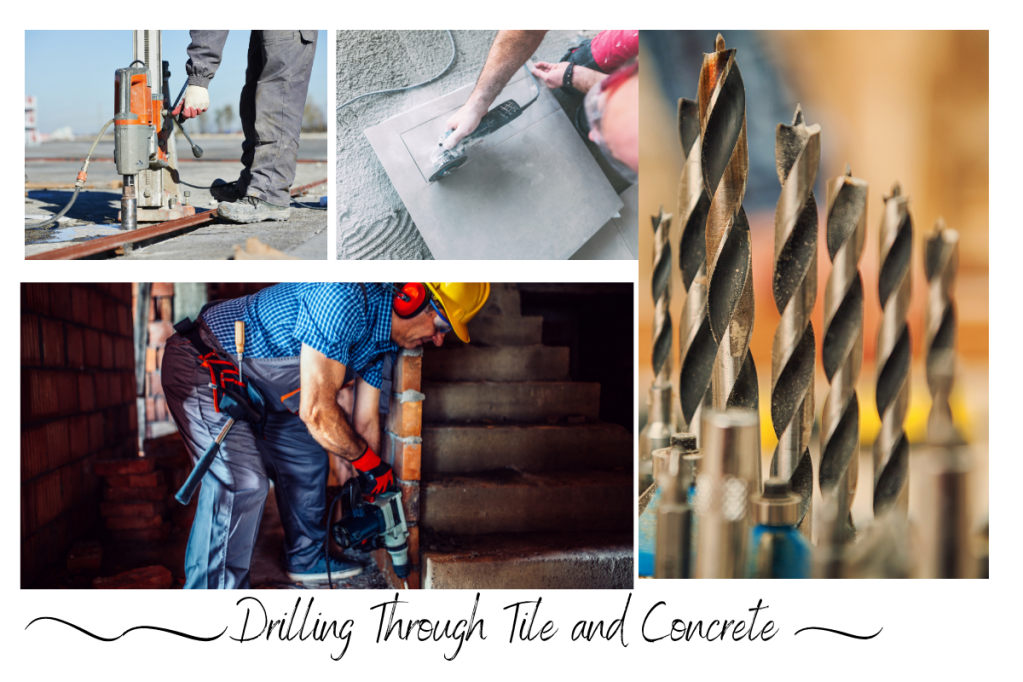
In the realm of home renovation or DIY projects, drilling through tile and concrete is an indispensable necessity. Whether you’re mounting a TV, installing new bathroom fixtures, or hanging shelves, drilling through these formidable materials is a vital component of the process. However, such drilling tasks can pose some arduous challenges, requiring specialized tools and techniques.
Tile and concrete are two of the most obdurate materials to drill through, primarily due to their intractable hardness and density. Drilling through concrete, for instance, can be particularly demanding because of its composition of various materials, including cement, sand, and gravel, which can readily dull drill bits. Conversely, tile can be exceedingly intricate to work with because it’s fragile and prone to crack or shatter. Therefore, it’s imperative to deploy appropriate tools and techniques when drilling through these materials to prevent damage.
Moreover, drilling through tile and concrete necessitates the utilization of specialized equipment and protective gear. For instance, conventional drills may prove ineffectual when drilling through tile and concrete, and a hammer or rotary drill is often necessary. Furthermore, it’s essential to wear protective gear, such as eye goggles and masks, to counteract the hazardous dust and debris produced while drilling through these materials.
This article will provide you with a comprehensive overview of the tools and techniques required for drilling through tile and concrete. We’ll discuss the necessary tools and materials, including drill bits suitable for tile and concrete, protective gear, anchors, and screws. We’ll also delve into the critical aspects of preparation required before drilling, such as marking the drilling spot, cleaning the surface, protecting adjacent tiles, and setting the drill depth. Additionally, we’ll outline the optimal techniques for drilling through tile and concrete, expert tips for reducing the risk of cracking or damaging the materials, and the procedures for installation. By the end of this discourse, you’ll have a lucid comprehension of how to drill through tile and concrete safely and efficiently.
Tools and Materials
When it comes to drilling through tile and concrete, having the right tools and materials is crucial to achieving a successful outcome. In this article, we’ll provide an overview of the tools and materials needed for drilling through tile and concrete.
Drill Bits Suitable for Tile and Concrete
- The drill bit is the most important tool when it comes to drilling through tile and concrete. It’s essential to use the correct type of drill bit for the job to avoid damaging the materials or the drill. For concrete, a carbide-tipped drill bit is the most suitable as it’s durable and can handle the hardness of the material. For tile, a diamond-tipped drill bit is recommended as it can cut through the hard material without cracking it. It’s important to note that tile drill bits come in different sizes, and it’s crucial to use the correct size for the job to avoid damaging the tile.
Hammer Drill or Rotary Drill
- When drilling through concrete, a hammer drill or rotary drill is recommended as they provide more power and speed than a regular drill. A hammer drill has a hammering motion that allows it to break through tough surfaces, while a rotary drill spins the drill bit at a high speed. Both types of drills have their advantages, and the choice depends on the job at hand and personal preference
.
Protective Gear
- Protective gear is essential when drilling through tile and concrete, as it can produce dust and debris that can be harmful if inhaled. Eye goggles, masks, and gloves are essential when drilling through these materials. It’s also recommended to wear earplugs as drilling through concrete can be loud and damaging to the ears.
Anchors and Screws
- After drilling through tile and concrete, anchors and screws are required to secure items in place. Plastic anchors are suitable for tiles, while metal anchors are recommended for concrete. It’s important to choose the right size and type of anchor
and screw for the job.
Having the right tools and materials is crucial for drilling through tile and concrete safely and efficiently. Carbide-tipped drill bits, diamond-tipped drill bits, hammer drills or rotary drills, protective gear, and appropriate anchors and screws are necessary for a successful outcome. It’s also essential to use these tools and materials correctly and follow safety precautions to avoid any accidents or damage to the materials. With the right tools and materials, drilling through tile and concrete can be a straightforward and stress-free task.
Before drilling through tile and concrete, it’s essential to prepare the surface and the tools to ensure a successful outcome. In this article, we’ll provide an overview of the preparation needed for drilling through tile and concrete.
Mark the Drilling Spot
- The first step in preparing to drill through tile and concrete is to mark the drilling spot accurately. Use a pencil or marker to mark the spot where you want to drill. It’s crucial to be precise when marking the spot as it can affect the accuracy of the drilling.
Clean the Surface
- After marking the drilling spot, it’s essential to clean the surface to remove any dirt, debris, or grease. Cleaning the surface ensures that the drill bit can grip the surface and reduces the risk of the drill slipping or damaging the surface. Use a damp cloth or sponge to wipe the surface clean and let it dry completely.
Protect Surrounding Tiles
- When drilling through tiles, it’s essential to protect the surrounding tiles from damage. Use painter’s tape or masking tape to cover the surrounding tiles. The tape protects the tiles from the drill and ensures that the drilling spot is visible.
Set the Drill Depth
- Setting the drill depth is crucial when drilling through tile and concrete. It ensures that the drill bit doesn’t go too deep and damage the surface underneath. Use a depth stopper or tape to mark the drill bit’s depth and avoid going too deep.
Choose the Right Drill Bit
- As mentioned in the previous article, using the right drill bit is crucial when drilling through tile and concrete. Choose the correct size and type of drill bit for the job to avoid damaging the materials or the drill.
Use Water as a Lubricant
- When drilling through tile, it’s recommended to use water as a lubricant. Water helps to cool the drill bit and reduces the risk of cracking the tile. Use a spray bottle or a sponge to apply water to the drilling spot as you drill.
preparation is key when it comes to drilling through tile and concrete. Marking the drilling spot, cleaning the surface, protecting the surrounding tiles, setting the drill depth, choosing the right drill bit, and using water as a lubricant are all essential steps in the preparation process. Following these steps ensures a successful outcome and reduces the risk of damaging the materials or the drill. By preparing correctly, drilling through tile and concrete can be a straightforward and stress-free task.
Drilling through tile and concrete can seem like a daunting task, but with the right tools, preparation, and technique, it can be a straightforward and stress-free process. In this article, we’ll provide an overview of the drilling process for tile and concrete.
Start Slowly
- When drilling through tile and concrete, it’s essential to start slowly and apply light pressure. This technique allows the drill bit to create a groove and helps to prevent it from slipping or wandering off course. It’s crucial to maintain a steady hand and apply even pressure to avoid damaging the surface.
Use a Gentle Angle
- Using a gentle angle when drilling through tile and concrete can help to reduce the risk of cracking or chipping the surface. It’s recommended to hold the drill at a 45-degree angle and gradually increase the angle as you drill.
Let the Drill Do the Work
- It’s important to let the drill do the work when drilling through tile and concrete. Avoid applying too much pressure or force, as this can damage the drill bit or the materials. Instead, let the drill bit do the cutting and apply even pressure to guide it through the surface.
Keep the Drill Bit Cool
- Keeping the drill bit cool is essential when drilling through tile and concrete. Heat can damage the drill bit and the materials, so it’s recommended to use water as a lubricant to cool the drill bit. Apply water to the drilling spot as you drill to keep the drill bit cool and prevent it from overheating.
Clean the Drill Bit
- After drilling through tile and concrete, it’s essential to clean the drill bit thoroughly. Use a damp cloth or sponge to wipe away any debris or residue and let it dry completely. Cleaning the drill bit ensures that it’s ready for the next use and prolongs its lifespan.
drilling through tile and concrete requires patience, technique, and the right tools. Starting slowly, using a gentle angle, letting the drill do the work, keeping the drill bit cool, and cleaning the drill bit are all essential steps in the drilling process. With the right tools, preparation, and technique, drilling through tile and concrete can be a straightforward and stress-free process.
In conclusion, the endeavor of drilling through tile and concrete may seem to be a daunting task at first glance, but with meticulous preparation and refined technique, it can be accomplished in a smooth and seamless manner. Allow us to recapitulate the salient points addressed in this discourse:
Prudent preparation is the cornerstone when embarking on the drilling process of tile and concrete. The initial step entails the marking of the drilling spot, subsequent cleaning of the surface, safeguarding the adjacent tiles, ascertaining the drill depth, selecting the fitting drill bit, and utilizing water as a lubricant.
When commencing the drilling process, it is crucial to proceed cautiously, deploying a subtle angle, permitting the drill to do the cutting, keeping the drill bit cool, and performing an extensive cleansing of the drill bit after usage.
It is mandatory to adhere to safety protocols while drilling through tile and concrete. Protective eyewear is indispensable to avert debris from penetrating the eyes, and ear protection is imperative to minimize the noise level. A stable platform should be employed to prevent the risk of slipping or stumbling while conducting the drilling process.
It is expedient to take intermittent breaks and maintain adequate hydration levels. It is also advisable to keep a first aid kit within reach in the event of any mishaps or injuries.
In summation, drilling through tile and concrete necessitates a judicious approach, finesse in technique, and the appropriate tools. By meticulously preparing, implementing the correct approach, and prioritizing safety, the task can be executed proficiently and safely.
 Hey Singapore