
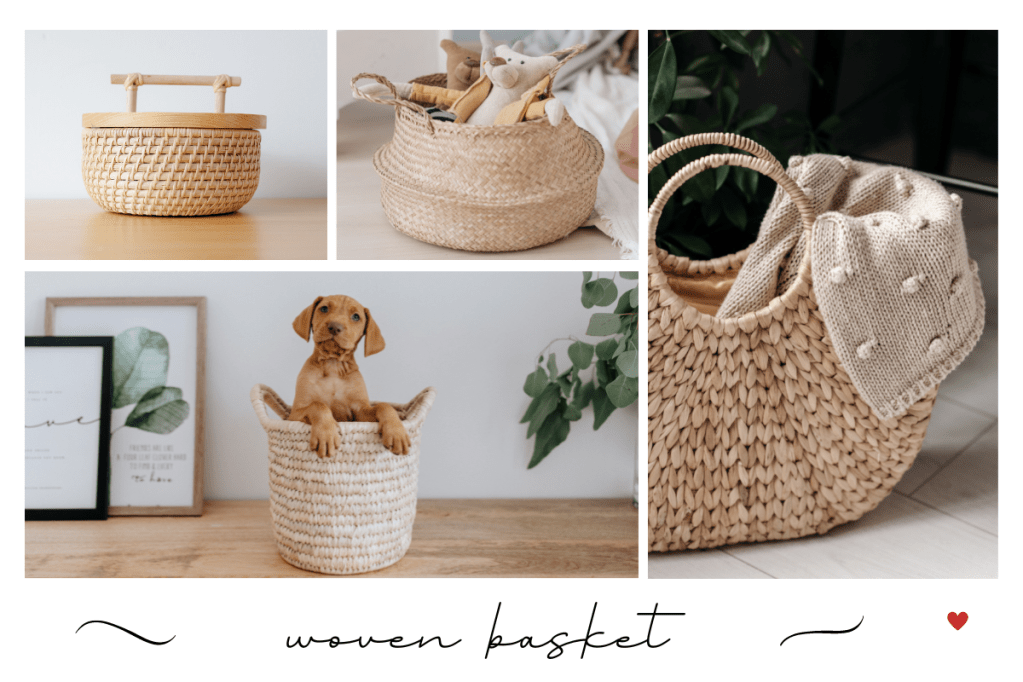
Woven baskets have been a ubiquitous feature in human civilization since the dawn of time. They have been a vital tool in the everyday lives of people across the globe, serving an array of purposes such as storage, transport, and display. Their creation involves intricate weaving techniques using natural materials such as grasses, reeds, and bark, which have been passed down from one generation to the next, reflecting the cultural and traditional significance of these objects.
Despite their historical and cultural significance, woven baskets have also found a place in contemporary design and art. Their durability, versatility, and aesthetic appeal make them an ideal medium for modern designers and artists to create stunning works of art. From sculptural installations to functional home décor, the creative possibilities of woven baskets are endless.
It is fascinating to consider the range of cultural and historical contexts in which woven baskets have played a significant role. For instance, they have been employed in various religious ceremonies, as well as in the creation of everyday household items. The diversity of their uses, alongside the techniques and materials employed in their creation, provide a window into the rich cultural and historical legacy of basket weaving.
Moreover, the use of woven baskets in contemporary design and art is a testament to their enduring charm and adaptability. Designers and artists alike have recognized the value of incorporating traditional techniques and materials into their work, infusing it with a sense of timelessness and cultural significance. As a result, woven baskets have become an exciting medium for contemporary artists and designers to explore and experiment with.
In conclusion, woven baskets continue to hold a special place in human history and culture, and their relevance in contemporary design and art cannot be overstated. They are a testament to the ingenuity and resourcefulness of our ancestors, and their timeless aesthetic appeal and functional qualities have ensured their enduring legacy. Whether used for practical purposes or as works of art, woven baskets are an essential element of the human experience.
History of Woven Basket
Woven baskets have graced the annals of human history since the dawn of civilization. Archaeological findings indicate that these objects, which were first discovered in Egypt over 10,000 years ago, were utilized for an array of purposes such as storing food, harvesting crops, and transporting goods. As time progressed, so did the use and design of woven baskets. In ancient Greece and Rome, they were often employed for carrying wine and oil, whereas in Asia, they were utilized for fishing and storing rice. Woven baskets also played a vital role in Native American cultures, serving as vessels for storage, transportation, and even as musical instruments.
The Middle Ages saw woven baskets rise to increased importance in trade and commerce. They were instrumental in transporting goods such as textiles, food, and spices, and were often embellished with intricate patterns and designs.
In the 19th century, the popularity of woven baskets surged as they became a symbol of the Arts and Crafts movement. This movement championed the importance of handmade items and traditional craftsmanship over mass-produced factory-made goods.
Currently, woven baskets continue to play an integral role in many cultures worldwide. They are deployed for a variety of purposes, including home decor, storage, and even as fashion accessories. Although the materials and techniques employed in crafting woven baskets have evolved over time, the art of weaving remains a significant aspect of human history and cultural heritage.
In conclusion, the history of woven baskets is a captivating and fascinating one that spans numerous centuries and diverse cultures. From their humble beginnings as functional receptacles for storage and transportation, woven baskets have evolved into masterpieces that are celebrated for their beauty, versatility, and cultural significance.
Types of Woven Basket
Woven baskets, an object of unyielding ubiquity, have withstood the test of time and have been fashioned in numerous forms throughout human history. They have been employed as vessels for storage, transportation, and ornamental purposes, utilizing materials that range from grasses and reeds to animal hair and bark. Below are some of the most prevalent types of woven baskets:
Storage Baskets: These baskets, a quintessential archetype of the woven basket, are designated for storing an extensive array of items, such as food, clothing, and tools. Available in various sizes, ranging from petite baskets used for holding spices to large baskets used for carrying harvests.
Decorative Baskets: Unlike storage baskets, decorative baskets are not used for storage but are intended to be aesthetically pleasing. They often feature intricate designs and are crafted from materials such as feathers, shells, and beads.
Market Baskets: Market baskets are typically larger than storage baskets and are utilized for transporting items to and from the market. They are usually woven using sturdy materials and feature a handle for easy transport.
Picnic Baskets: These baskets are specially designed for outdoor dining and often come with an assortment of accessories, such as plates, glasses, and cutlery. They are frequently crafted from resilient materials and feature a lid to safeguard the food and beverages.
Flower Baskets: These baskets serve the purpose of holding flowers and are usually made from woven wire or metal. They can be affixed to walls or placed on tables and are a popular choice for enhancing events such as weddings and parties.
Fishing Baskets: A favorite of fishermen, these baskets are used to contain their catch. They are often made from lightweight materials and feature a robust handle for easy transport.
In conclusion, woven baskets are available in various shapes and sizes, serving diverse objectives. Whether they are used for storage, decoration, or transportation, they have an intrinsic significance in numerous cultures worldwide and have been skillfully crafted using traditional techniques for centuries. Gaining knowledge of the various types of woven baskets and their purposes offers an insight into the richness and diversity of this timeless item.
How to choose the right Wooden Basket
Woven baskets, the paragon of versatility, have a long-standing history of utility and have been fashioned in a variety of forms for centuries. Their application extends from functional storage to ornamental aesthetics, with construction materials ranging from reeds and grasses to animal hair and bark. Below are some key points to consider when selecting the ideal woven basket.
Purpose: The purpose of the basket is paramount in choosing the right one. For storing items, opt for a basket with sturdy construction and a lid to ensure safekeeping. Decorative baskets should have unique designs and shapes that harmonize with the surrounding decor. If it’s for transportation, select a basket with a robust and comfortable handle.
Size: The size of the basket should align with the intended usage. Consider the items that the basket will contain and choose accordingly. If it’s for carrying produce from the market, select a large basket with a firm handle. For storage, choose a spacious basket that can accommodate the intended items.
Material: Woven baskets are available in an assortment of materials, including reeds, grasses, bark, and even metal wires, each with unique properties such as durability and pliability. Consider the intended purpose and the material best suited for the job.
Style: Woven baskets come in a diverse range of styles, from traditional to modern. Select a style that not only suits your preference but also complements the decor of the intended space. For instance, traditional baskets may harmonize with rustic interiors, while modern baskets may work better in contemporary settings.
Price: The cost of the basket should also be factored in. The price of woven baskets varies based on the material, size, and design. Choose a basket that fits your budget while offering value for your money.
In summary, selecting the ideal woven basket necessitates careful consideration of its intended purpose, size, material, style, and price. By keeping these factors in mind, you can select a basket that not only serves its purpose but also elevates the aesthetic appeal of your home or workspace.
Materials of Wooden Basket
Woven baskets, the embodiment of versatility and functionality, have been crafted for centuries from a wide array of natural materials. From the robust grasses and reeds to the supple bark and hair of animals, basket weavers have transformed these materials into masterpieces. Let’s delve into some of the distinctive materials used in weaving baskets.
Grasses: Grasses are the quintessential material used in weaving baskets due to their abundance, pliability, and rustic appeal. The straw, bamboo, and rattan are some of the grasses that are commonly utilized in basket weaving.
Reeds: Reeds are lengthy, slender, and highly adaptable materials that are frequently woven into baskets. Their ability to be split or twisted enables intricate patterns and designs to be achieved. Additionally, their resilience makes them ideal for outdoor baskets that can withstand exposure to the elements.
Bark: Bark is a versatile material used in basket weaving, primarily in traditional cultures. Cedar and willow barks are typically harvested, soaked, and made pliable before weaving. Bark baskets are renowned for their feather-light weight and rustic, earthy aesthetics.
Animal hair: For centuries, animal hair, such as horsehair or buffalo hair, has been utilized in basket weaving. The hair is purified, dyed, and then woven into elaborate designs. Animal hair baskets are renowned for their durability and remarkable beauty.
Metal wires: Although not a natural material, metal wires are increasingly being incorporated into basket weaving. Their robustness and flexibility make them ideal for crafting intricate and avant-garde designs.
Fabric: Fabrics, although not commonly used in basket weaving, have been employed to create an assortment of textures and colors in basket designs. The fabric is typically sliced into thin strips and woven into the basket, producing a soft, pliable, and colorful basket.
In summary, woven baskets are crafted from an eclectic range of natural materials that are highly versatile, each with its unique attributes and aesthetic appeal. The choice of materials used in crafting a basket is determined by the intended purpose, design, and desired aesthetics, and selecting the right material can make all the difference in creating a unique and functional woven basket.
 Hey Singapore